Squash Court Flooring Installation: A Comprehensive Guide
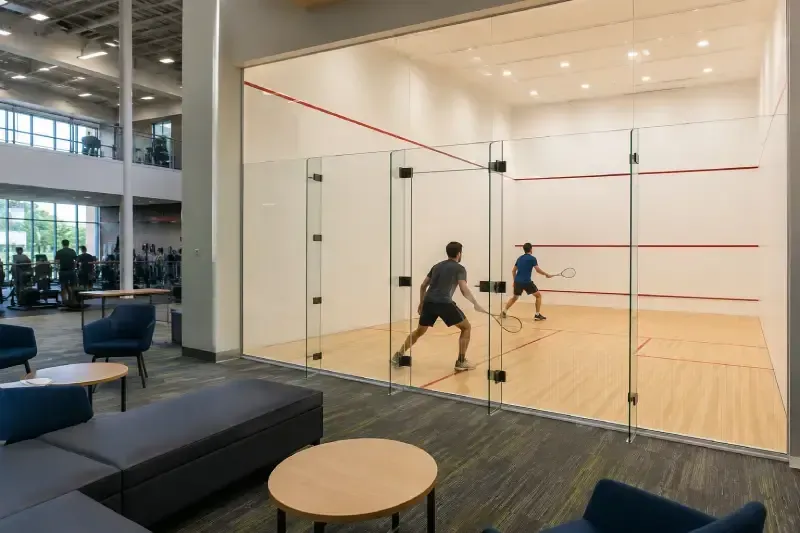
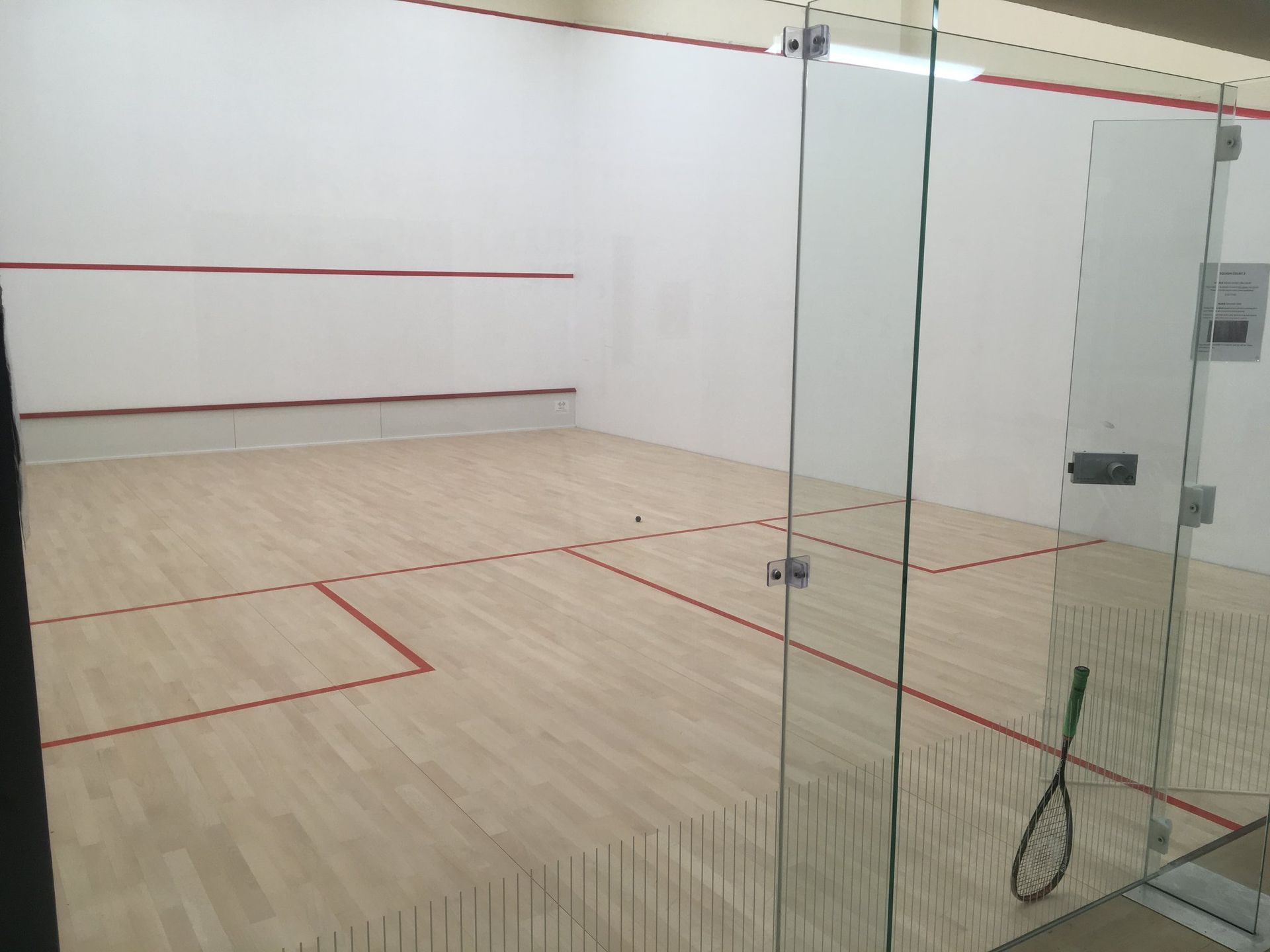
When it comes to building or renovating a squash court, the flooring is one of the most important decisions you'll make. Not only does it impact performance, but it also plays a key role in player safety and court longevity. In this comprehensive guide, we’ll break down everything you need to know about squash court flooring—from materials and installation to maintenance and cost.
Whether you're a sports facility manager, school administrator, or a private court owner, this guide will help you choose the best flooring for squash courts that meets your specific needs.
What Makes Squash Court Flooring Unique?
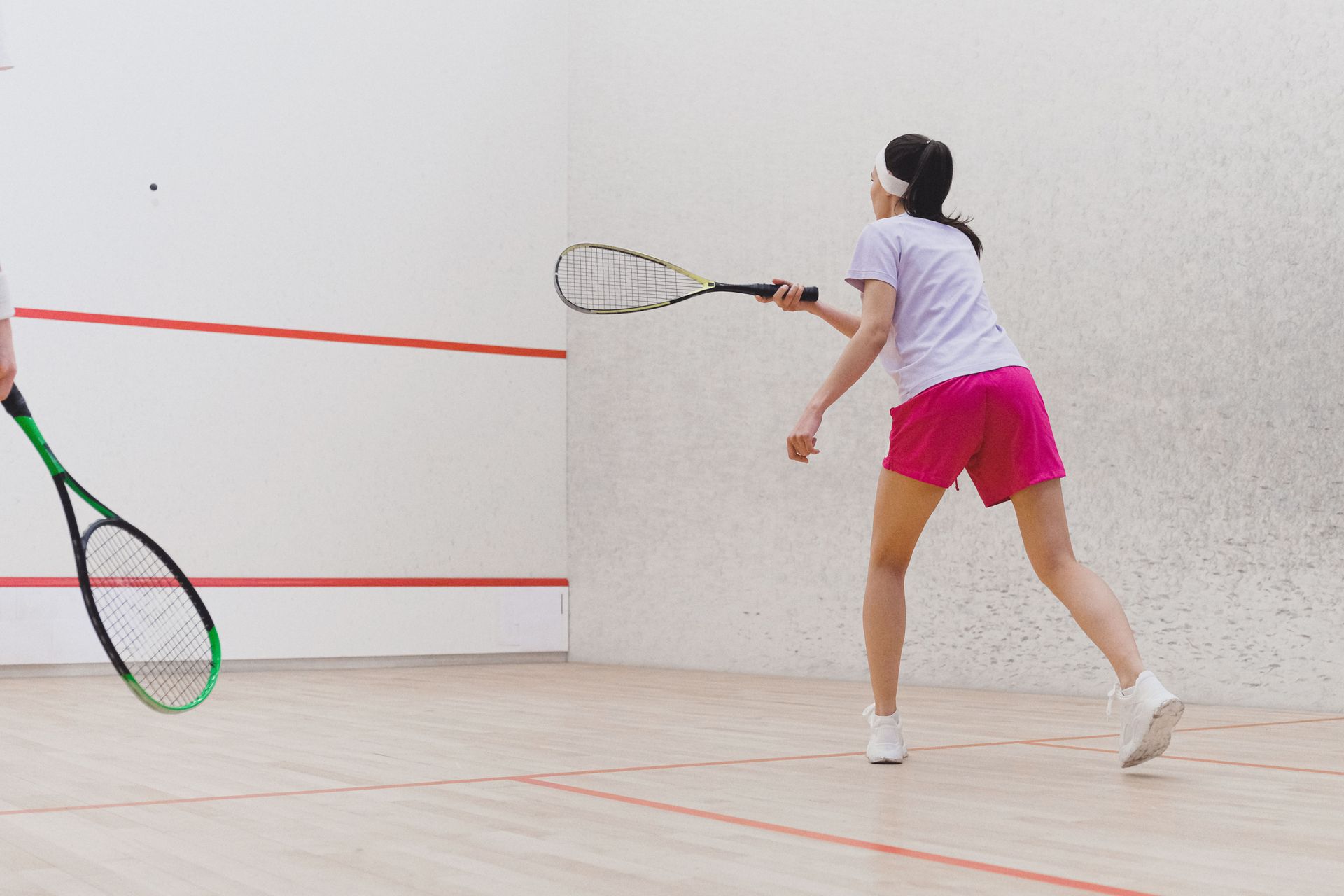
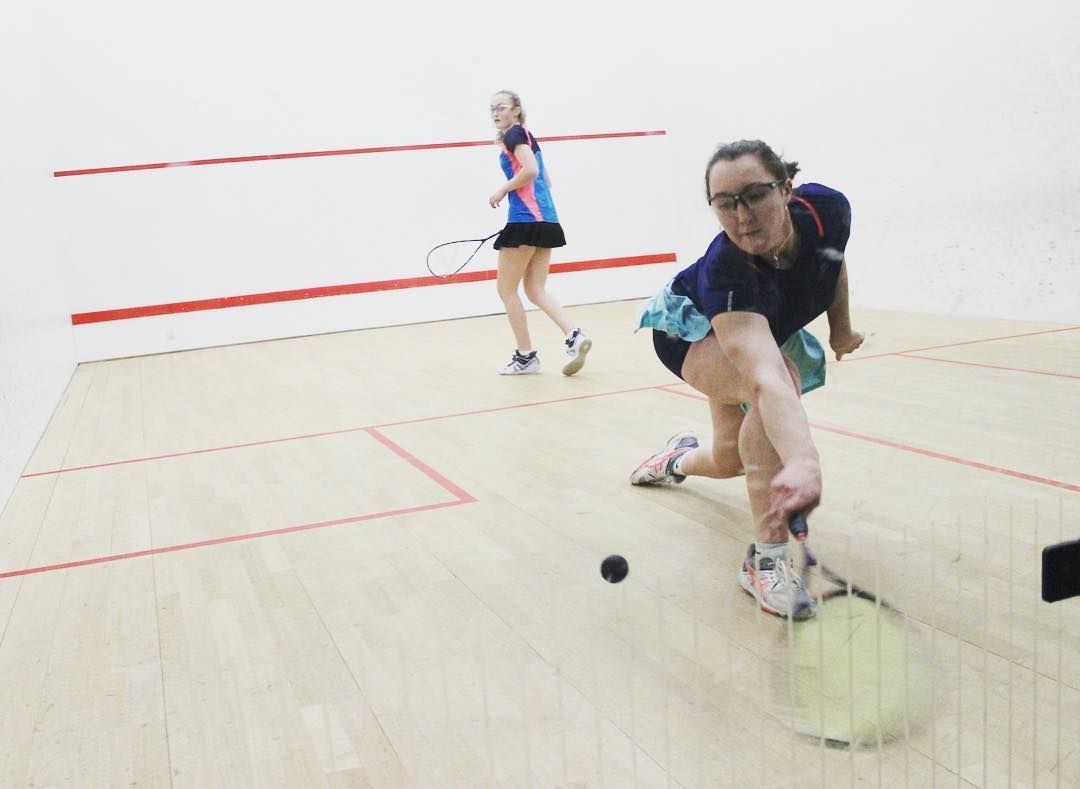
Unlike traditional gym or indoor sports floors, squash court flooring must endure rapid movement, abrupt stops, and continuous impact. That’s why it's essential to use resilient, shock-absorbent, and non-slip materials. The ideal surface enhances grip, reduces injury risk, and maintains consistent bounce characteristics for the ball.
Key qualities of resilient flooring for squash courts include:
- Shock absorption for joint protection
- Optimal traction for quick movements
- Surface hardness to support ball bounce
- Durability under high foot traffic
How to Choose Squash Court Flooring
Selecting the right flooring starts with understanding your goals. Ask yourself:
- Is the court for competition or recreational play?
- What’s the expected traffic level?
- Do you want an
eco-friendly squash court flooring option?
- What’s your budget for installation and long-term maintenance?
Your answers will guide your decision on materials, design, and installation methods.
Durable Squash Court Flooring Materials
The most common and durable squash court flooring materials include:
1. Solid Maple Wood
Highly popular in professional courts, solid maple offers:
- Superior traction
- High impact resistance
- Excellent ball rebound
However, it’s also one of the most expensive options and requires regular maintenance.
2. Engineered Hardwood
A cost-effective alternative to solid wood, engineered hardwood consists of a hardwood veneer over layers of plywood. It offers:
- Stability in changing humidity
- A real-wood feel at a lower cost
3. Synthetic Sports Flooring
Modern synthetic floors mimic wood properties while offering:
- Easier installation
- Lower maintenance
- Better resistance to moisture
For facilities prioritizing eco-friendly squash court flooring, synthetic materials made from recycled content may be ideal.
Indoor Squash Court Flooring Ideas
If you're designing a new space, consider these indoor squash court flooring ideas:
- Modular Flooring Tiles – Easy to replace and ideal for multi-purpose courts.
- Color-Tinted Wood or Synthetic Surfaces – Adds branding and design aesthetics.
- Shock-Absorbing Underlayers – Increases comfort and extends floor life.
Innovative ideas balance function and aesthetics while enhancing the court’s usability.
Squash Court Flooring Installation
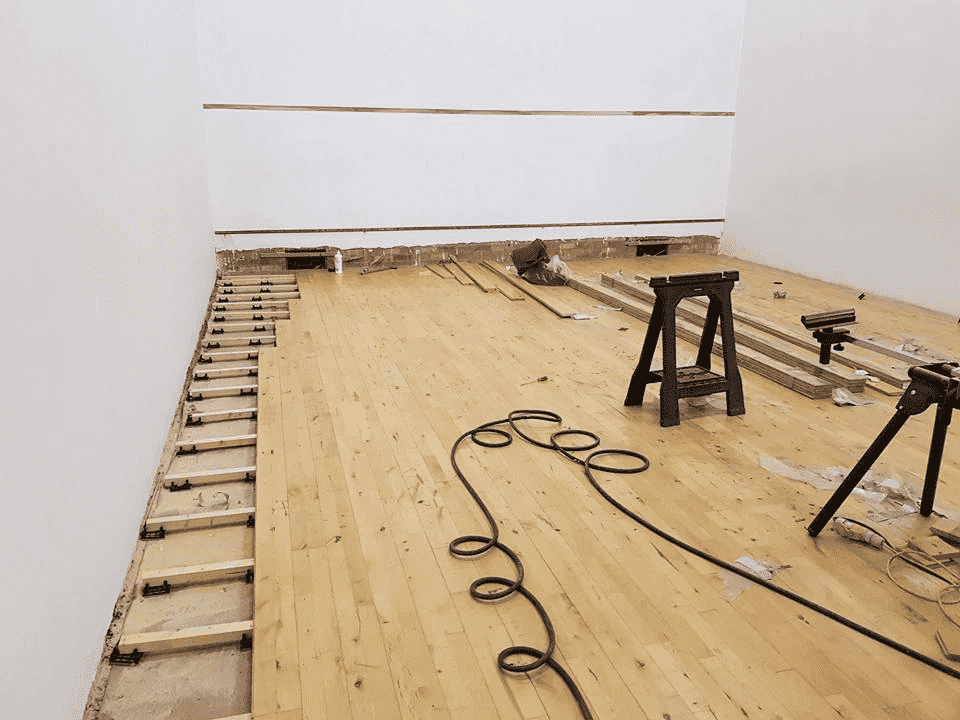
Proper installation is critical to maximize floor performance and lifespan. Professional squash court flooring installation usually involves:
- Subfloor preparation: Ensuring level, dry, and clean conditions.
- Underlayment installation: Optional for added shock absorption.
- Flooring placement: Depending on material—nailed, glued, or interlocked.
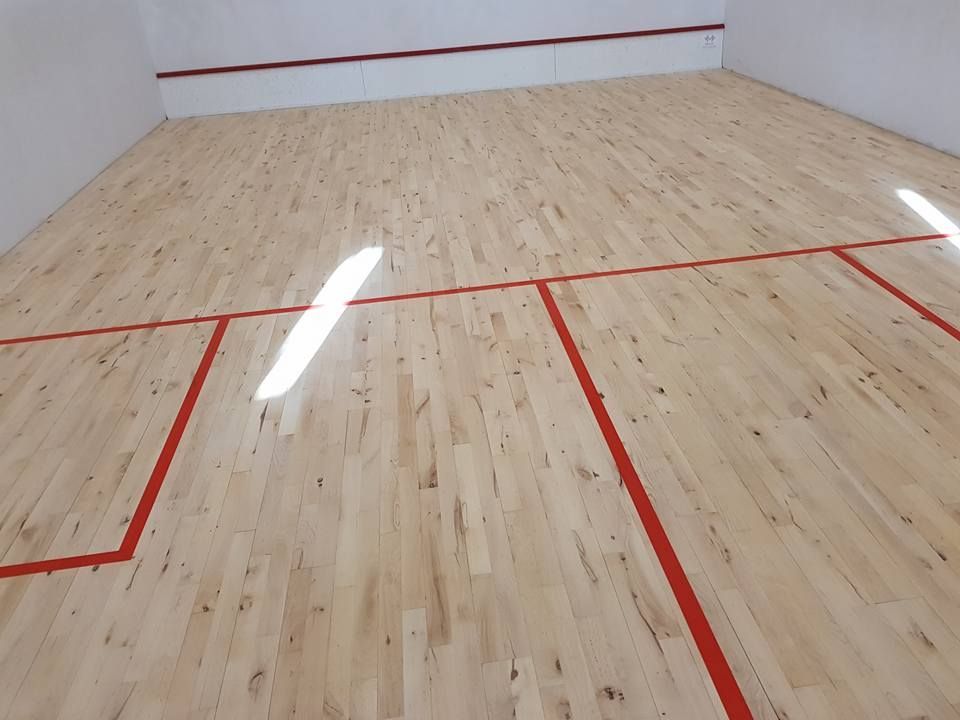
- Finishing and line marking: Sealing the surface and painting boundary lines.
DIY isn’t recommended unless you have experience with sports flooring systems. Errors can lead to uneven bounce and increased injury risk.
Squash Court Flooring Cost
The squash court flooring cost can vary significantly depending on the material and project complexity. Here’s a quick breakdown:
Flooring Type
Cost Range (per sq. ft.)
Notes
Solid Maple
$12 – $18
Professional-grade, high maintenance
Engineered Wood
$8 – $12
Budget-friendly with good performance
Synthetic Flooring
$6 – $10
Durable and low maintenance
Additional costs to consider:
- Installation: $3 – $6 per sq. ft.
- Line painting: $500 – $1,000
- Maintenance tools or services
Squash Court Flooring Maintenance
Regular squash court flooring maintenance extends the life of your investment and keeps it safe for play. Key steps include:
- Daily Cleaning: Dust and sweat can cause slipperiness—use microfiber mops.
- Weekly Inspection: Check for wear, scratches, or moisture damage.
- Annual Resealing: For wood floors, reapply finish for grip and shine.
- Humidity Control: Keep indoor humidity stable to prevent floor expansion or contraction.
Synthetic floors require less frequent maintenance but should still be inspected for wear and tear.
Squash Court Flooring Repair
Even the most durable flooring will eventually need fixing. Common squash court flooring repair issues include:
- Cracks or Gaps: Typically in wood floors—require sanding or board replacement.
- Surface Wear: Refinish wood floors or replace worn tiles in synthetic courts.
- Moisture Damage: May require subfloor treatment and sealing.
Prompt repairs ensure player safety and prevent costly replacements later.
Eco-Friendly Squash Court Flooring Options
If sustainability is a priority, choose eco-friendly squash court flooring materials such as:
- Bamboo Flooring: A renewable resource that’s fast-growing and durable.
- Recycled Rubber Underlays: Provides excellent shock absorption and environmental benefits.
- VOC-Free Finishes: Safer for indoor air quality.
Look for certifications like FSC (Forest Stewardship Council) or Greenguard to ensure your choices meet green standards.
Conclusion: Choosing the Best Flooring for Squash Courts
Choosing the right squash court flooring requires balancing performance, durability, cost, and environmental impact. Whether you're building a new facility or upgrading an old court, focus on materials that support high-speed movement, ensure safety, and reduce maintenance demands.
In summary:
- Solid maple is the gold standard for performance.
- Engineered wood and synthetics offer versatility and savings.
- Proper installation and maintenance are key to longevity.
- Repair promptly to prevent major damage.
- Sustainable choices are available without compromising quality.
Now that you have a solid understanding of squash court flooring, you’re ready to dive into the specifics. Check out our detailed guides on each of the following topics:
- Best Flooring for Squash Courts
- Squash Court Flooring Installation
- Squash Court Flooring Repair
- Eco-Friendly Squash Court Flooring
- Squash Court Flooring Cost