Indoor vs Outdoor Squash Courts: Which Is Better?
Selecting between an indoor or outdoor squash court is a major decision for developers, gym owners, schools, and residential communities. The wrong choice can lead to higher maintenance costs, reduced player satisfaction, and lower long-term value. Climate conditions, budget limitations, and intended usage all influence which option delivers the strongest return on investment.
Professionals in sports facility planning understand that both indoor and outdoor squash courts offer distinct advantages. This guide compares indoor vs outdoor squash courts across cost, durability, maintenance, gameplay quality, and long-term performance to help decision-makers choose the right solution for their facility.
Understanding Indoor and Outdoor Squash Courts
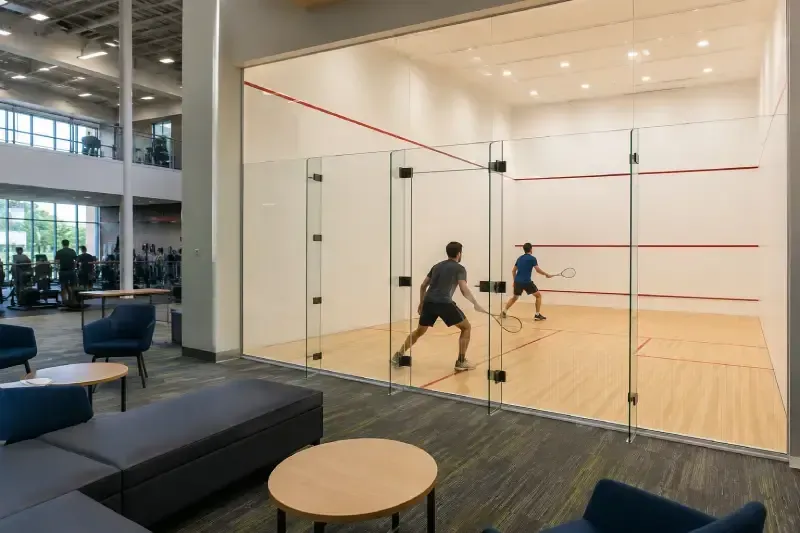
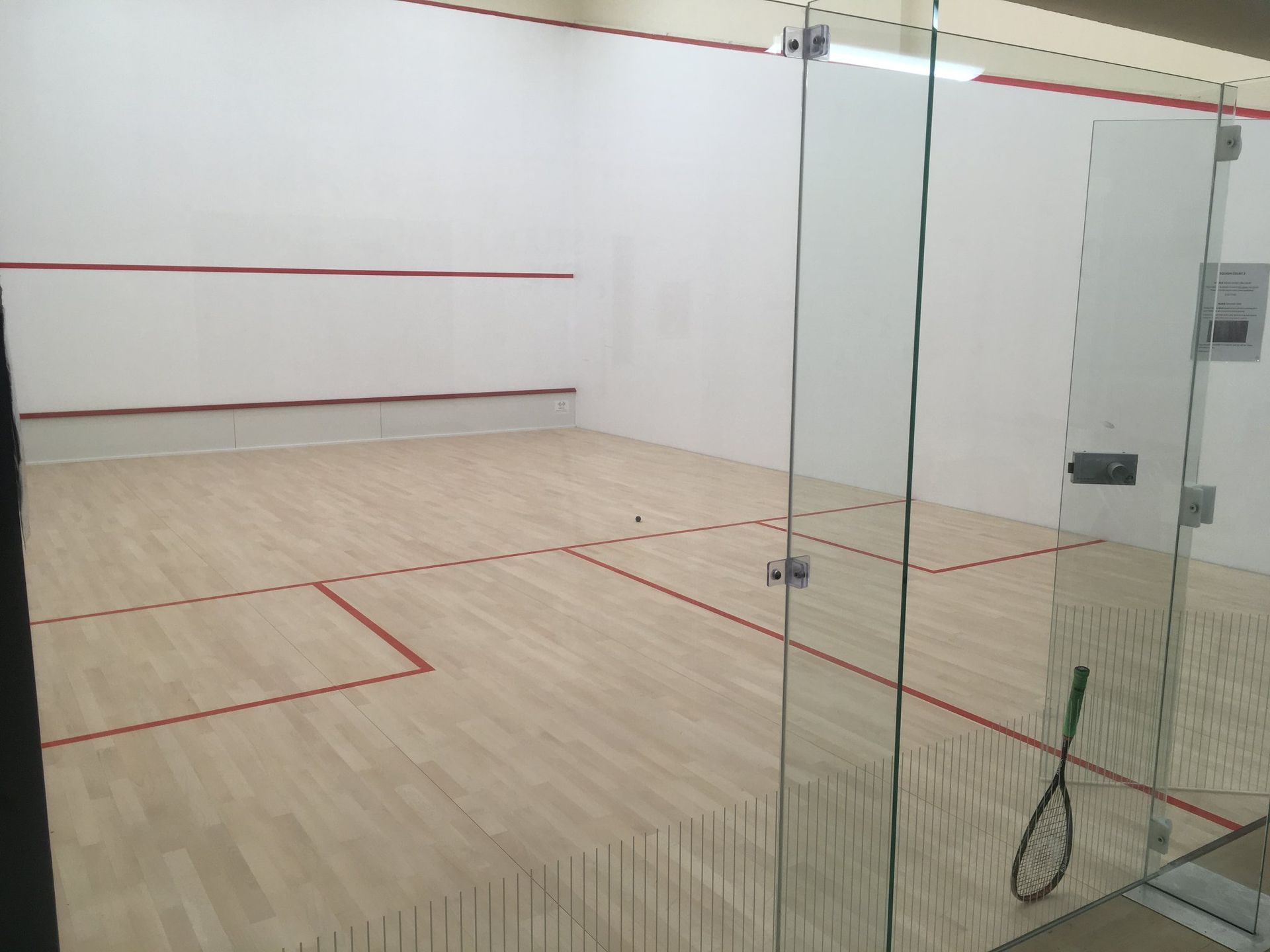
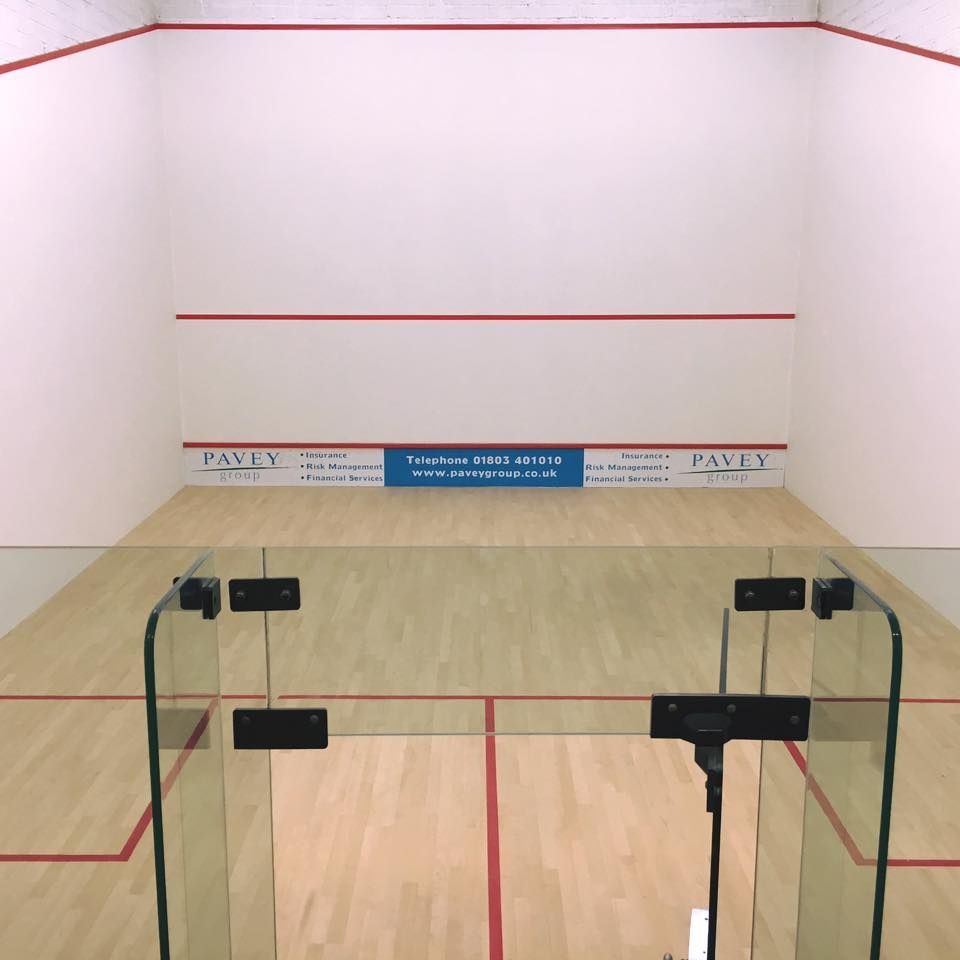
Indoor squash courts are enclosed facilities built within a structure that protects the court from weather conditions and environmental exposure. They are the most common option because they provide consistent playing conditions throughout the year. Indoor courts are widely used in gyms, schools, sports clubs, and residential developments.
Outdoor squash courts are open-air or semi-covered facilities designed for use in suitable climates. These courts can reduce initial construction costs and create a more flexible recreational feature. However, they are more exposed to rain, heat, humidity, wind, and debris, all of which can affect performance and lifespan.
The decision between indoor and outdoor courts depends on usage goals, location, budget, and maintenance expectations. Each option should be evaluated carefully before construction begins.
Cost Comparison: Indoor vs Outdoor Squash Courts
Construction cost is often the first factor considered when comparing indoor and outdoor squash courts. Indoor courts usually require higher upfront investment because they involve structural building work, ventilation systems, lighting, and climate control. These additional systems increase both material and labor costs.
Outdoor courts often cost less initially because they may not require a full enclosed building. In some cases, only partial coverings or weather-resistant features are needed. This can make outdoor courts attractive for budget-conscious projects.
| Cost Factor | Indoor Court | Outdoor Court |
|---|---|---|
| Initial Construction | Higher | Lower |
| Lighting Systems | Required | Optional |
| Climate Control | Required | Not Required |
| Long-Term Repairs | Lower | Higher |
Although outdoor courts may reduce startup costs, indoor courts often offer better long-term financial efficiency.
Performance and Gameplay Quality
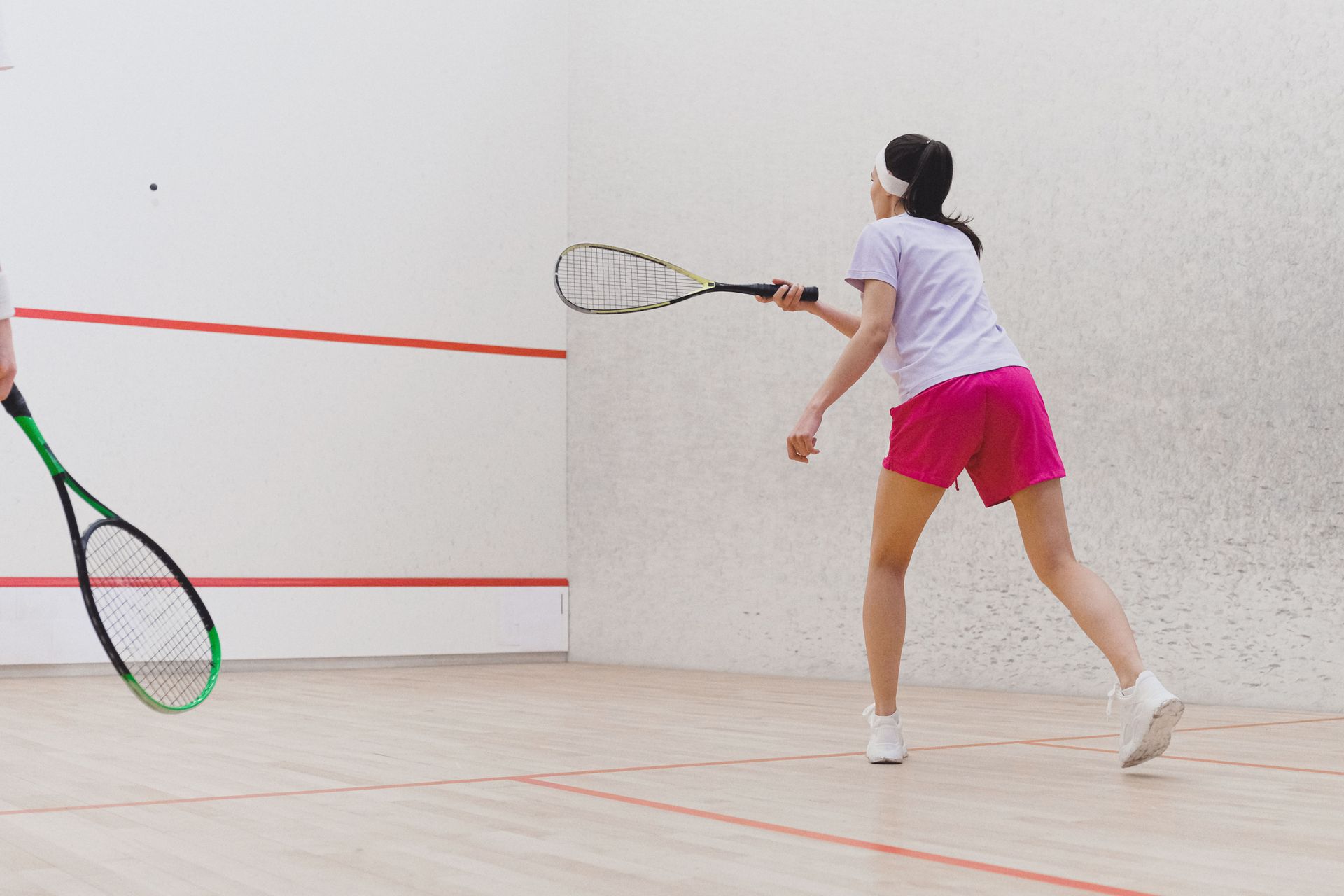
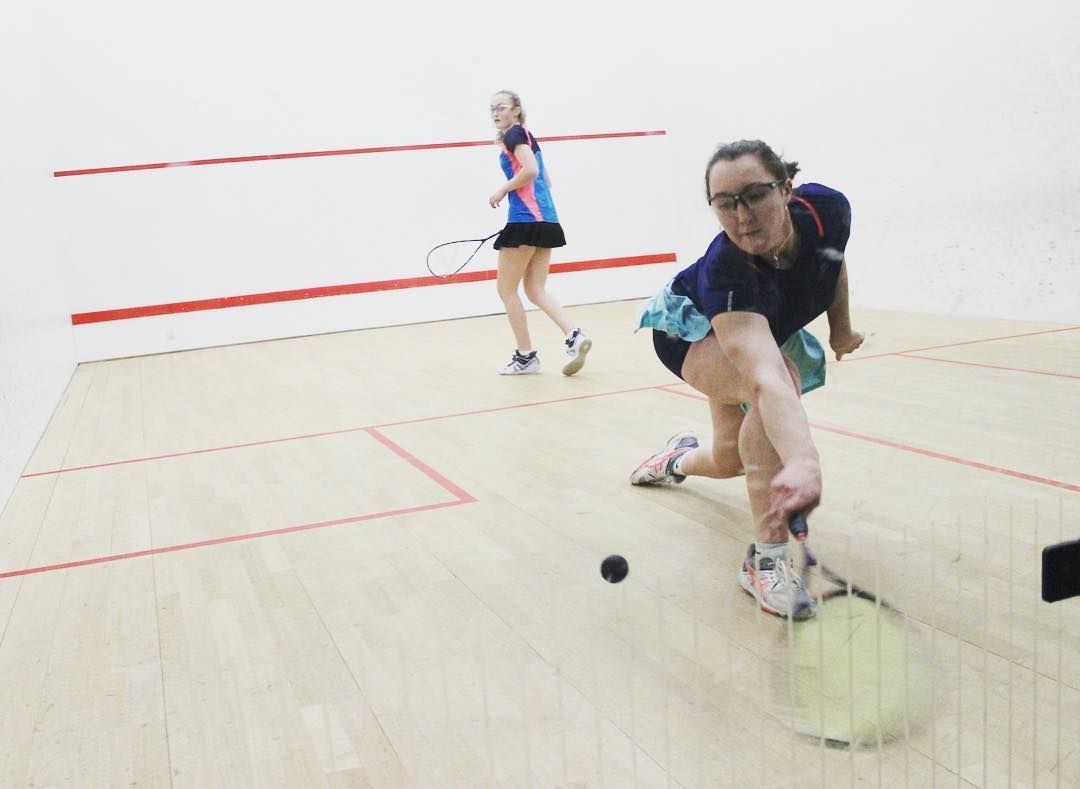
Indoor squash courts provide the most reliable playing experience. Controlled temperature, stable humidity, and protection from wind allow for predictable ball movement and consistent rebounds. This makes indoor courts the preferred option for competitive play and regular training.
Outdoor courts can present challenges for gameplay. Wind may affect ball direction, while moisture or surface debris can interfere with movement and bounce. Direct sunlight may also reduce visibility during certain times of day.
For facilities focused on serious players, tournaments, or training programs, indoor courts typically deliver superior performance standards. Outdoor courts may still be suitable for casual recreational use in appropriate climates.
Durability and Lifespan
Durability is one of the strongest advantages of indoor squash courts. Protected environments reduce exposure to rain, UV rays, humidity changes, and debris. This helps preserve flooring, wall finishes, and structural materials for a longer period.
Outdoor courts face constant environmental stress. Sun exposure can fade surfaces, moisture can damage materials, and debris may accelerate wear. As a result, outdoor courts often require more frequent repairs or earlier renovation.
Facilities seeking the longest possible lifespan with predictable upkeep generally benefit more from indoor court construction.
Maintenance Requirements
Maintenance costs and workload differ significantly between indoor and outdoor courts. Indoor courts require routine cleaning, floor refinishing, line repainting, and system checks for lighting and ventilation. Because the environment is controlled, surfaces usually remain cleaner and more stable.
Outdoor courts require all standard maintenance tasks plus additional cleaning due to leaves, dust, moisture, and weather-related wear. Surface inspections are especially important after storms or seasonal changes.
- Indoor Courts: Lower surface exposure and more stable upkeep schedules.
- Outdoor Courts: Higher cleaning frequency and faster wear from climate exposure.
- Repair Frequency: Outdoor courts often need more regular repairs.
- Operational Reliability: Indoor courts usually remain available year-round.
Facilities with limited maintenance resources often prefer indoor courts.
Best Use Cases for Indoor Courts
Indoor squash courts are ideal for organizations that prioritize long-term value, professional standards, and year-round availability. Common examples include:
- Commercial gyms and fitness centers
- Schools and universities
- Sports clubs and training centers
- Luxury residential developments
- Multi-sport indoor complexes
These environments benefit from predictable scheduling, consistent gameplay, and stronger member satisfaction.
Best Use Cases for Outdoor Courts
Outdoor squash courts may be suitable when climate conditions are favorable and the facility prioritizes casual recreation over professional competition. Common examples include:
- Warm-weather resorts
- Parks and recreational centers
- Residential communities with outdoor amenities
- Seasonal sports venues
- Budget-focused projects with available land
In these scenarios, outdoor courts can provide attractive recreational value when designed with durable materials.
How to Choose the Right Option
The best choice depends on strategic priorities. If year-round use, premium performance, and lower long-term maintenance are priorities, indoor courts are usually the stronger option. If lower startup cost and casual recreational use are the focus, outdoor courts may be practical.
Decision-makers should evaluate climate, target users, operating budget, maintenance capacity, and expected usage volume before selecting a court type.
Choose a Court That Matches Long-Term Goals
Indoor and outdoor squash courts each offer unique benefits, but the right investment depends on long-term facility objectives. Projects focused on durability, consistent gameplay, and reliable operation often benefit from indoor construction, while outdoor courts may suit recreational environments with favorable weather. Strategic planning leads to stronger returns and user satisfaction. Organizations evaluating their next project can benefit from reliable squash court specialists who deliver tailored solutions for every environment.
Frequently Asked Questions
Are indoor squash courts better than outdoor courts?
Indoor courts are generally better for consistent performance, year-round use, and lower long-term wear. Outdoor courts may suit recreational use in favorable climates.
Which type of squash court costs less to build?
Outdoor courts often have lower initial construction costs because they may not require a fully enclosed building or climate systems.
Do outdoor squash courts need more maintenance?
Yes, outdoor courts are exposed to weather, debris, and moisture, which usually increases cleaning and repair requirements.
Why are indoor courts more common?
Indoor courts provide stable playing conditions, predictable scheduling, and better protection for flooring and wall systems.
Can outdoor squash courts be high quality?
Yes, with proper design and durable materials, outdoor courts can perform well, especially in climates with minimal weather extremes.