Squash Court Design Ideas for Modern Facilities
Designing a squash court that balances performance, durability, and visual appeal presents a significant challenge for property developers and facility managers. Poor layout decisions, inadequate ventilation, and suboptimal material choices can reduce usability and increase long-term maintenance costs. A well-designed court must align with both player expectations and structural efficiency to ensure consistent performance over time.
Professionals specializing in sports facility development understand that squash court design requires precision, customization, and strategic planning. This guide is tailored for decision-makers exploring squash court design ideas, covering layout options, material selection, comfort features, and modern innovations that enhance both residential and commercial spaces.
Understanding the Fundamentals of Squash Court Design
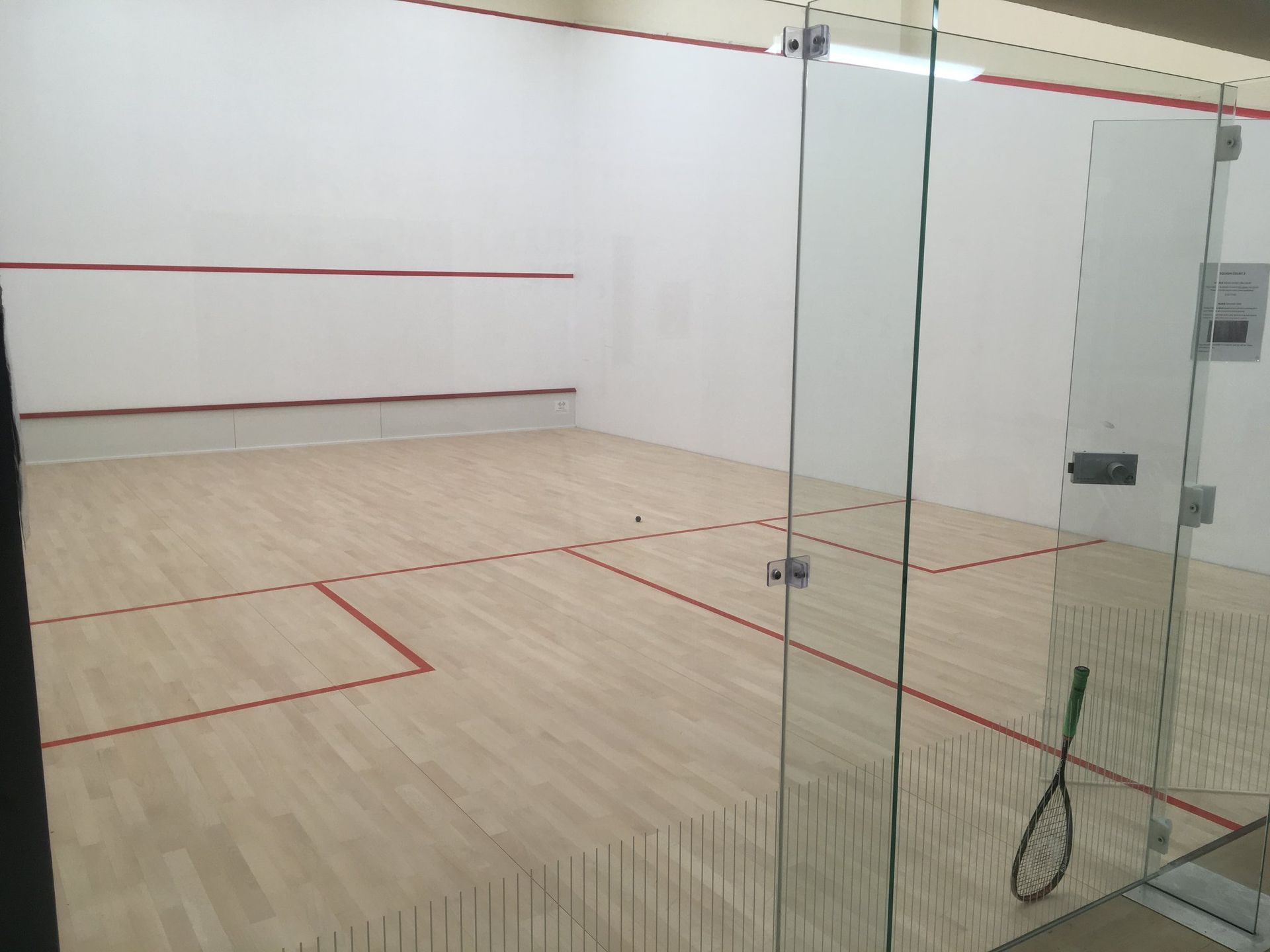
Effective squash court design begins with a clear understanding of performance requirements and user expectations. Courts must meet standardized dimensions while accommodating structural constraints and aesthetic preferences. The goal is to create a space that delivers consistent ball behavior, player safety, and long-term durability.
Design considerations extend beyond basic dimensions. Wall alignment, ceiling height, and floor performance all influence gameplay. A poorly designed court can result in unpredictable ball rebounds and reduced player satisfaction. As a result, professional design emphasizes precision at every stage.
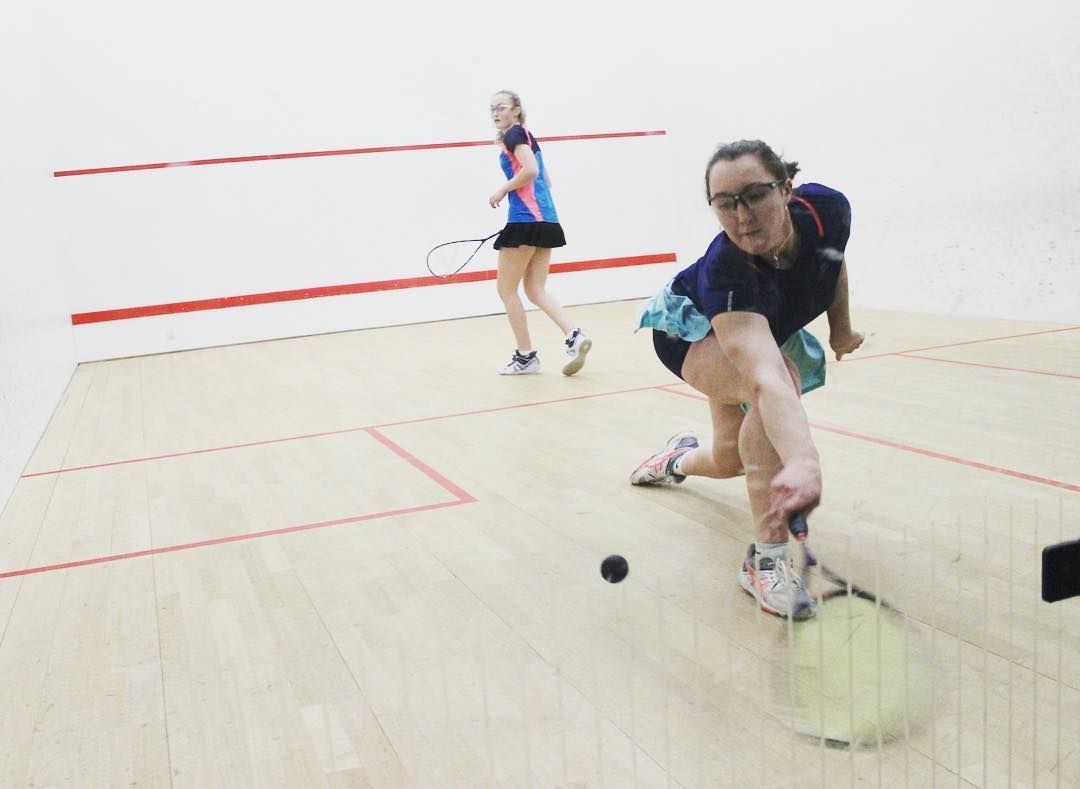
Modern facilities also prioritize user experience. This includes proper lighting, temperature control, and noise management. These elements contribute to player comfort and encourage frequent use, especially in commercial environments such as gyms and sports clubs.
Residential vs Commercial Squash Court Design
Squash court design varies significantly depending on the intended use. Residential courts typically focus on space efficiency and customization, while commercial courts prioritize durability and high usage capacity.
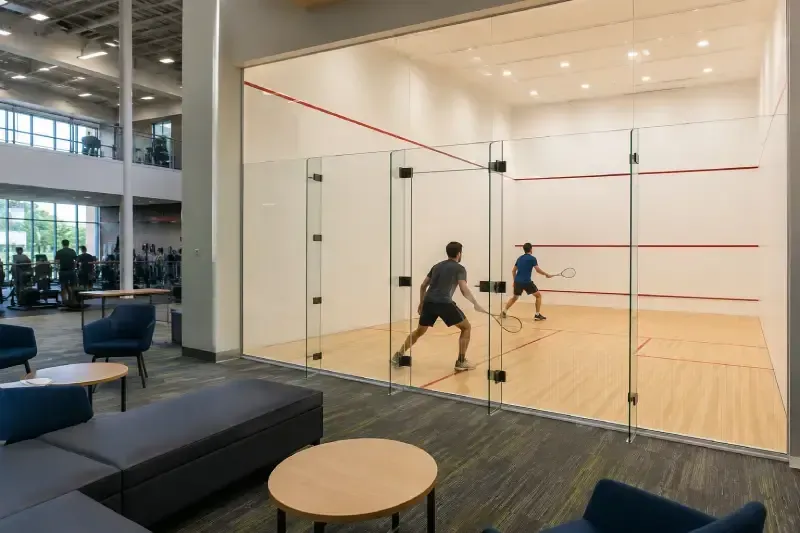
Residential courts are often integrated into private homes or luxury properties. These designs may include customized finishes, compact layouts, and enhanced aesthetics. Homeowners often prioritize visual appeal alongside functionality, incorporating glass walls or premium materials.
Commercial courts, on the other hand, must accommodate frequent use and multiple players. Facilities such as gyms and sports centers require durable materials, efficient layouts, and easy maintenance. These courts are designed to withstand heavy traffic while maintaining consistent performance.
| Feature | Residential Court | Commercial Court |
|---|---|---|
| Usage | Private | High traffic |
| Design Focus | Customization | Durability |
| Maintenance | Moderate | Frequent |
Key Layout Considerations for Squash Courts
Layout planning is a critical component of squash court design. Proper spacing ensures safe movement and optimal gameplay. Designers must consider not only the court itself but also surrounding areas such as spectator seating and access points.
Clearances around the court are essential for player safety. Adequate space allows for movement without obstruction, reducing the risk of injury. Entry and exit points must also be strategically placed to maintain flow and accessibility.
For commercial facilities, additional features such as viewing galleries and locker rooms enhance the overall experience. These elements should be integrated seamlessly into the design to maximize functionality without compromising the court’s performance.
Innovative Squash Court Design Ideas
Modern squash court design incorporates innovative features that enhance both functionality and visual appeal. These ideas allow facilities to differentiate themselves while improving user experience.
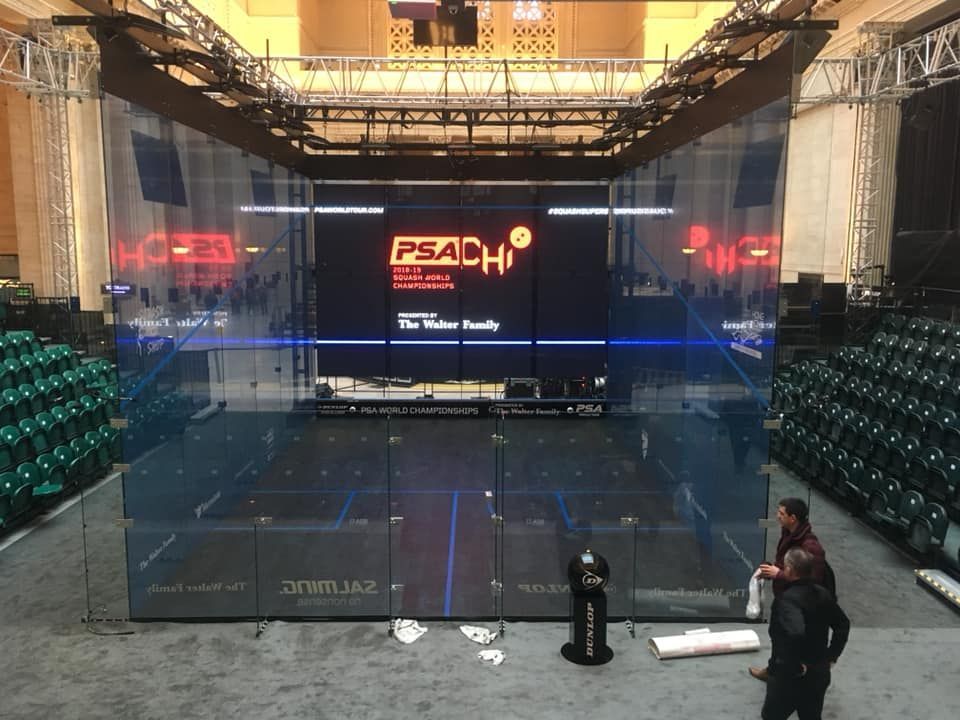
- Glass Back Walls: Provide visibility for spectators and create a modern aesthetic.
- LED Lighting Systems: Improve visibility while reducing energy consumption.
- Acoustic Panels: Minimize noise and enhance comfort.
- Climate Control Systems: Maintain consistent temperature and air quality.
- Multi-Court Layouts: Maximize space in commercial facilities.
These features not only improve functionality but also increase the perceived value of the facility. Incorporating modern design elements ensures that courts remain competitive and appealing to users.
Choosing the Right Materials for Design Longevity
Material selection plays a crucial role in squash court design. High-quality materials ensure durability, consistent performance, and reduced maintenance requirements.
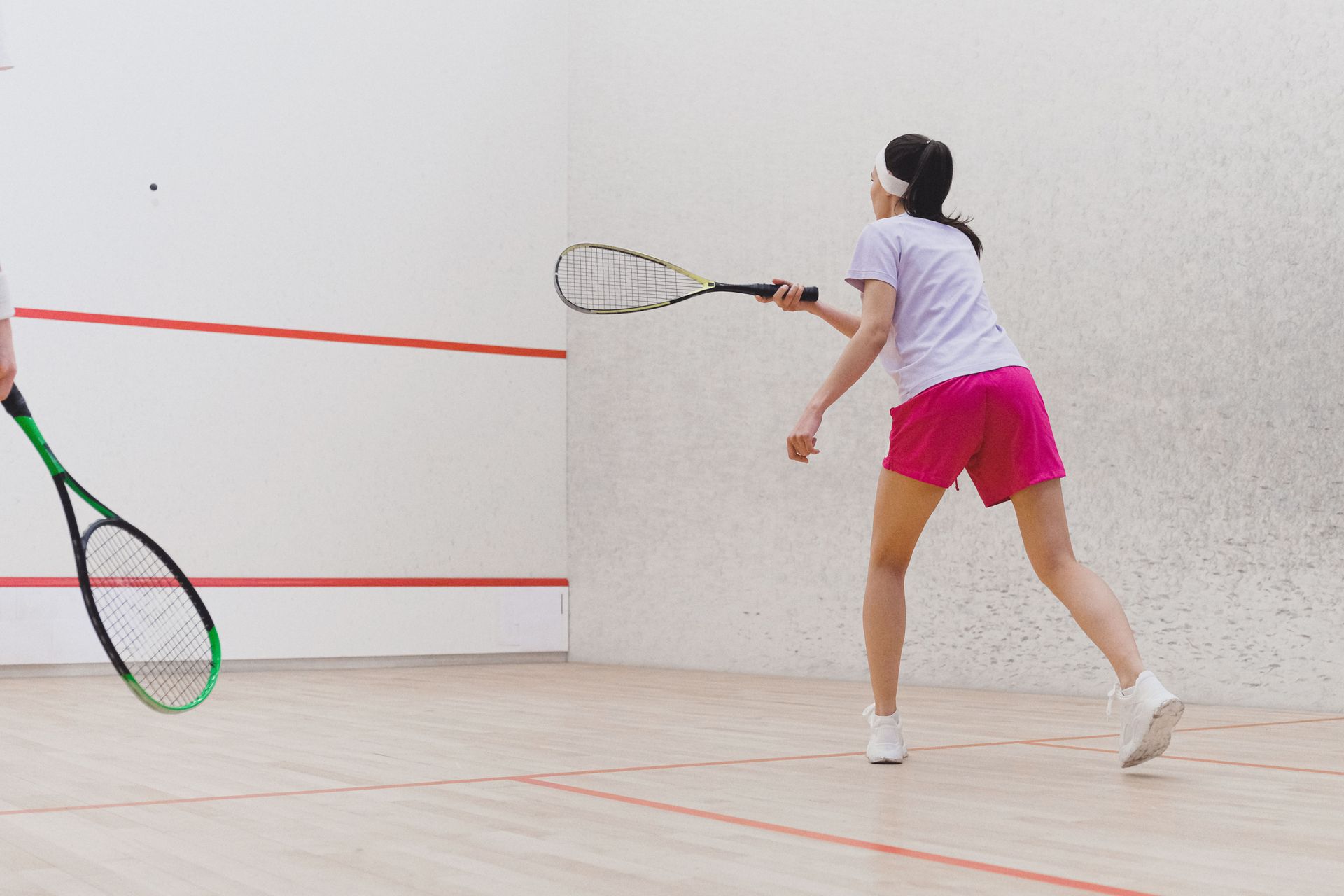
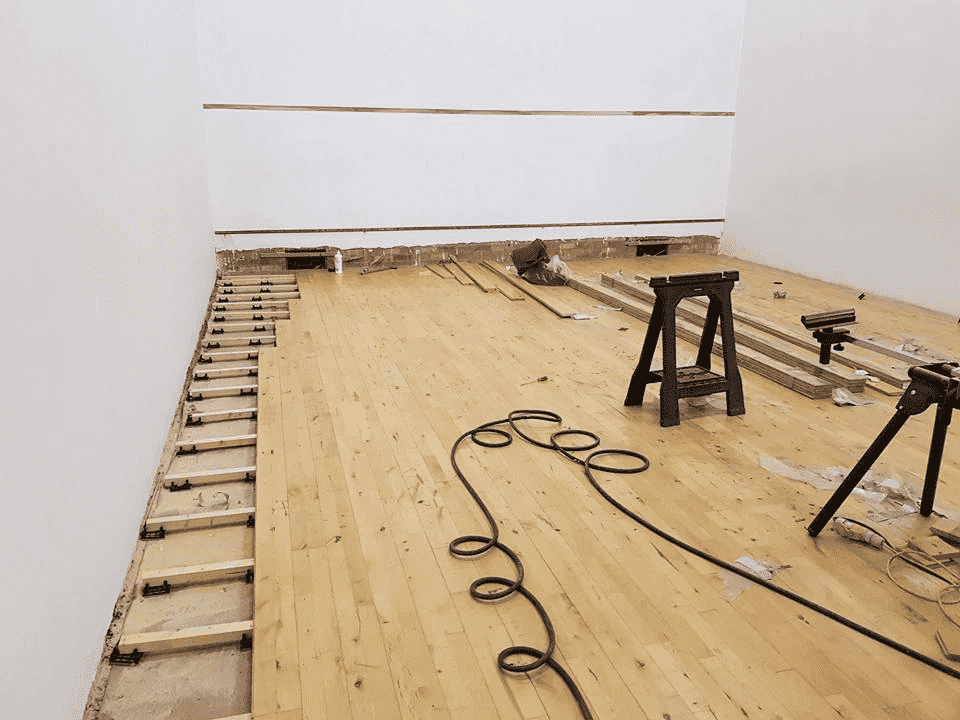
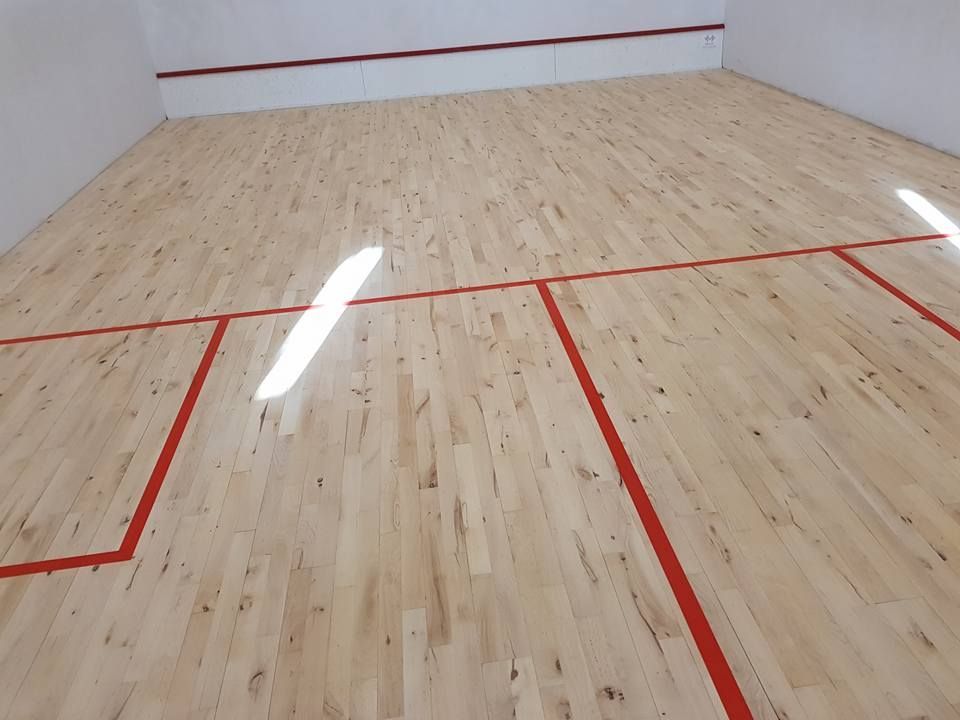
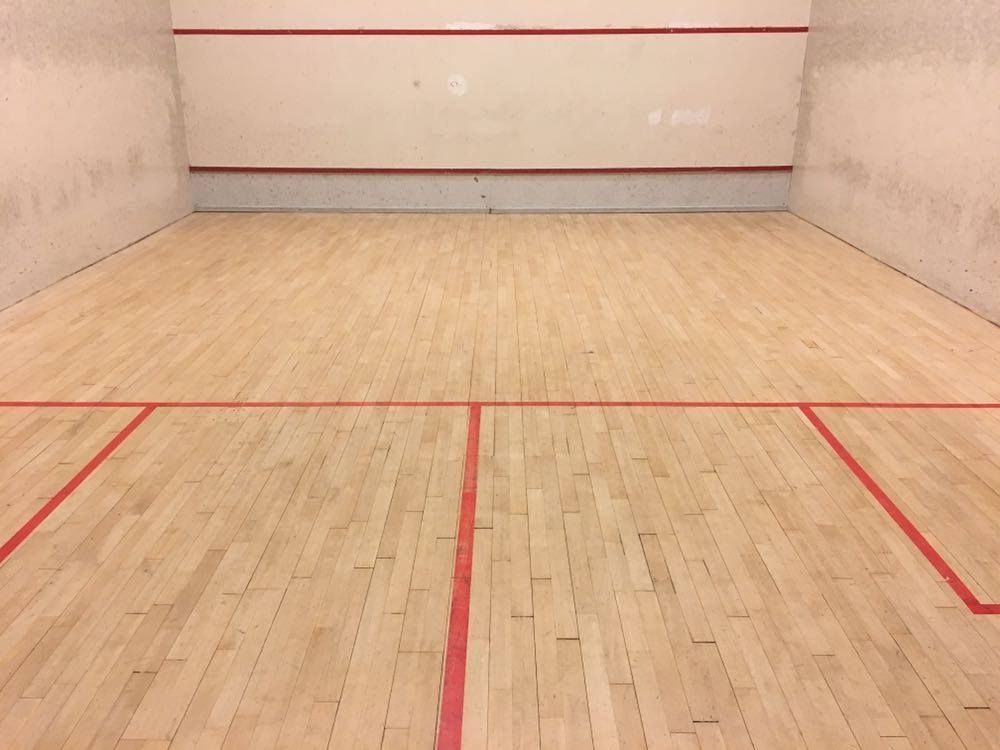
Hardwood flooring remains the industry standard due to its resilience and shock absorption properties. Engineered wood offers additional stability, particularly in environments with varying humidity levels. Both options provide reliable performance when properly maintained.
Wall materials must be smooth and durable to ensure consistent ball rebounds. Prefabricated panels and plastered masonry are commonly used for their reliability and ease of maintenance. Glass panels are often incorporated for aesthetic and functional purposes.
Lighting and Ventilation in Squash Court Design
Lighting and ventilation are essential components of effective squash court design. Proper lighting ensures visibility without glare, allowing players to track the ball accurately. LED lighting systems are widely used due to their efficiency and longevity.
Ventilation systems maintain air quality and temperature control, creating a comfortable playing environment. Poor ventilation can lead to humidity buildup and reduced player comfort, particularly in indoor courts.
Designers must carefully position lighting fixtures to avoid shadows and ensure even distribution. Similarly, ventilation systems should be integrated seamlessly into the structure to maintain aesthetics while delivering optimal performance.
Designing for Maintenance and Longevity
A well-designed squash court must account for long-term maintenance. Features that simplify cleaning and repairs can significantly reduce operational costs over time.
Easy-to-clean surfaces, durable finishes, and accessible maintenance points are essential. Regular upkeep, including cleaning and periodic refinishing, ensures that the court remains in optimal condition.
Designing with maintenance in mind not only extends the lifespan of the court but also enhances user satisfaction. Facilities that prioritize durability and ease of maintenance achieve better long-term results.
Build a Court That Stands Out
Investing in thoughtful squash court design ensures long-term performance, durability, and user satisfaction. Facilities that prioritize quality materials, efficient layouts, and modern features create environments that attract players and maximize value. Strategic planning and expert execution are essential to achieving these outcomes. Organizations looking to develop high-quality facilities can benefit from expert squash court builders who deliver customized solutions tailored to specific needs.
Frequently Asked Questions
What is the ideal size for a squash court?
A standard squash court measures approximately 9.75 meters in length and 6.4 meters in width. These dimensions ensure consistent gameplay and compliance with international standards.
Can squash courts be customized for residential use?
Yes, residential squash courts can be customized to fit available space and design preferences. Features such as glass walls and premium finishes are commonly used in private installations.
What materials are best for squash court walls?
Smooth and durable materials such as plastered masonry or prefabricated panels are commonly used to ensure consistent ball rebounds and long-term performance.
How important is lighting in squash court design?
Lighting is critical for visibility and gameplay. Properly designed lighting systems eliminate glare and shadows, improving player performance and safety.
What factors affect squash court design costs?
Costs are influenced by materials, design complexity, additional features, and construction requirements. High-quality materials and advanced features may increase initial investment but provide long-term value.