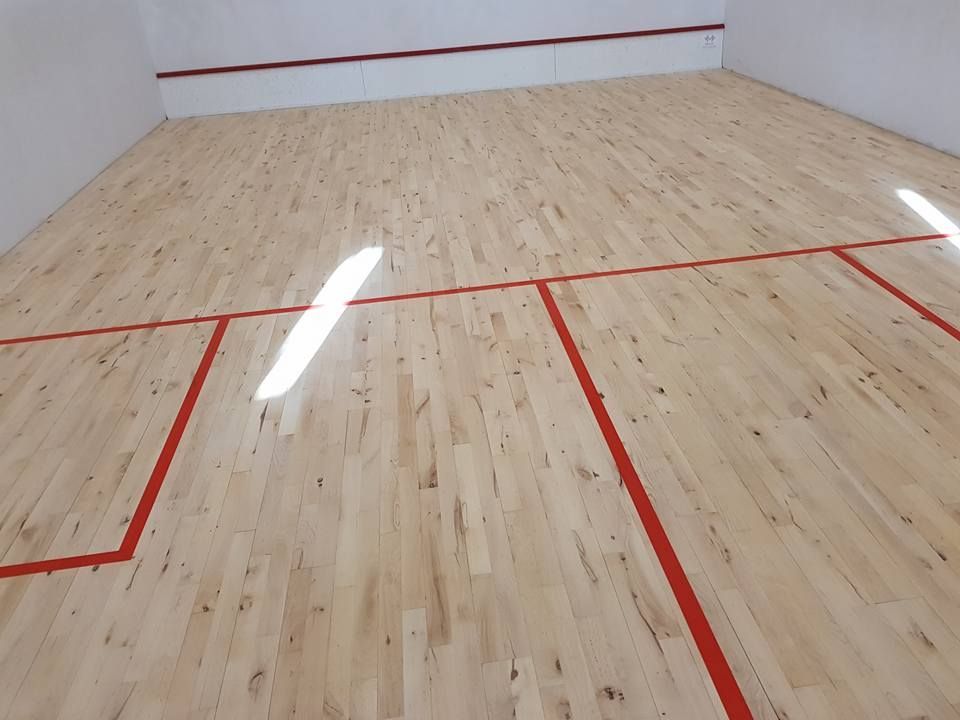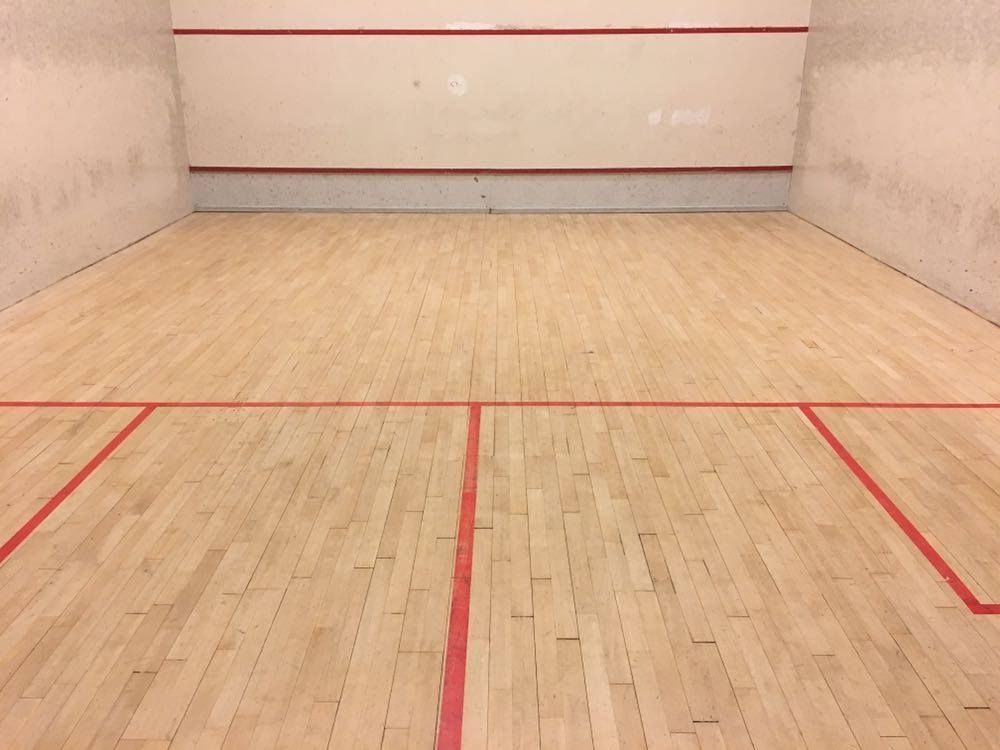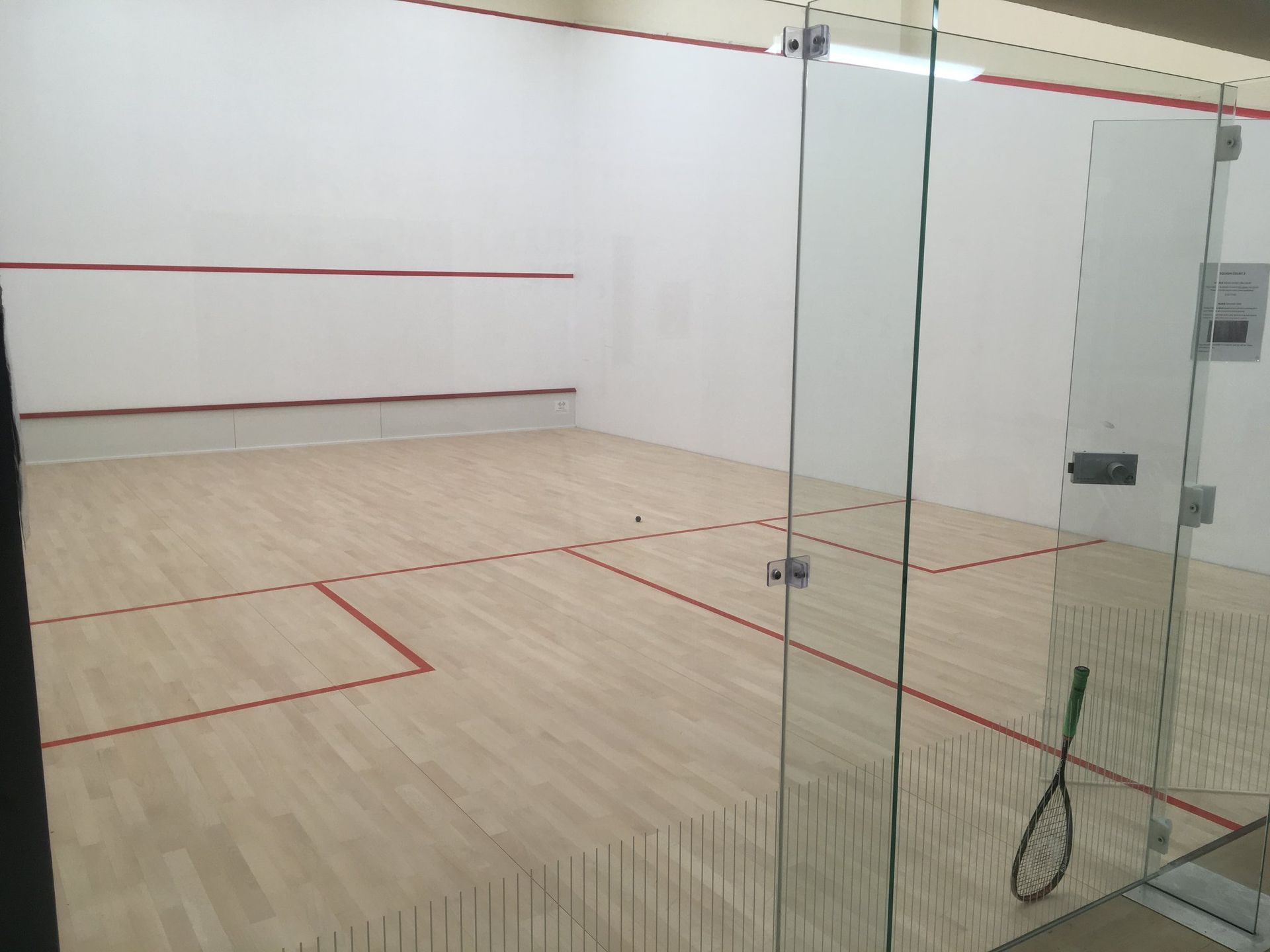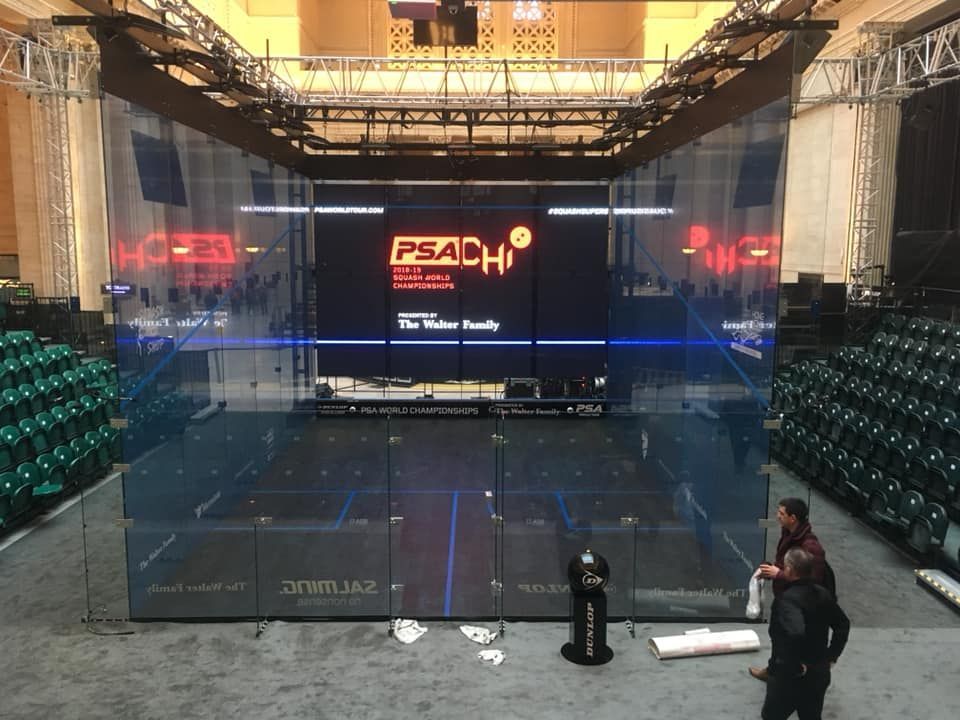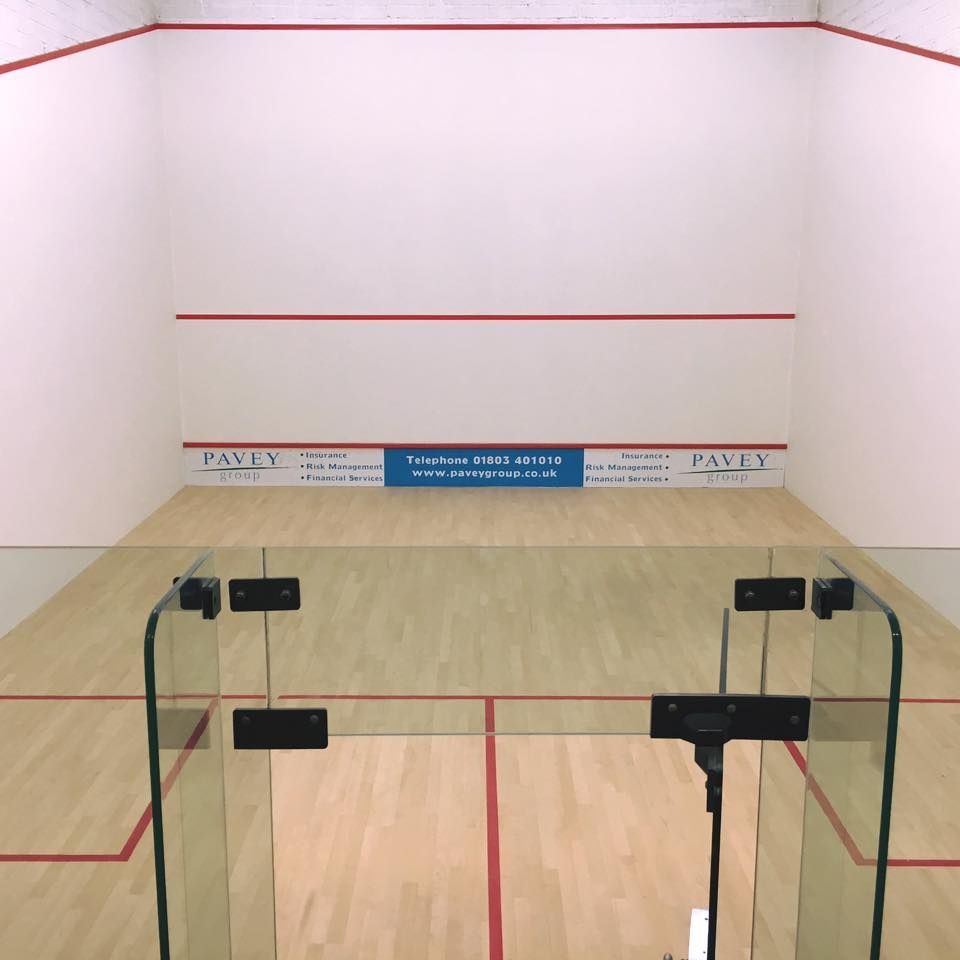
The walls of a squash court do more than enclose the playing area — they are an active part of the game. Every rally depends on how the ball reacts when it hits a wall, which means the material you choose affects bounce consistency, durability, and even lighting quality. Whether you're planning new squash court construction or upgrading an existing facility, understanding your wall material options is just as important as choosing the right flooring.
Why Wall Material Matters
Squash walls must produce a true, predictable rebound at high speed. A wall that's too soft absorbs energy unevenly, while a wall that's too hard can create unpredictable bounce and increase the risk of ball damage. The right material also needs to withstand thousands of impacts a year without cracking, chipping, or losing its finish.
1. Plaster Walls
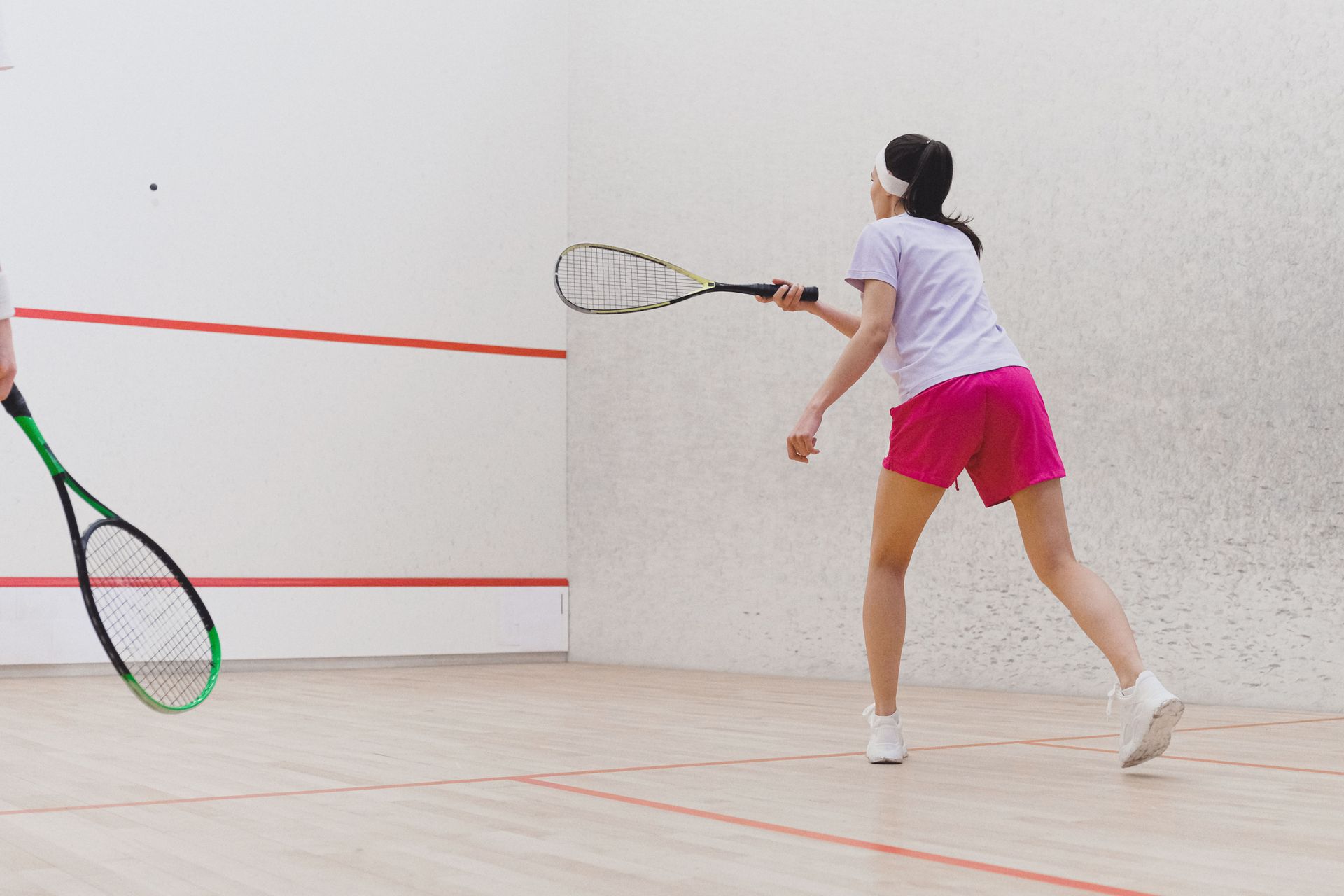
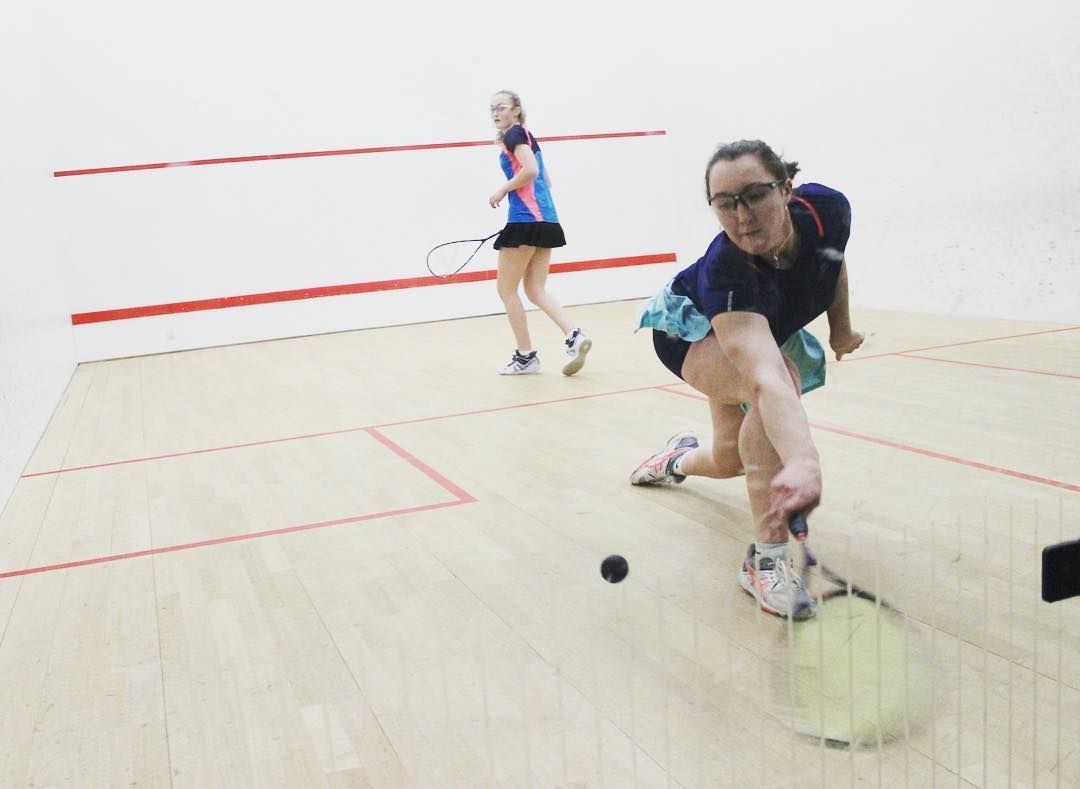
Plaster over concrete block or brick is the traditional standard for competition courts. It provides a smooth, consistent surface that produces reliable ball response and is the material specified in most professional regulations.
- Excellent, predictable ball bounce
- Smooth finish reduces ball marking
- Requires periodic repainting and crack repair
2. Glass Walls
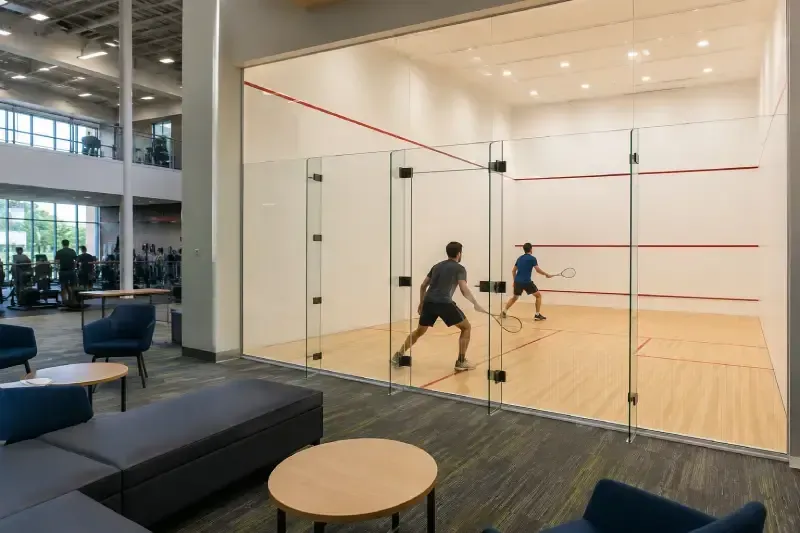
Glass back walls (and increasingly, full glass courts) have become popular for exhibition and spectator-facing venues because they allow unobstructed viewing. Tempered safety glass is engineered to match the rebound characteristics players expect, though it comes with a higher price tag and specialized installation requirements. For a full breakdown of how glass performs against traditional plaster construction, see our glass vs. traditional squash courts comparison.
3. Concrete Block (Unplastered)
Sometimes used in budget builds or temporary courts, exposed concrete block is durable but produces a harder, less consistent bounce than plaster. It's generally not recommended for serious training or competitive play.
Choosing the Right Wall System
Your choice should depend on the same factors that guide your overall squash court flooring decisions: budget, expected usage, and whether the court is residential, commercial, or built for competition. A facility with heavy daily traffic will need a more durable wall assembly than a private home court used occasionally.
Maintaining Your Walls
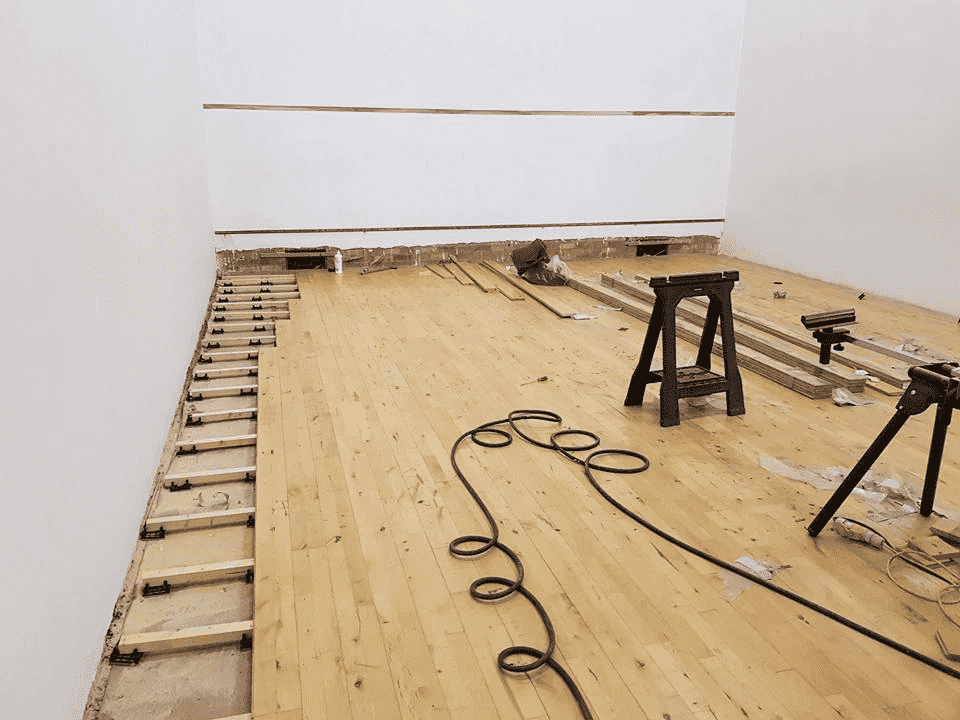
Like flooring, walls need regular attention to stay in top condition. Small cracks or chips should be addressed quickly before they affect ball response or player safety. Our squash court repair team handles everything from plaster patching to full wall resurfacing, and our renovation and repair guide walks through when a repair is enough versus when a fuller renovation makes sense.
Final Thoughts
Wall material is one of the most overlooked decisions in squash court design, yet it directly shapes how the game feels and how long the court lasts. Whether you're building new or restoring an aging facility, getting professional guidance ensures the walls perform as well as the floor beneath them. Contact Total Squash Court to discuss the right wall system for your project.