Building a squash court is a significant investment that requires careful planning, high-quality materials, and expert craftsmanship. Whether the project is for a private residence, university, athletic club, fitness center, or commercial sports complex, the quality of construction directly affects player safety, court performance, maintenance costs, and the lifespan of the facility.
While it may be tempting to reduce costs during construction, shortcuts often lead to expensive repairs, uneven playing surfaces, moisture problems, and dissatisfied players. Investing in professional construction from the beginning ensures that every component of the court performs exactly as intended while minimizing future maintenance expenses.
In this guide, we'll explore why professional squash court construction matters, the essential components of a high-performance court, and how facility owners can protect their investment for decades.
Why Professional Squash Court Construction Matters
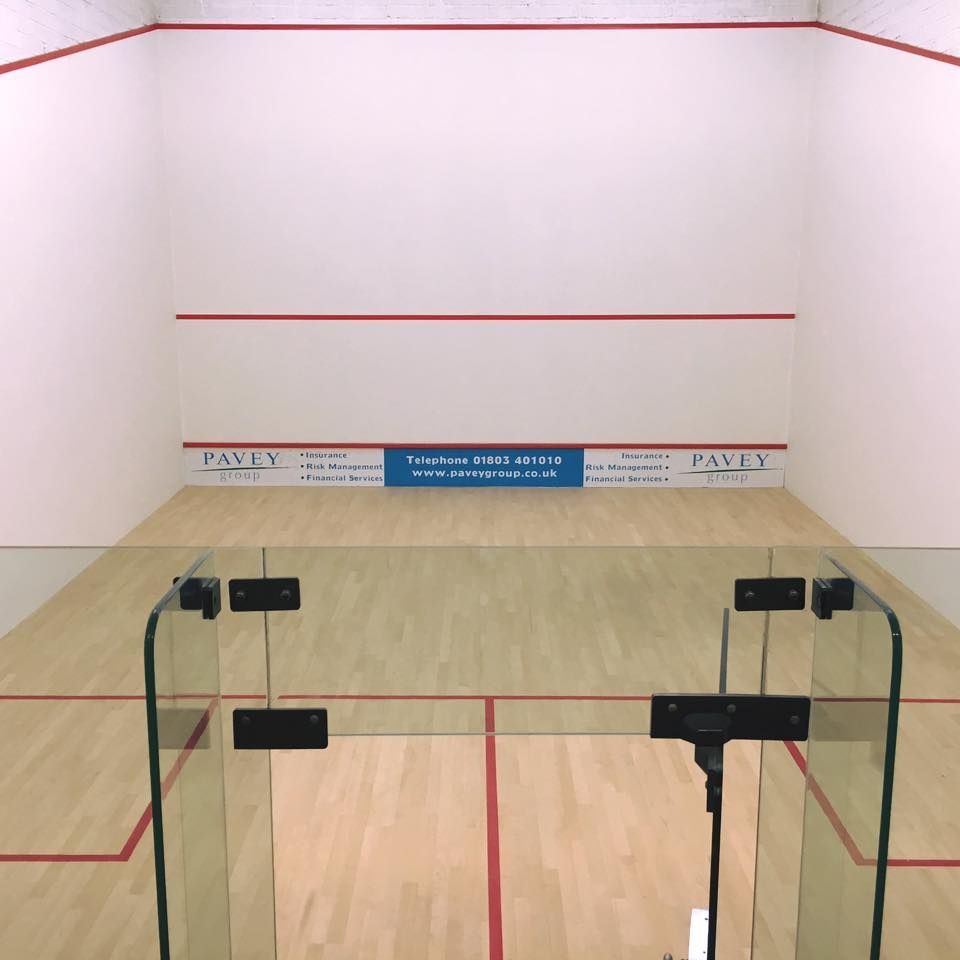
A squash court is much more than four walls and a hardwood floor. Every measurement, material, and installation technique influences how the game is played. Professional builders follow precise specifications to ensure the court delivers consistent ball rebound, proper acoustics, reliable footing, and long-term structural stability.
Unlike many recreational spaces, squash courts experience constant impact from players making quick directional changes, repeated ball strikes against walls, and varying indoor environmental conditions. Poor workmanship can lead to uneven wall surfaces, flooring movement, moisture damage, and structural deterioration much sooner than expected.
Choosing experienced professionals for professional squash court construction helps ensure that every stage of the project—from planning and subfloor preparation to wall installation and finishing—is completed to a high standard. This attention to detail creates a court that not only performs well but also requires fewer repairs over its lifetime.
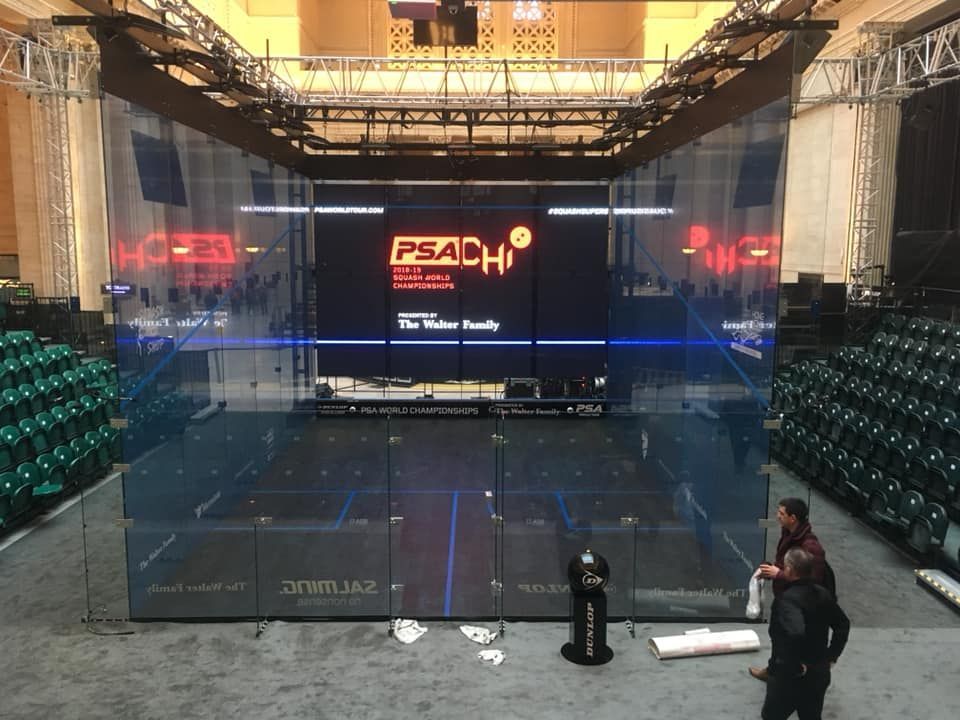
Professional construction also ensures compliance with recognized court dimensions and playing standards, making the facility suitable for recreational use, coaching, league play, and competitive tournaments.
The Key Components of a High-Quality Squash Court
Every squash court is made up of several integrated systems that work together to create a safe and enjoyable playing environment. Focusing on only one aspect of construction while overlooking the others often results in performance issues that become increasingly expensive to correct later.
1. Accurate Court Dimensions
Professional construction begins with precise measurements. Court dimensions must be exact to ensure consistent gameplay and compliance with competition standards. Even minor deviations can affect shot angles, player movement, and the overall experience.
2. Stable Structural Walls
The walls of a squash court must provide uniform ball rebound while remaining resistant to cracking, movement, and impact damage. Proper framing, surface preparation, and finishing techniques are essential for long-term durability.
3. Effective Moisture Control
Indoor sports facilities are constantly exposed to changes in temperature and humidity. Without proper moisture management, hardwood flooring may expand, contract, or warp over time. Professional builders incorporate moisture barriers, ventilation strategies, and environmental controls to help preserve the integrity of the court.
4. Proper Lighting
Lighting significantly affects player performance. Even illumination throughout the court improves visibility, reduces glare, and enhances safety. Modern LED systems provide excellent brightness while reducing long-term energy consumption and maintenance requirements.
The Importance of Professional Squash Court Flooring
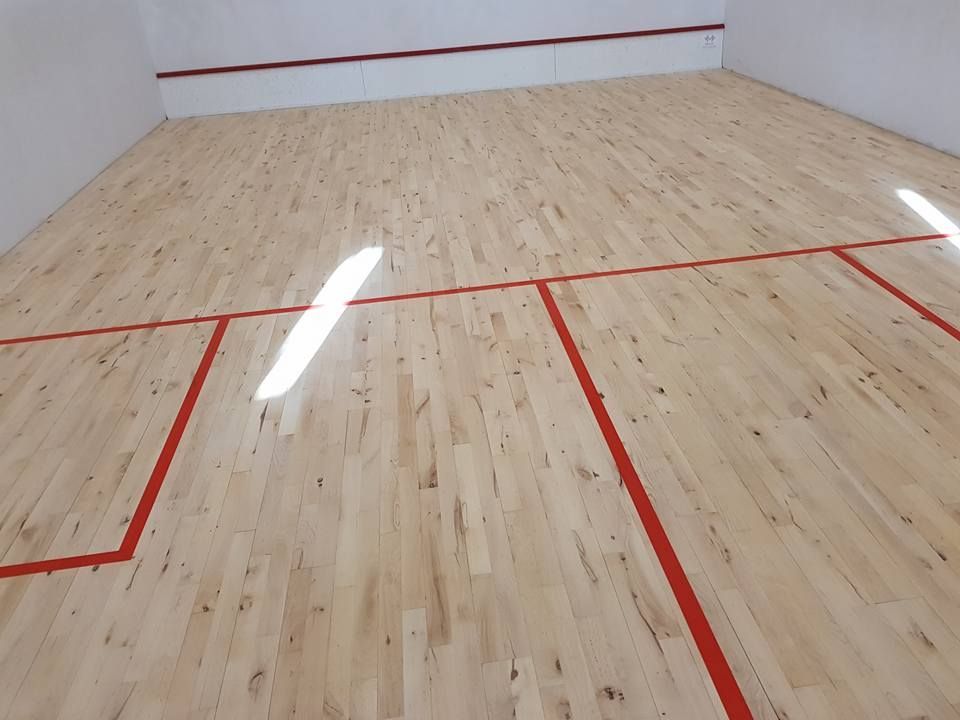
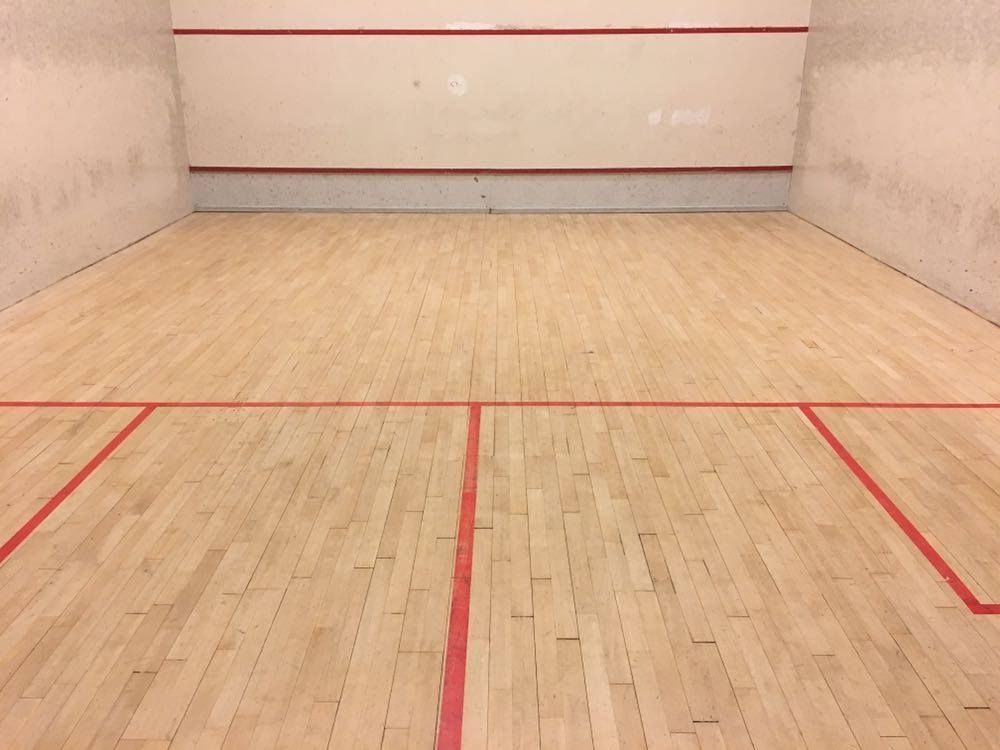
Among all components of a squash court, the flooring system has perhaps the greatest influence on player comfort and safety. Players perform frequent lunges, rapid accelerations, and sudden directional changes during every match, making the choice of flooring especially important.
High-quality professional squash court flooring provides consistent traction, reliable shock absorption, and excellent durability. Premium hardwood systems are specifically designed to withstand years of intensive use while maintaining predictable playing characteristics.
Well-installed flooring also contributes to injury prevention by reducing stress on joints and improving player stability. Combined with proper maintenance, quality flooring can continue performing at a high level for many years before requiring major restoration.
In contrast, low-quality flooring materials or poor installation techniques often lead to squeaking boards, uneven surfaces, slippery finishes, and premature wear. These issues not only affect gameplay but can also create unnecessary safety risks for players of all skill levels.