Cost of Building a Squash Court in the United States
Understanding the cost of building a squash court is a critical step for developers, gym owners, and facility managers planning new sports infrastructure. Budget miscalculations, unexpected material expenses, and overlooked design requirements can significantly increase total project costs. Without a clear financial plan, projects risk delays, compromises in quality, and reduced long-term value.
Professionals in squash court construction recognize that cost planning involves more than initial expenses. This guide provides a comprehensive breakdown of squash court construction costs in the United States, covering materials, labor, customization, and long-term return on investment to help decision-makers plan effectively.
Key Factors That Influence Squash Court Construction Costs
The cost of building a squash court varies depending on several critical factors. Each component contributes to the overall investment and must be carefully evaluated during the planning stage.
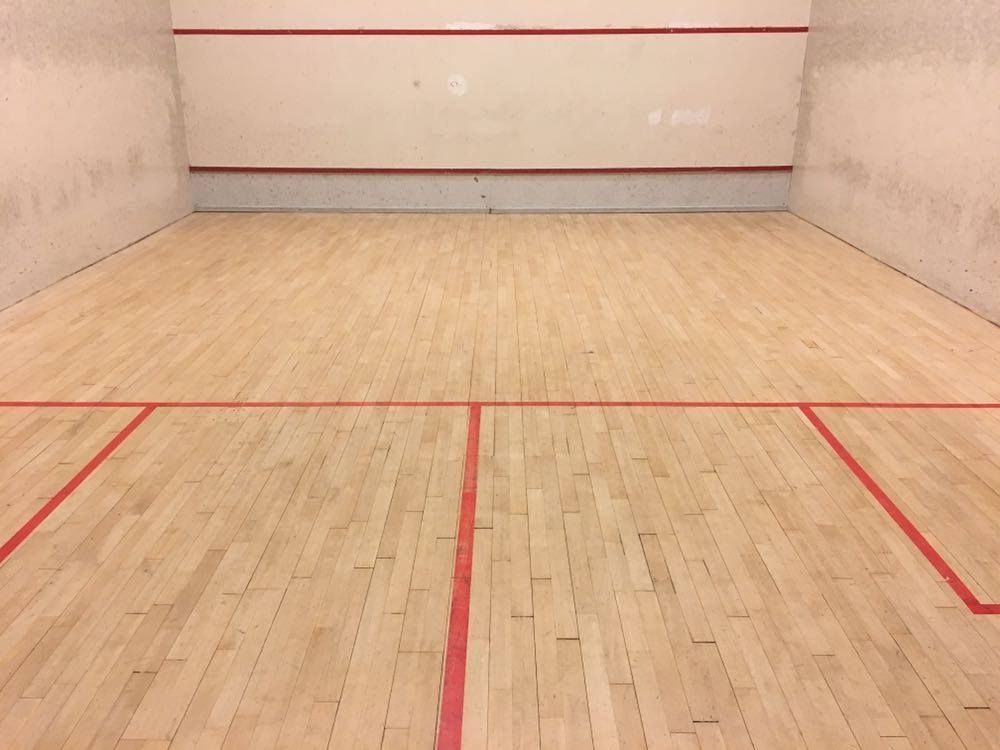
One of the primary cost drivers is the type of court being constructed. Indoor courts generally require higher investment due to structural requirements, climate control systems, and lighting. Outdoor courts may have lower initial costs but often require additional maintenance over time.
Material selection also plays a significant role. High-quality flooring, wall systems, and finishes increase upfront costs but provide better durability and performance. Lower-cost materials may reduce initial expenses but often lead to higher maintenance costs.
Location and site conditions further impact costs. Factors such as land preparation, accessibility, and local regulations can influence labor and construction expenses. Facilities in urban areas may experience higher costs compared to those in less densely populated regions.
Cost Breakdown of Squash Court Construction
A detailed cost breakdown helps decision-makers understand where resources are allocated during the construction process. Each component contributes to the overall budget and must be considered carefully.
| Component | Description | Cost Impact |
|---|---|---|
| Design and Planning | Architectural layout and consultation | Moderate |
| Foundation and Structure | Base construction and wall framework | High |
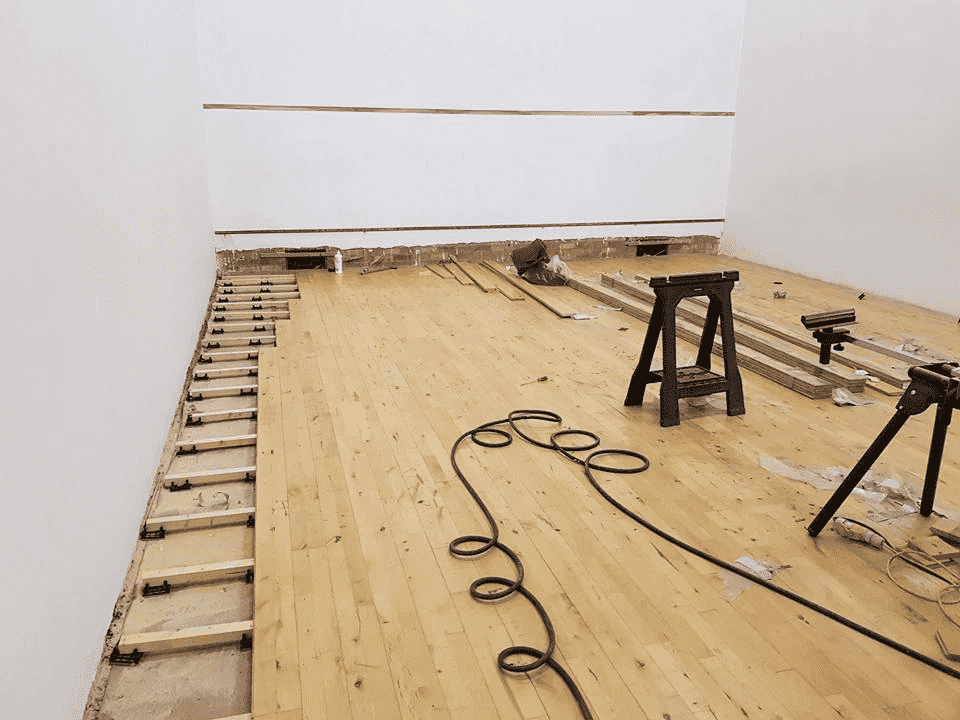
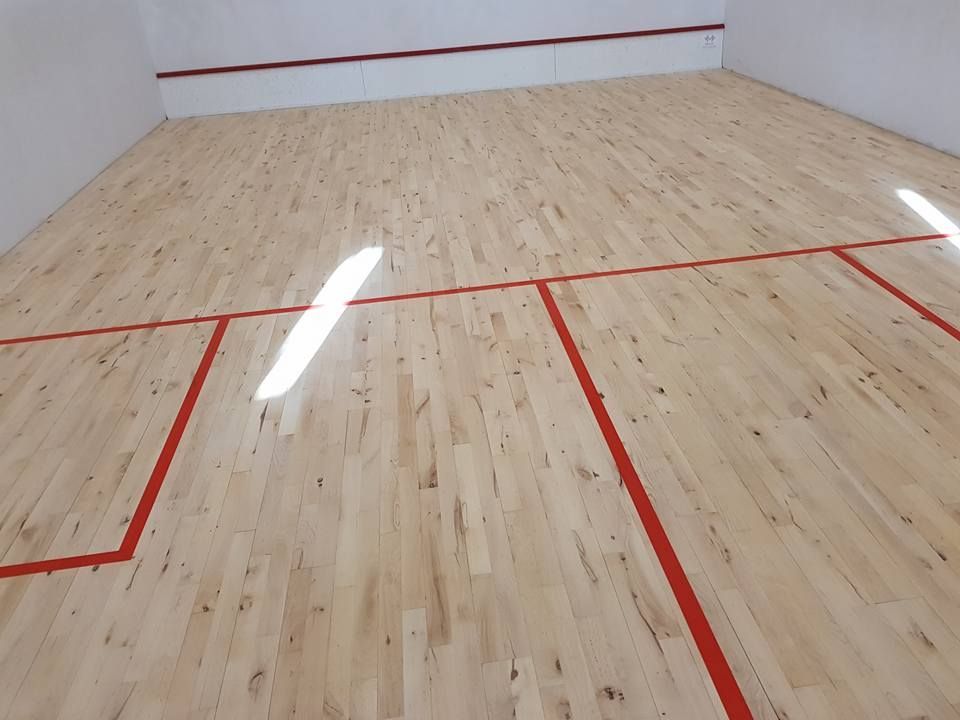
| Flooring | Hardwood or engineered wood installation | High |
| Lighting and Ventilation | Systems for visibility and air quality | Moderate |
| Finishing and Markings | Surface coatings and line painting | Low to Moderate |
This breakdown highlights the importance of allocating resources strategically to achieve the best balance between cost and quality.
Indoor vs Outdoor Court Cost Comparison
The choice between indoor and outdoor squash courts significantly affects overall project costs. Each option has distinct financial considerations that must be evaluated.
| Aspect | Indoor Court | Outdoor Court |
|---|---|---|
| Initial Cost | Higher | Lower |
| Maintenance | Lower | Higher |
| Durability | High | Moderate |
| Performance | Consistent | Variable |
While indoor courts require a higher upfront investment, they often provide better long-term value due to reduced maintenance and consistent performance.
Additional Costs to Consider
Beyond core construction expenses, several additional costs can impact the total investment. These factors should be included in the planning process to avoid unexpected expenses.
- Permits and Regulations: Compliance with local building codes and regulations.
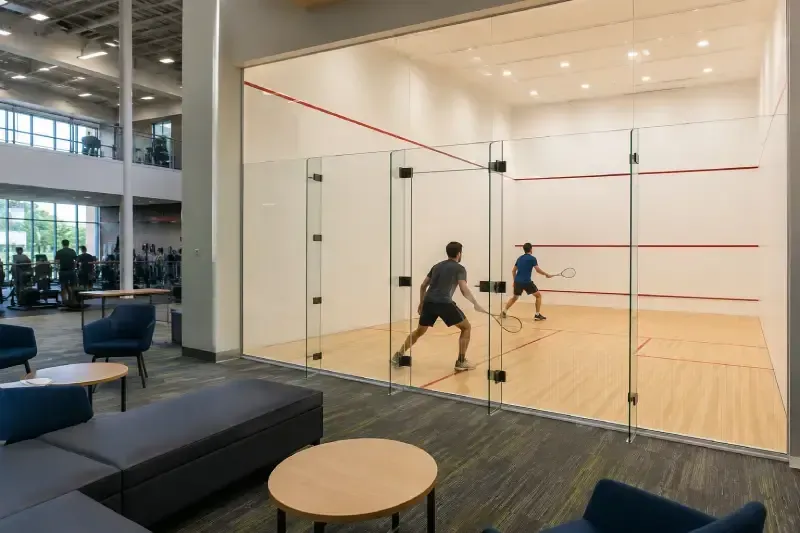
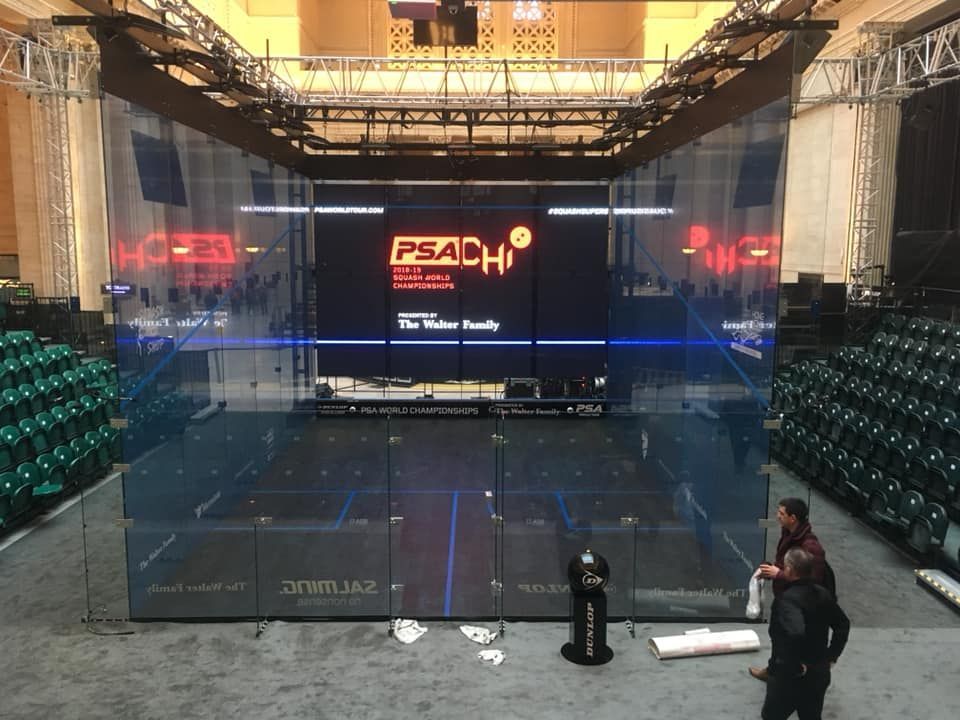
- Customization Features: Glass walls, seating areas, and advanced lighting systems.
- Climate Control Systems: Air conditioning and ventilation for indoor courts.
- Maintenance Equipment: Tools and supplies for ongoing upkeep.
Accounting for these additional costs ensures a more accurate budget and smoother project execution.
Long-Term Return on Investment
Investing in squash court construction offers significant long-term benefits. High-quality courts attract users, increase property value, and generate revenue for commercial facilities.
Gyms and sports centers often see increased membership and engagement after adding squash courts. Residential communities benefit from enhanced amenities, making properties more attractive to potential buyers.
In 2026, demand for recreational facilities continues to grow, making squash courts a valuable addition to various types of properties. Proper planning and quality construction maximize return on investment and ensure long-term success.
Cost-Saving Strategies Without Compromising Quality
Managing costs effectively does not mean sacrificing quality. Strategic decisions can help reduce expenses while maintaining high standards.
- Efficient Design: Optimize layout to reduce material waste.
- Material Selection: Choose durable materials that minimize long-term maintenance.
- Professional Expertise: Work with experienced contractors to avoid costly mistakes.
- Preventive Maintenance: Invest in upkeep to extend lifespan and reduce repair costs.
These strategies help ensure that projects remain within budget while delivering reliable performance.
Plan Smart, Build Better
Understanding the cost of building a squash court allows decision-makers to plan effectively and achieve long-term value. By considering factors such as materials, design, and maintenance, facilities can optimize their investment and ensure consistent performance. Strategic planning reduces risks and enhances overall project success. Organizations looking to move forward with confidence can benefit from expert squash court builders who deliver high-quality construction tailored to specific needs.
Frequently Asked Questions
How much does it cost to build a squash court?
The cost varies depending on design, materials, and location, but it generally involves significant investment due to specialized construction requirements.
What is the most expensive part of squash court construction?
Flooring and structural construction are typically the most expensive components due to material quality and precision requirements.
Are indoor squash courts more expensive than outdoor courts?
Yes, indoor courts require additional systems such as lighting and climate control, resulting in higher initial costs.
Can costs be reduced without affecting quality?
Yes, through efficient design, proper material selection, and professional construction, costs can be managed without compromising performance.
Is building a squash court a good investment?
Yes, squash courts can increase property value, attract users, and generate revenue, making them a valuable long-term investment.