Step-by-Step Squash Court Construction Process
Constructing a squash court requires more than standard building practices. Developers and facility managers often encounter challenges such as improper planning, structural inaccuracies, and material selection errors that can compromise performance and longevity. Without a structured construction approach, courts may fail to meet professional standards, leading to increased maintenance costs and reduced user satisfaction.
Professionals in sports facility development recognize that squash court construction demands precision, specialized materials, and careful execution at every stage. This guide outlines the complete squash court construction process, providing decision-makers with a clear understanding of planning, site preparation, installation, and quality control to ensure durable, high-performance courts.
Planning and Design Phase
The construction process begins with comprehensive planning and design. This phase establishes the foundation for the entire project, ensuring that all requirements are clearly defined before construction begins. Proper planning reduces the risk of costly adjustments later in the process.
Key considerations include site dimensions, budget allocation, intended usage, and compliance with international squash court standards. Designers must also account for structural elements such as ceiling height, wall alignment, and floor support systems.
In 2026, advanced design tools allow for precise modeling and visualization, enabling stakeholders to evaluate layouts and make informed decisions. This phase also includes selecting materials, determining ventilation and lighting systems, and planning access points.
A well-executed design phase ensures that the construction process proceeds smoothly and meets performance expectations.
Site Preparation and Foundation Work
Once the design is finalized, the next step in squash court construction is site preparation. This stage involves clearing the area, leveling the ground, and preparing the foundation to support the court structure.
A strong and stable foundation is critical for long-term durability. Any inconsistencies in the base can lead to structural issues, affecting both the walls and flooring. Proper drainage and moisture control are also essential, particularly for indoor courts.
Construction teams must ensure that the site meets all structural requirements before proceeding. This includes verifying load-bearing capacity and ensuring that the foundation aligns with the design specifications.
Thorough site preparation minimizes the risk of future complications and provides a solid base for the construction process.
Structural Framework and Wall Construction
The structural framework forms the backbone of the squash court. Walls must be constructed with precision to ensure accurate dimensions and consistent ball rebound. Even minor misalignments can significantly impact gameplay.
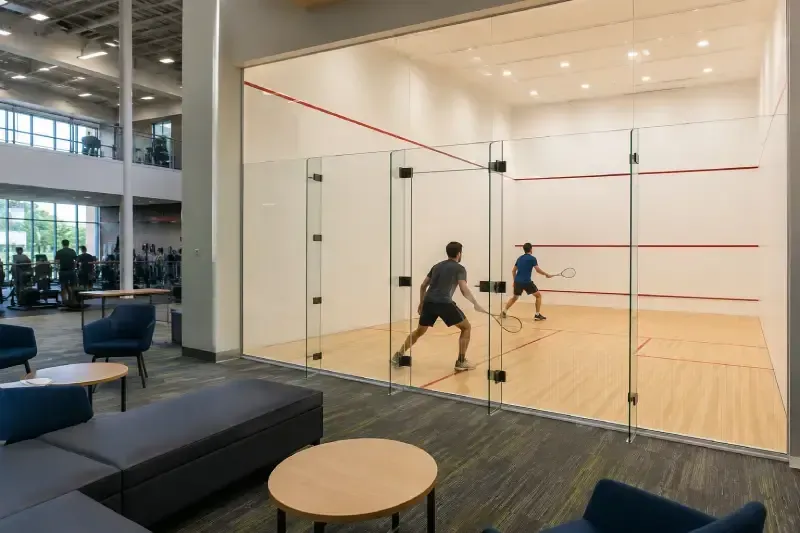
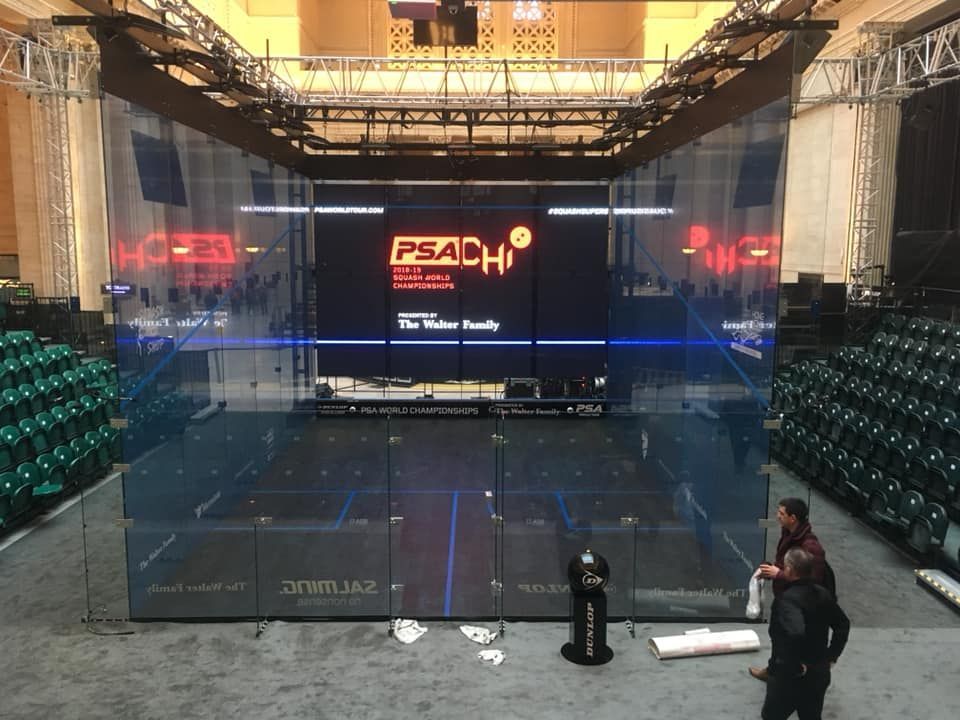
Common materials used for walls include plastered masonry and prefabricated panel systems. These materials provide smooth, durable surfaces that meet performance standards. The back wall is often constructed using reinforced glass to allow visibility while maintaining strength.
During this phase, contractors must ensure that all walls are perfectly aligned and securely installed. Proper sealing and finishing are also essential to maintain surface quality and durability.
This stage requires specialized expertise to achieve the level of precision necessary for professional-grade courts.
Floor Installation and Performance Optimization
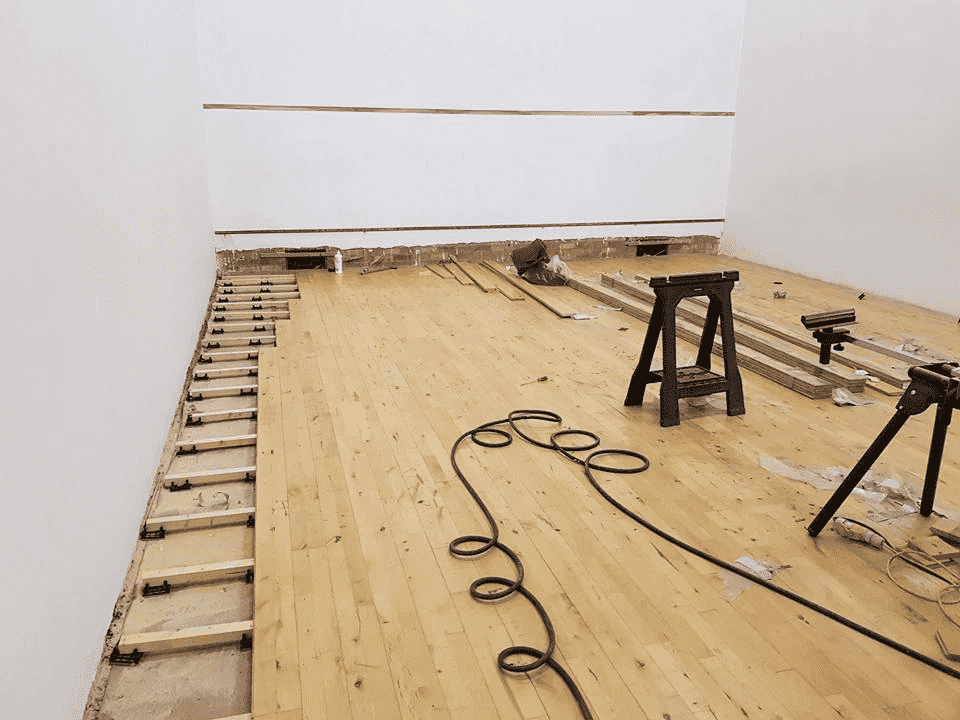
Flooring is one of the most critical components of squash court construction. It directly affects player movement, safety, and ball behavior. High-quality flooring ensures consistent performance and reduces the risk of injury.
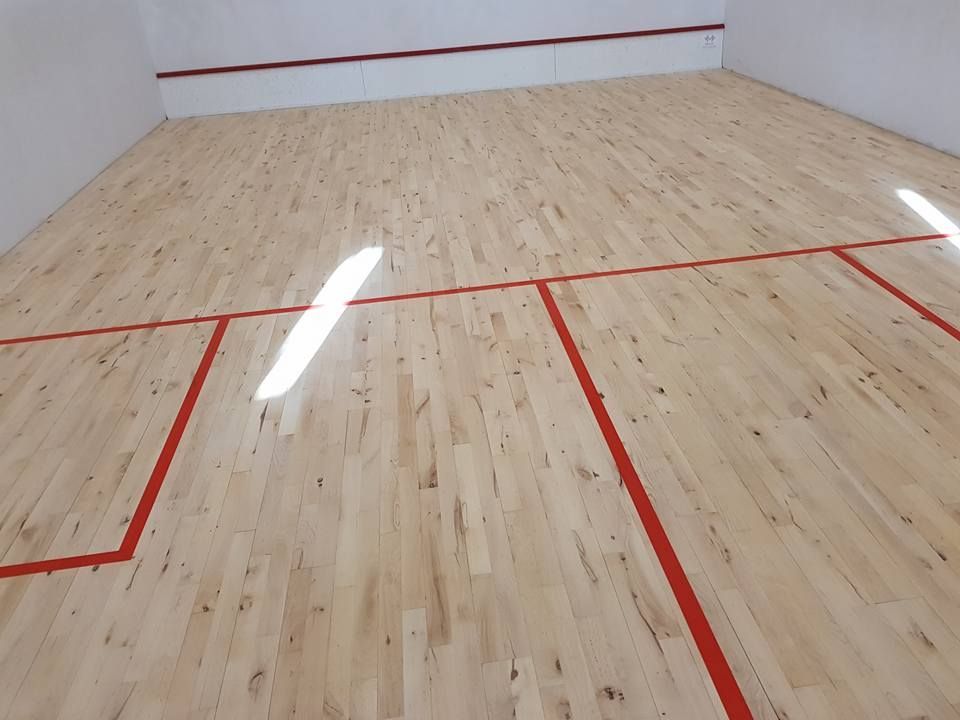
Hardwood flooring is widely used due to its durability and shock absorption properties. Engineered wood is also a popular option, offering enhanced stability in varying environmental conditions. Both materials must be installed with precision to ensure a level and uniform surface.
Subfloor systems play an important role in performance optimization. These systems provide additional support and cushioning, improving player comfort and reducing impact stress.
Proper installation and finishing of the floor are essential to achieving optimal playing conditions.
Lighting and Ventilation System Installation
Lighting and ventilation are integral to the functionality of a squash court. Proper lighting ensures visibility without glare, allowing players to track the ball accurately. LED lighting systems are commonly used for their efficiency and long lifespan.
Ventilation systems maintain air quality and temperature control, creating a comfortable environment for players. Poor ventilation can lead to humidity buildup, affecting both player comfort and material durability.
Lighting fixtures must be strategically positioned to provide even illumination across the court. Similarly, ventilation systems should be designed to operate efficiently without disrupting the aesthetics of the space.
Integrating these systems effectively enhances both performance and user experience.
Surface Finishing and Court Markings
Once the structural and mechanical components are in place, the next step is surface finishing and marking. Walls are coated with specialized finishes that provide a smooth surface for consistent ball rebound.
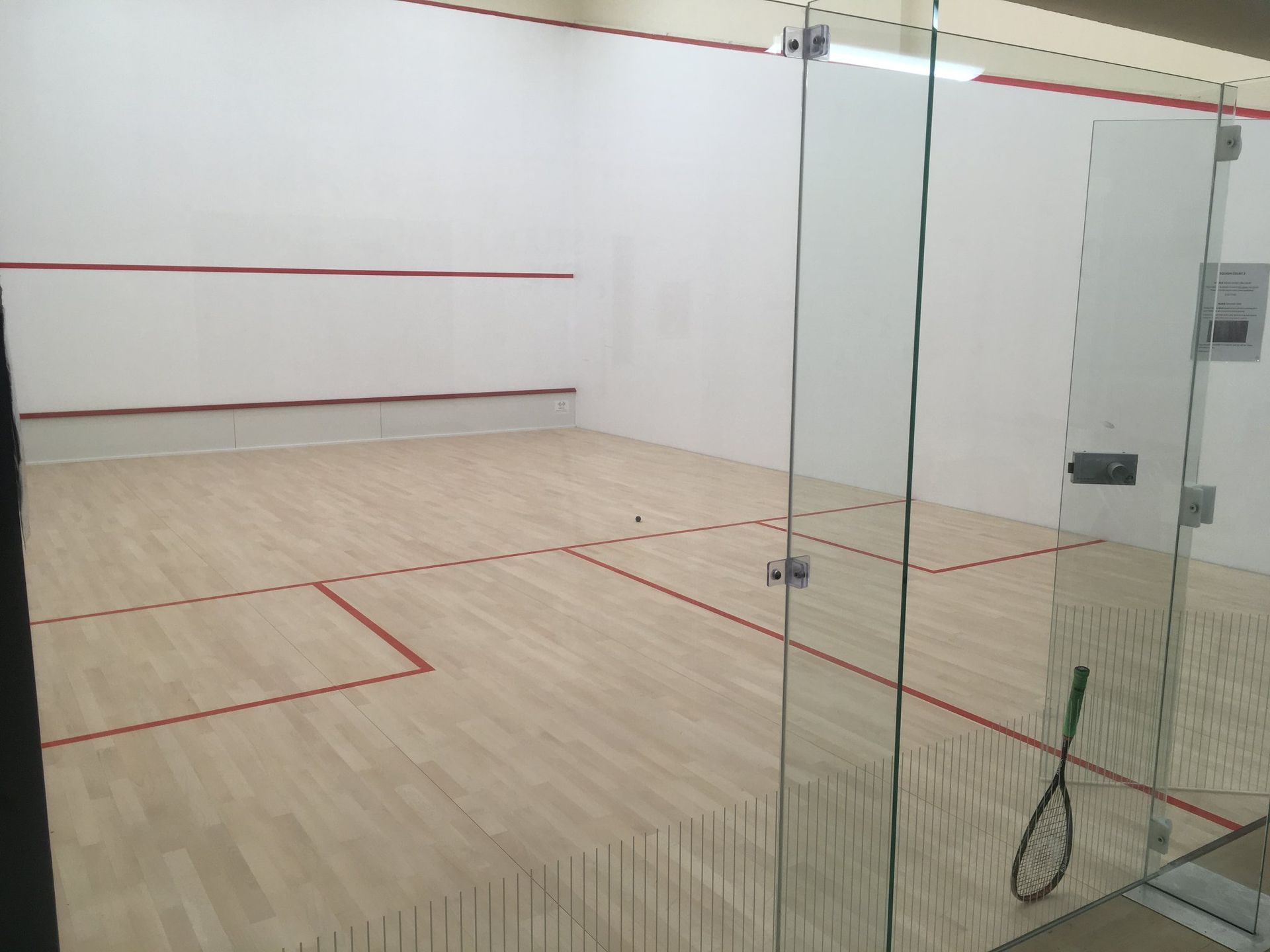
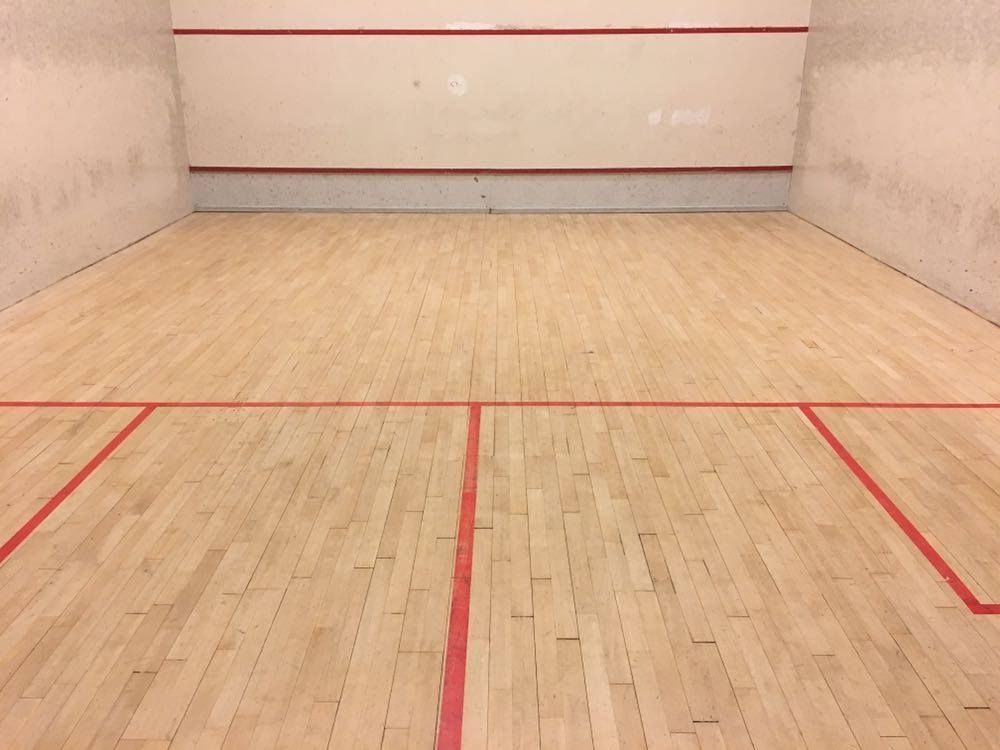
Floor markings are applied with precision to define service lines, out-of-court lines, and other key areas. These markings must be durable and clearly visible to ensure accurate gameplay.
Finishing materials are selected for their durability and resistance to wear. Non-marking paints and coatings are commonly used to maintain the court’s appearance and performance over time.
This stage ensures that the court meets both functional and aesthetic standards.
Quality Inspection and Compliance Checks
Before the court is ready for use, it must undergo a thorough quality inspection. This step ensures that all components meet industry standards and design specifications.
Inspectors evaluate wall alignment, floor performance, lighting conditions, and ventilation systems. Any discrepancies are addressed to ensure optimal functionality. Compliance with safety and performance standards is critical for both recreational and competitive use.
In 2026, advanced inspection techniques allow for detailed analysis of court conditions, ensuring that all elements meet required benchmarks. This step is essential for delivering a high-quality final product.
A comprehensive inspection process guarantees that the court is ready for use and meets expectations.
Common Challenges in Squash Court Construction
Despite careful planning, several challenges can arise during the construction process. Identifying and addressing these challenges early is essential for maintaining project quality and timelines.
- Alignment Issues: Even slight deviations in wall alignment can affect gameplay.
- Material Selection Errors: Using low-quality materials can lead to durability problems.
- Inadequate Ventilation: Poor airflow can impact player comfort and court conditions.
- Lighting Imbalances: Improper lighting placement can create glare and shadows.
- Budget Constraints: Cutting costs may compromise long-term performance.
Addressing these challenges requires experienced professionals and a commitment to quality at every stage.
Build with Precision and Confidence
Successful squash court construction depends on careful planning, expert execution, and attention to detail at every stage. From foundation work to final inspection, each step plays a critical role in delivering a durable and high-performance facility. Organizations that prioritize quality and precision benefit from long-term reliability and reduced maintenance costs. Investing in professional squash court construction services ensures that projects meet industry standards while delivering lasting value.
Frequently Asked Questions
How long does the squash court construction process take?
The construction timeline varies depending on project complexity, but most courts can be completed within several weeks to a few months with proper planning and execution.
What is the most important step in squash court construction?
Every stage is important, but planning and design are critical as they determine the overall structure, materials, and performance of the court.
Why is precision important in wall construction?
Accurate wall alignment ensures consistent ball rebound, which is essential for fair and professional gameplay.
Can squash courts be built indoors and outdoors?
Yes, but indoor courts are more common due to controlled conditions and consistent performance, while outdoor courts require additional maintenance.
What factors affect the quality of a squash court?
Key factors include material quality, construction precision, proper lighting, ventilation systems, and regular maintenance.