Squash Court Maintenance Guide for Long-Term Performance
Maintaining a squash court is essential for preserving performance, safety, and long-term value. Many facilities experience issues such as worn flooring, faded lines, and structural damage due to inconsistent upkeep. Without a structured maintenance plan, even well-constructed courts can deteriorate quickly, leading to costly repairs and reduced usability.
Professionals in sports facility management understand that squash court maintenance requires routine care, periodic restoration, and proactive inspections. This guide provides a comprehensive overview of squash court maintenance practices, helping decision-makers implement effective strategies that ensure durability, optimal performance, and extended lifespan.
Why Squash Court Maintenance Is Critical
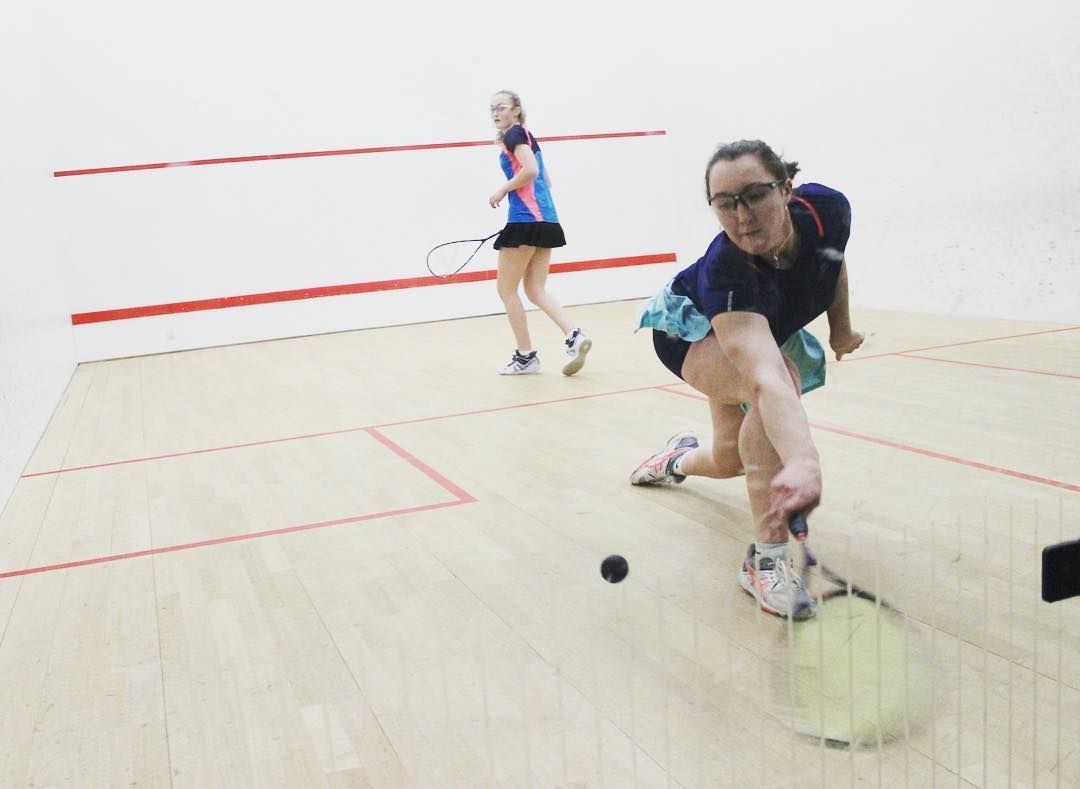
Regular squash court maintenance ensures that the playing surface remains safe, consistent, and visually appealing. Courts are subject to constant impact, friction, and environmental factors, all of which contribute to wear over time. Without proper care, these factors can compromise both performance and safety.
Maintenance also plays a key role in protecting the initial investment. High-quality courts require ongoing attention to maintain their structural integrity and performance standards. Facilities that neglect maintenance often face higher long-term costs due to frequent repairs and replacements.
In 2026, facility managers increasingly prioritize preventive maintenance strategies to minimize downtime and extend the lifespan of sports infrastructure. A proactive approach ensures that courts remain functional and attractive for users.
Daily and Weekly Cleaning Practices
Routine cleaning is the foundation of effective squash court maintenance. Regular cleaning prevents dirt buildup, reduces surface wear, and maintains optimal playing conditions.
- Dust Removal: Floors should be vacuumed or swept to remove debris that can cause scratches.
- Damp Mopping: A lightly damp mop helps maintain cleanliness without damaging the surface.
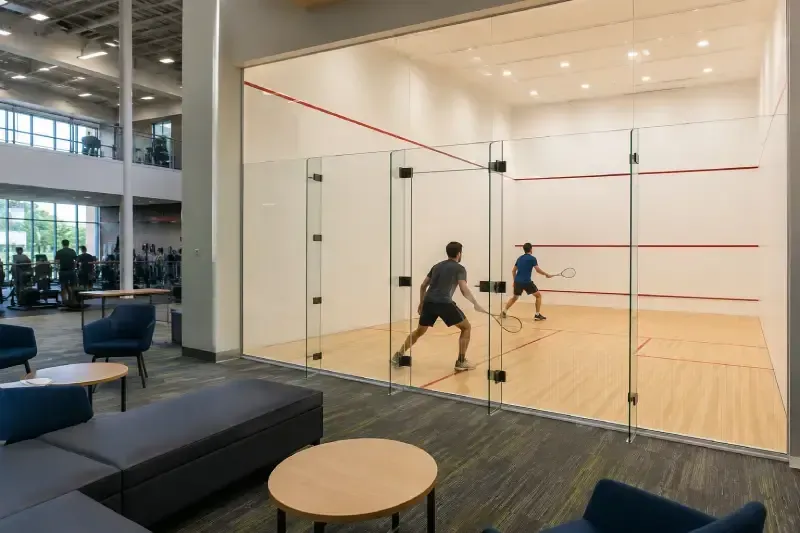
- Wall Cleaning: Walls and glass panels should be wiped to remove marks and maintain visibility.
- Door Maintenance: Handles and frames should be cleaned to ensure smooth operation.
Consistency in cleaning routines helps preserve the court’s appearance and prevents minor issues from developing into major problems.
Floor Maintenance and Refinishing
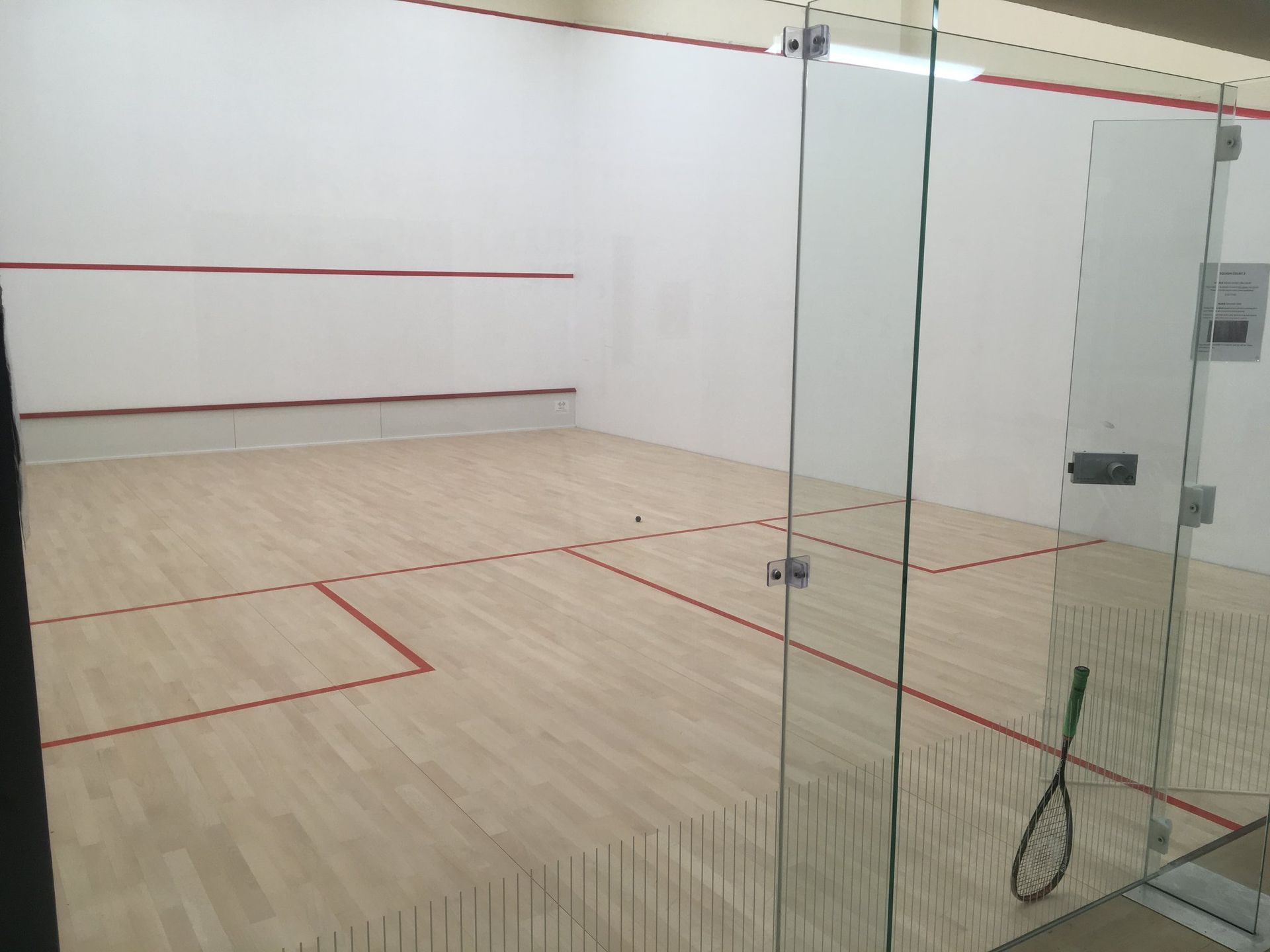
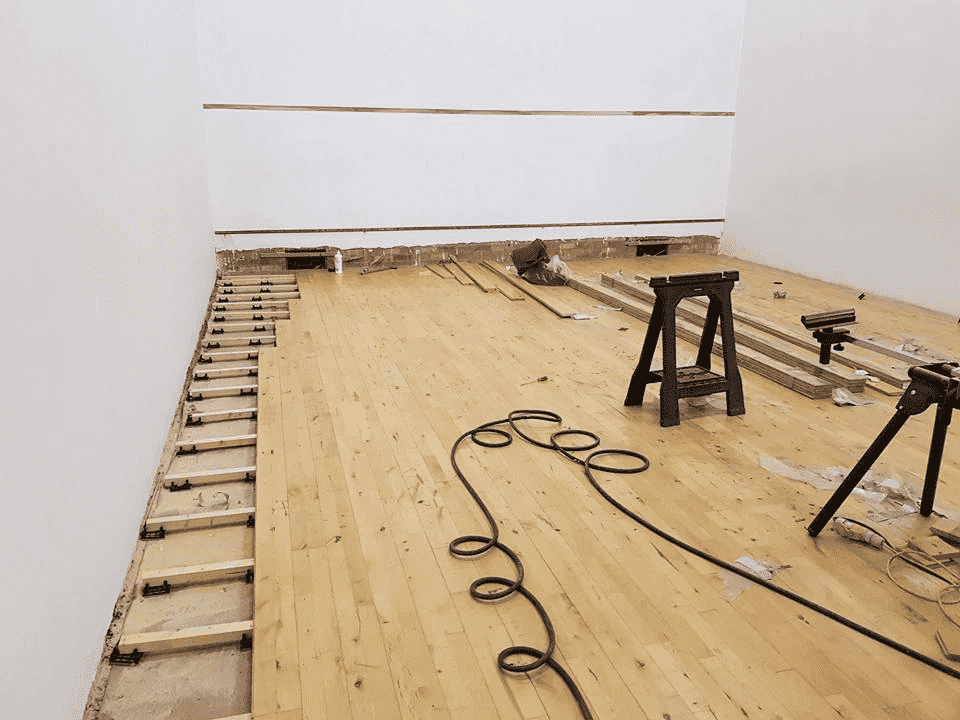
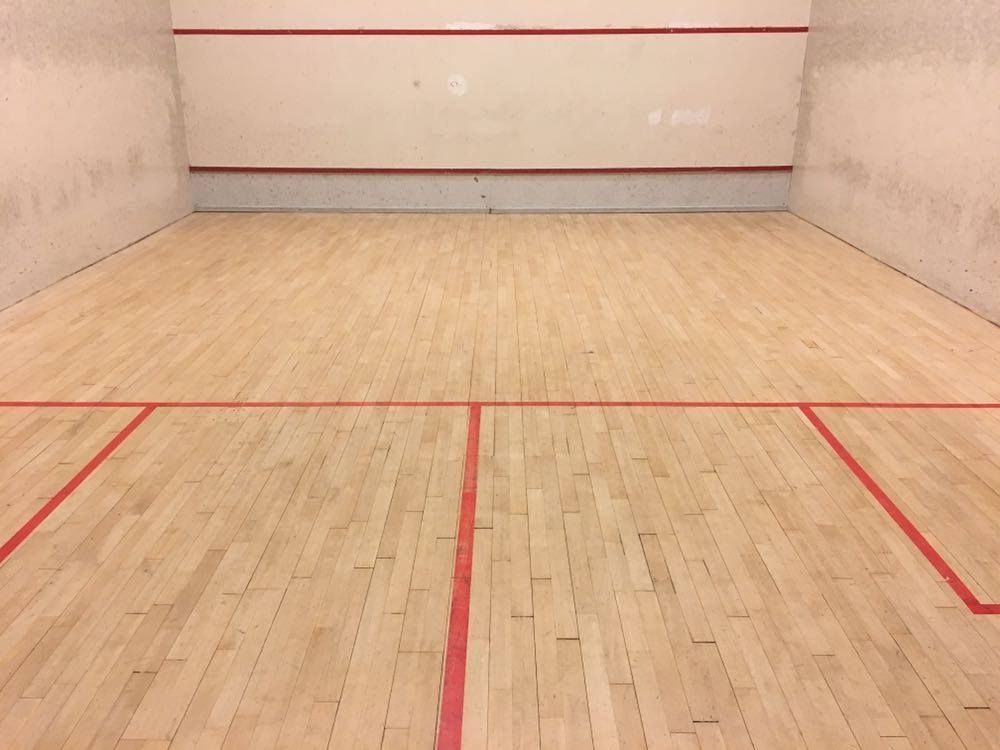
The flooring is one of the most heavily used components of a squash court, making it a priority in maintenance efforts. Over time, floors can lose their finish, develop scratches, and experience reduced performance.
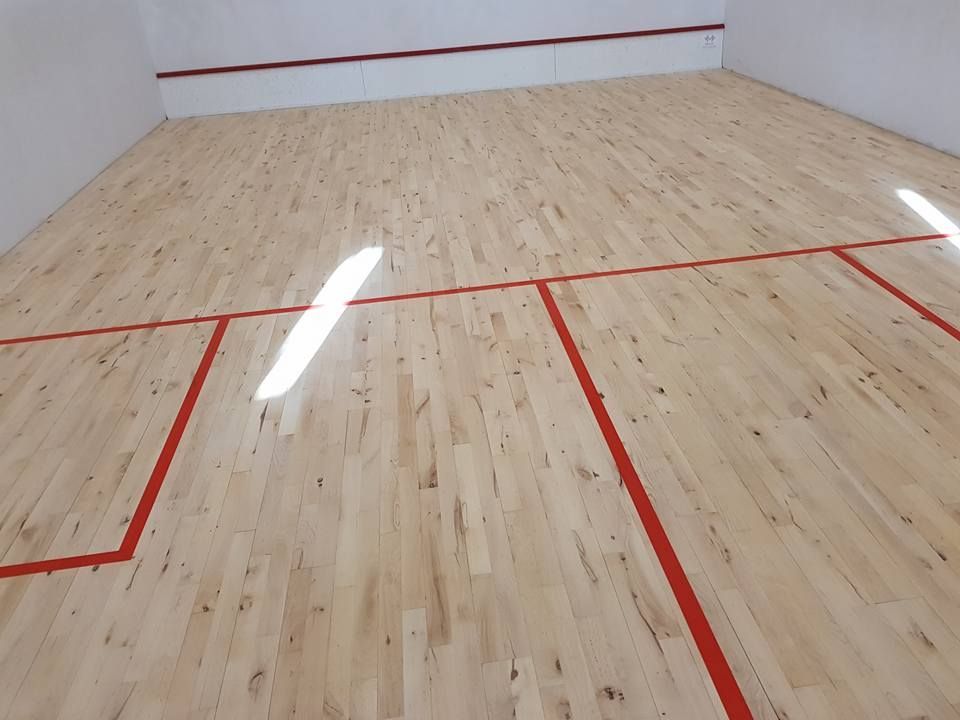
Periodic sanding and refinishing restore the surface, improving both appearance and functionality. This process removes imperfections and applies a protective layer that enhances durability. The frequency of refinishing depends on usage levels, but it is a critical step in long-term maintenance.
Facility managers should monitor the condition of the flooring regularly to determine when refinishing is required. Prompt action helps maintain consistent gameplay and prevents further damage.
Wall and Surface Maintenance
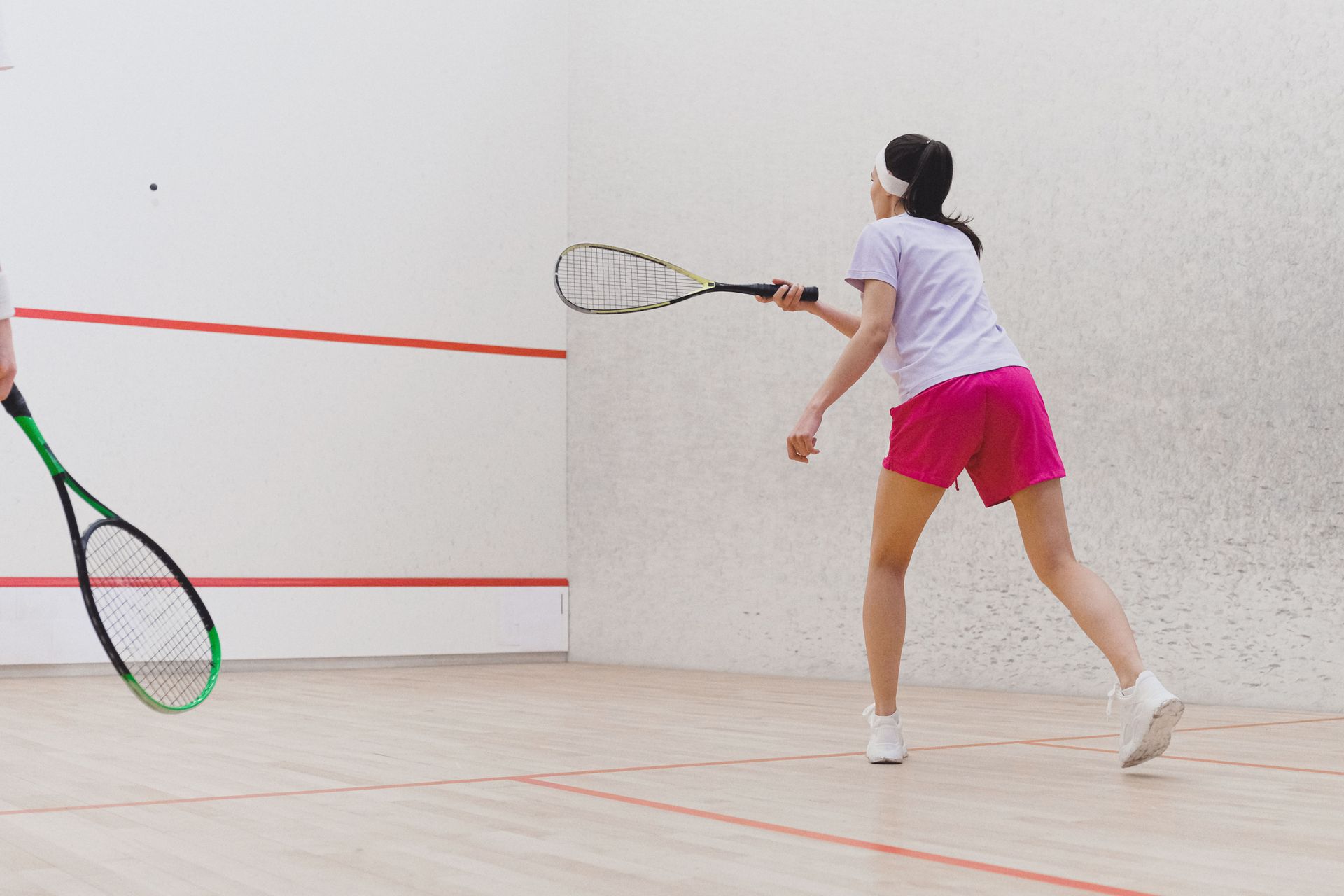
Walls play a crucial role in squash court performance, as they directly influence ball rebound. Maintaining smooth and even wall surfaces is essential for consistent gameplay.
Over time, walls may develop marks, cracks, or surface irregularities. Regular cleaning helps maintain their appearance, while periodic repainting restores their functionality. Non-marking, durable paints are typically used to ensure longevity.
Structural issues, such as cracks or alignment problems, should be addressed promptly. Ignoring these issues can lead to more significant damage and affect gameplay quality.
Lighting and Ventilation Maintenance
Lighting and ventilation systems are essential for maintaining a comfortable and functional playing environment. Poor lighting can create glare and shadows, while inadequate ventilation can lead to humidity buildup and discomfort.
Regular inspection of lighting fixtures ensures consistent illumination across the court. Replacing faulty bulbs and maintaining proper alignment are key aspects of lighting maintenance.
Ventilation systems should be checked to ensure efficient airflow and temperature control. Proper maintenance of these systems contributes to player comfort and protects the court’s materials from environmental damage.
Annual Inspection and Preventive Maintenance
In addition to routine cleaning, squash courts require periodic inspections to identify potential issues early. Annual inspections provide an opportunity to assess the overall condition of the court and plan necessary maintenance activities.
Key inspection areas include flooring, walls, lighting, ventilation, and structural components. Identifying wear and damage early allows for timely repairs, preventing more extensive issues.
Preventive maintenance strategies help extend the lifespan of the court and reduce long-term costs. Facilities that implement regular inspections often achieve better performance and reliability.
Common Maintenance Challenges
Maintaining a squash court involves addressing various challenges that can impact performance and durability. Understanding these challenges is essential for effective management.
- High Usage: Frequent use accelerates wear and requires more frequent maintenance.
- Environmental Factors: Humidity and temperature changes can affect materials.
- Delayed Repairs: Ignoring minor issues can lead to significant damage.
- Inadequate Cleaning: Poor cleaning practices reduce surface quality and lifespan.
Addressing these challenges requires a proactive approach and a commitment to regular upkeep.
Long-Term Maintenance Planning
Effective squash court maintenance involves long-term planning to ensure consistent performance and cost efficiency. Facilities should develop a structured maintenance schedule that includes daily, weekly, and annual tasks.
Budgeting for maintenance is also essential. Allocating resources for routine care and periodic upgrades helps avoid unexpected expenses. Investing in high-quality materials and professional services further enhances long-term results.
In 2026, advanced maintenance strategies focus on sustainability and efficiency, ensuring that courts remain functional while minimizing environmental impact.
Keep Your Court in Peak Condition
Consistent squash court maintenance is essential for preserving performance, safety, and long-term value. Facilities that prioritize routine cleaning, timely repairs, and preventive strategies achieve better durability and user satisfaction. A proactive approach reduces costs and ensures uninterrupted operation. Organizations seeking reliable results can benefit from custom squash court solutions designed to maintain high-quality playing conditions and extend the lifespan of their courts.
Frequently Asked Questions
How often should a squash court be cleaned?
Squash courts should be cleaned regularly, with daily or weekly routines depending on usage. Consistent cleaning helps maintain performance and prevent damage.
When should squash court flooring be refinished?
Refinishing is typically required periodically based on wear and usage levels. Regular inspections help determine the appropriate timing.
Why is wall maintenance important?
Walls affect ball rebound and gameplay. Maintaining smooth and even surfaces ensures consistent performance and player satisfaction.
What are common maintenance issues in squash courts?
Common issues include worn flooring, faded lines, poor lighting, and ventilation problems. Addressing these issues early prevents costly repairs.
How can maintenance costs be reduced?
Implementing preventive maintenance, using high-quality materials, and addressing issues promptly can significantly reduce long-term costs.