Squash Court Renovation and Repair Guide

Carl Altura • April 10, 2026

Over time, even well-constructed squash courts begin to show signs of wear that affect performance and safety. Issues such as faded lines, worn flooring, and surface damage can reduce play quality and increase the risk of injuries. Facility owners often face the challenge of deciding whether to repair, renovate, or completely rebuild their courts.

Professionals in sports facility management recognize that squash court renovation offers a cost-effective way to restore performance without the expense of full reconstruction. This guide explores when renovation is necessary, the repair process, cost considerations, and best practices to extend the life of existing courts while maintaining professional standards.

When Does a Squash Court Need Renovation?

Identifying the right time for squash court renovation is essential to maintaining performance and avoiding costly structural issues. Courts typically show visible signs of wear after years of consistent use, especially in high-traffic facilities.

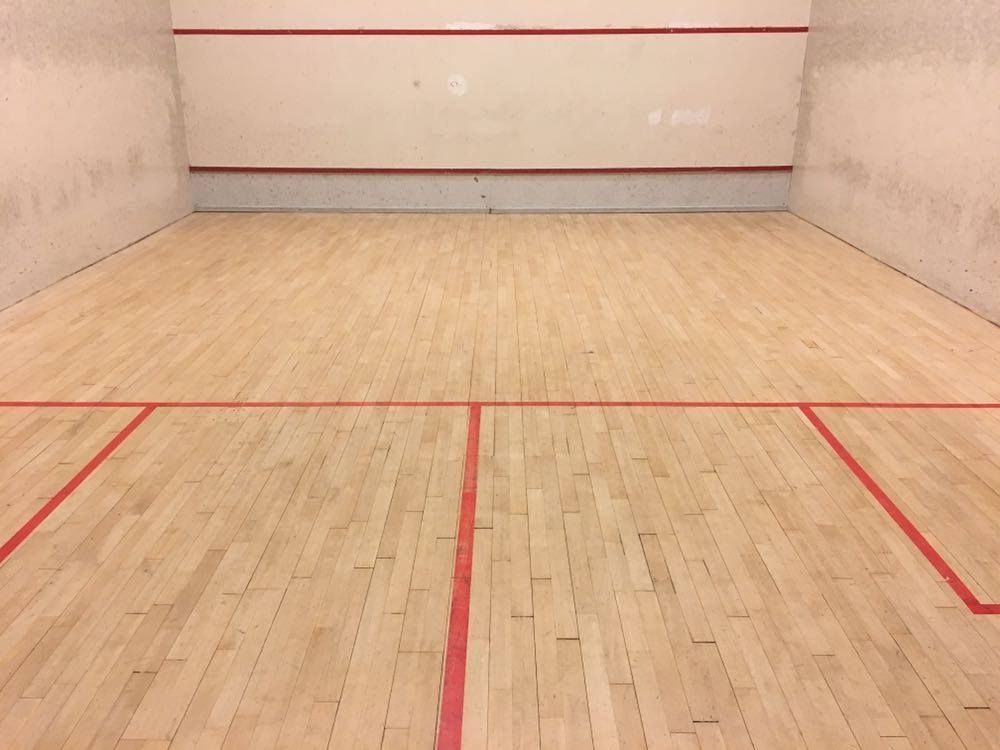
Common indicators include fading court lines, reduced floor traction, visible cracks on walls, and worn surface finishes. These issues not only affect gameplay but can also pose safety risks to players. Ignoring early warning signs often leads to more extensive damage that requires significant investment.

In 2026, facility managers increasingly rely on regular inspections to determine when renovation is needed. Early intervention allows for targeted repairs, minimizing downtime and preserving the overall structure of the court.

Squash Court Repair vs Full Renovation

Understanding the difference between minor repairs and full renovation helps decision-makers choose the most cost-effective solution. Repairs typically address specific issues, while renovation involves a more comprehensive upgrade of the court.

Aspect Repair Renovation
Scope Targeted fixes Comprehensive upgrade
Cost Lower Moderate
Time Shorter Longer
Result Temporary improvement Like-new condition

While repairs are suitable for minor issues, renovation is recommended when multiple components of the court require attention.

Key Areas Addressed in Squash Court Renovation

A comprehensive squash court renovation focuses on restoring all critical components to ensure optimal performance. Each element plays a role in maintaining the overall quality of the court.

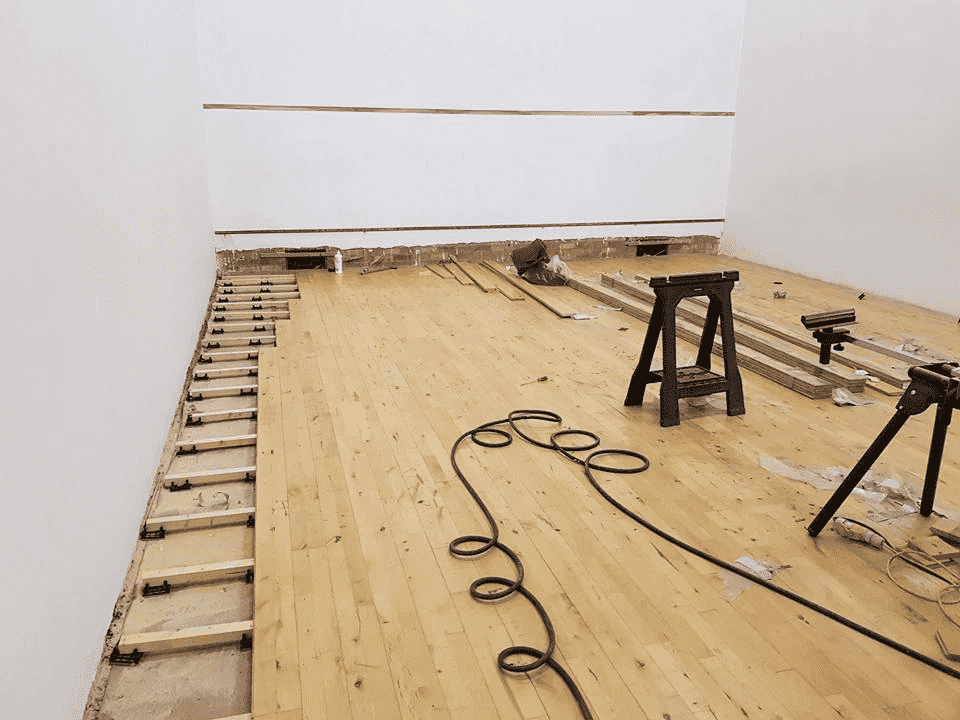
  • Flooring: Sanding, refinishing, or replacing worn surfaces to restore traction and appearance.
  • Wall Surfaces: Repairing cracks and repainting to ensure smooth and consistent ball rebound.
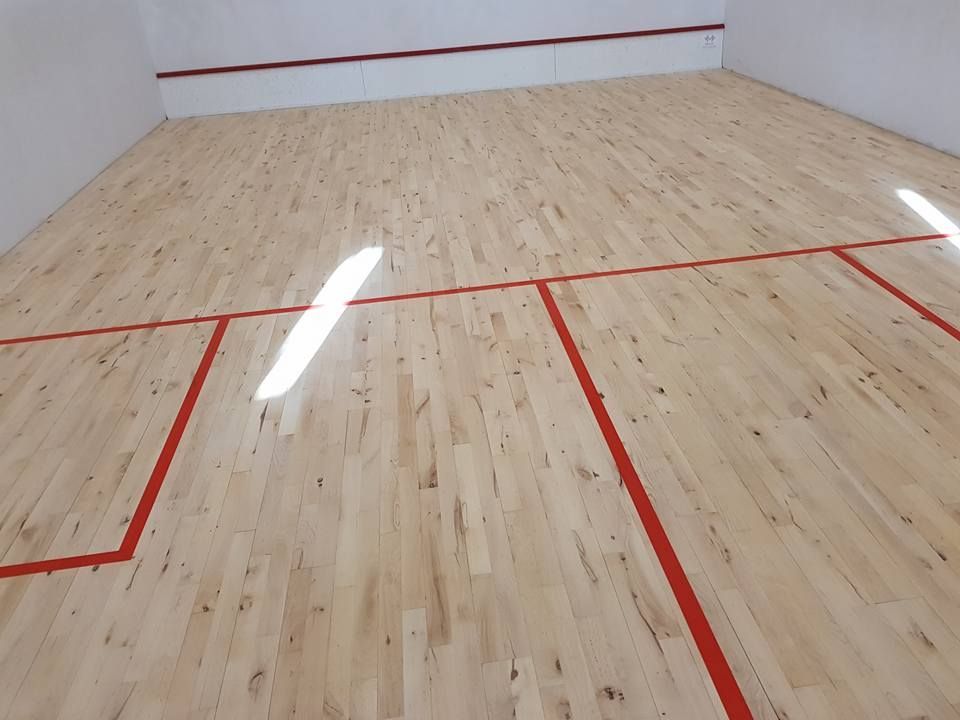
  • Court Markings: Repainting lines for clarity and accuracy.
  • Lighting Systems: Upgrading fixtures to improve visibility and energy efficiency.
  • Ventilation: Enhancing airflow to maintain comfort and protect materials.

Addressing these areas ensures that the court meets modern standards and provides a high-quality playing experience.

The Squash Court Renovation Process

The renovation process involves several stages, each designed to restore the court’s performance and durability. A structured approach ensures efficiency and quality results.

  1. Inspection and Assessment: A detailed evaluation identifies areas that require repair or replacement.
  2. Surface Preparation: Existing finishes are removed to prepare surfaces for restoration.
  3. Repairs: Structural issues such as cracks or uneven surfaces are addressed.
  4. Refinishing: Floors and walls are treated with new coatings and finishes.
  5. Marking and Final Touches: Court lines are repainted, and final adjustments are made.

Each step requires precision and expertise to ensure that the final result meets performance expectations.

Cost Considerations for Renovation

The cost of squash court renovation varies depending on the extent of work required. Factors such as material quality, labor, and additional upgrades influence the overall investment.

Basic renovations, such as sanding and repainting, are relatively affordable. More extensive upgrades, including flooring replacement and structural repairs, require a higher budget. However, renovation is generally more cost-effective than constructing a new court.

Facilities that invest in timely renovation often benefit from extended court lifespan and improved user satisfaction, making it a valuable long-term strategy.

Common Renovation Mistakes to Avoid

Several mistakes can compromise the success of a squash court renovation. Avoiding these issues is essential for achieving optimal results.

  • Delaying Renovation: Waiting too long can lead to more extensive damage.
  • Using Low-Quality Materials: Reduces durability and performance.
  • Ignoring Structural Issues: Surface-level fixes do not address underlying problems.
  • Poor Planning: Leads to inefficiencies and increased costs.

Working with experienced professionals helps ensure that renovations are completed effectively and efficiently.

Extending the Life of Renovated Courts

After renovation, proper maintenance is essential to preserve the results and extend the court’s lifespan. Regular cleaning, periodic inspections, and timely repairs help maintain performance.

Facilities should implement a maintenance schedule that includes routine care and preventive measures. Investing in high-quality materials during renovation also contributes to long-term durability.

In 2026, sustainable renovation practices are becoming more common, focusing on energy efficiency and environmentally friendly materials. These approaches not only improve performance but also reduce operational costs.

Restore Performance Without Rebuilding

Squash court renovation offers a practical solution for restoring performance, improving safety, and extending the life of existing facilities. By addressing key areas such as flooring, walls, and lighting, facilities can achieve near-new conditions without the expense of full reconstruction. Strategic renovation ensures long-term value and user satisfaction. Organizations seeking reliable results can benefit from professional squash court construction services tailored to renovation and repair needs.

Frequently Asked Questions

How often should a squash court be renovated?

Renovation frequency depends on usage, but courts typically require updates after several years to maintain performance and safety standards.

What is included in squash court renovation?

Renovation may include floor refinishing, wall repairs, repainting lines, and upgrading lighting and ventilation systems.

Is renovation cheaper than building a new court?

Yes, renovation is generally more cost-effective, especially when the existing structure is still in good condition.

How long does a renovation take?

The timeline varies based on the extent of work, but most projects are completed within a shorter timeframe compared to new construction.

Can old squash courts be fully restored?

Yes, with proper renovation techniques, older courts can be restored to near-new condition, improving both performance and appearance.
By Carl Altura April 3, 2026
Learn how to maintain a squash court with expert tips on cleaning, repairs, and long-term care to ensure durability and consistent performance.
By Carl Altura March 27, 2026
Discover the best squash court flooring options, including materials, costs, and maintenance strategies to ensure durability and high-performance play.
By Carl Altura March 20, 2026
Learn the complete squash court construction process, from planning and design to installation, materials, and final inspection for long-lasting performance.
innovative squash court design ideas
March 6, 2026
Explore innovative squash court design ideas for residential and commercial spaces, including layouts, materials, and features for performance and durability.
February 24, 2026
Discover expert insights on squash court construction, design, costs, flooring, and maintenance to build high-performance, long-lasting courts.
By Carl Altura February 14, 2026
Squash is a fast and tough sport. Players run, stop, twist, and jump in seconds. All that action puts a lot of stress on the floor. That’s why squash courts need resilient flooring. Resilient flooring is strong. It can take impact and bounce back without damage. It also helps keep players safe and comfortable. In this article, you’ll learn what resilient flooring is, why it matters, and the best types for squash courts. What Is Resilient Flooring? Resilient flooring is a surface that is: Strong Flexible Shock-absorbing Long-lasting It does not crack or break easily. It can handle heavy use and still stay smooth and safe. For squash courts, this means: Good grip Safe movement Proper ball bounce Less strain on knees and ankles Why Resilient Flooring Is Important Squash is quick and intense. Players change direction fast. They lunge and sprint again and again. Without the right flooring, the court can become: Slippery Uneven Noisy Unsafe Good resilient flooring helps: Protect players from injury Improve game performance Reduce repair costs Keep the court in great shape for years Best Flooring Options for Squash Courts Here are the most common resilient flooring choices: 1. Engineered Hardwood with a Sprung Subfloor This is the top choice for professional courts. Engineered hardwood is stronger than solid wood. It handles heat and moisture better. When placed over a sprung subfloor (a shock-absorbing layer), it becomes even more resilient. Benefits: Great shock absorption Excellent ball bounce Long lifespan Beautiful finish This option costs more, but it offers the best performance. 2. Rubber Sports Flooring Rubber flooring is soft and flexible. It absorbs impact very well. It is best for: Training courts Schools Home setups Multi-use gyms Benefits: Comfortable for joints Slip-resistant Easy to clean Affordable It is not used in professional matches, but it works well for casual play. 3. Vinyl or PVC Sports Flooring Vinyl flooring is flexible and budget-friendly. Many types come with cushioned backing for extra comfort. It is good for light to moderate use courts. Benefits: Moisture-resistant Low maintenance Quick to install Cost-effective While it does not perform like hardwood, it is a solid choice for indoor facilities. Key Features to Look For When choosing squash court flooring, check for these features: Shock Absorption Reduces stress on joints. Good Grip Prevents slipping but allows smooth movement. Strong Surface Resists dents and cracks. Stable Material Handles changes in temperature and humidity. Easy Maintenance Stays in good shape with simple care. How to Choose the Right Flooring Think about these things before deciding: Type of Facility Professional courts: Choose engineered hardwood with a sprung subfloor. Schools or community centers: Rubber or vinyl works well. Home courts: Modular or cushioned systems are easy to install. Budget Hardwood costs more but lasts longer. Rubber and vinyl are more affordable and need less upkeep. Climate If your area has high humidity, choose materials that resist warping. Engineered products handle climate changes better. Simple Maintenance Tips Even strong floors need care. Follow these tips: Sweep daily to remove dust and dirt Use gentle, pH-neutral cleaners Recoat hardwood every 1–2 years Do not drag heavy equipment Keep indoor humidity stable With proper care, your squash court floor will stay safe and strong for many years. Final Thoughts Resilient flooring for squash courts is not just about strength. It is about safety, comfort, and performance. The right floor protects players. It improves the game. It also saves money on repairs over time. Whether you choose engineered hardwood, rubber, or vinyl, make sure resilience is your top priority. In squash, the floor takes every hit—so it must be ready to bounce back.
By Carl Altura February 6, 2026
Squash is a fast-paced, skill-driven sport that demands precision—not only from players, but from the court itself. Whether you’re installing a squash court in a residential community, gym, school, or commercial facility, the quality of construction and ongoing maintenance directly impacts player safety, performance, and long-term durability. This guide walks you through the essential elements of squash court construction, flooring, maintenance, and renovation, helping you understand what goes into creating a professional, long-lasting court. Understanding the Importance of Proper Squash Court Design Every successful squash court starts with thoughtful design. The layout, dimensions, materials, and environmental controls all influence how the court performs and how enjoyable it is for players. A poorly designed court can lead to uneven ball bounce, slippery flooring, and unnecessary wear over time. Professional squash court design ensures compliance with industry standards while allowing customization based on budget, usage, and location. Whether you’re building a single residential court or a multi-court commercial facility, design planning sets the foundation for success. Key design considerations include: Court dimensions and wall spacing Ceiling height and lighting placement Ventilation, air conditioning, and temperature control Player safety zones and glass wall options Squash Court Construction: Getting It Right from the Start Squash court construction requires precision, experience, and the right materials. From the subfloor to the walls and ceiling, every component must meet strict performance and durability standards. Cutting corners during construction can lead to costly repairs and shortened court lifespan. Professional builders handle each stage carefully, ensuring the structure is level, stable, and optimized for play. Using industry-approved materials also guarantees consistent ball rebound and player comfort. A standard squash court construction process includes: Site preparation and structural framing Installation of wall systems and impact-resistant surfaces Flooring installation and court line marking Lighting, doors, and finishing touches Choosing the Right Squash Court Flooring The floor is one of the most critical components of a squash court. High-quality squash court flooring provides the right balance of grip, shock absorption, and ball response. Most professional courts use hardwood flooring systems designed specifically for indoor sports. Over time, flooring can fade, lose traction, or develop surface damage. Proper installation and care help prevent premature wear while maintaining optimal playing conditions. Common squash court flooring benefits include: Enhanced player safety and reduced injury risk Consistent ball bounce and speed Long-lasting durability with proper maintenance Routine Squash Court Maintenance for Longevity Regular maintenance keeps a squash court safe, visually appealing, and playable year-round. Simple weekly care can significantly extend the life of the flooring and wall surfaces while preventing small issues from becoming major problems. Maintenance routines should be structured and consistent, especially in high-traffic facilities such as gyms and sports centers. Annual professional inspections are also recommended to identify wear before it affects play quality. Basic squash court maintenance includes: Weekly vacuuming and damp mopping of floors Wiping down walls, doors, and glass panels Monitoring line visibility and surface finish Annual deep cleaning and condition assessments When to Sand, Refinish, and Repaint Even with proper care, squash court floors will eventually lose their shine and traction. Sanding and refinishing restore the surface, improve grip, and extend the life of the flooring. Line repainting ensures the court remains regulation-compliant and visually clear for players. These services do not need to be done frequently, but timing them correctly prevents further damage. Professional refinishing brings the court back to like-new condition with minimal downtime. Signs it’s time for refinishing include: Dull or slippery floor surfaces Fading or barely visible court lines Minor surface scratches or uneven wear Renovating an Older Squash Court Renovation is a cost-effective alternative to full reconstruction when an existing squash court shows signs of age. Depending on the condition, renovations can range from simple cosmetic updates to structural repairs. Modern renovation techniques allow older courts to meet current play standards while improving aesthetics and durability. Most renovations can be completed quickly, minimizing disruption for players. Typical squash court renovation services include: Floor sanding and refinishing Repainting walls, ceilings, and lines Repairing wall panels or flooring damage Upgrading lighting or ventilation systems Professional Support Makes the Difference Working with experienced squash court professionals ensures every aspect of construction, maintenance, or renovation is handled correctly. From design consultation to final inspection, expert guidance helps avoid costly mistakes and ensures long-term satisfaction. Professional teams understand industry regulations, material performance, and efficient project timelines. They also tailor solutions based on whether the court is residential, commercial, or institutional. Benefits of professional squash court services include: Accurate cost estimates and project planning High-quality materials and craftsmanship Faster completion with minimal downtime Long-term performance and durability Building Courts That Stand the Test of Time A squash court is an investment in health, recreation, and community engagement. When designed, built, and maintained properly, it can serve players for decades with minimal issues. The key lies in professional execution and consistent care. Whether you’re building a brand-new squash court or restoring an existing one, focusing on quality at every stage ensures a safe, enjoyable, and professional playing experience. With the right approach, your squash court will remain a space players love returning to—game after game.
By Fabien Sarran January 30, 2026
When it comes to building or renovating a squash court, the flooring is one of the most important decisions you'll make. Not only does it impact performance, but it also plays a key role in player safety and court longevity. In this comprehensive guide, we’ll break down everything you need to know about squash court flooring—from materials and installation to maintenance and cost. Whether you're a sports facility manager, school administrator, or a private court owner, this guide will help you choose the best flooring for squash courts that meets your specific needs. What Makes Squash Court Flooring Unique? Unlike traditional gym or indoor sports floors, squash court flooring must endure rapid movement, abrupt stops, and continuous impact. That’s why it's essential to use resilient, shock-absorbent, and non-slip materials. The ideal surface enhances grip, reduces injury risk, and maintains consistent bounce characteristics for the ball. Key qualities of resilient flooring for squash courts include: Shock absorption for joint protection Optimal traction for quick movements Surface hardness to support ball bounce Durability under high foot traffic How to Choose Squash Court Flooring Selecting the right flooring starts with understanding your goals. Ask yourself: Is the court for competition or recreational play? What’s the expected traffic level? Do you want an eco-friendly squash court flooring option? What’s your budget for installation and long-term maintenance? Your answers will guide your decision on materials, design, and installation methods. Durable Squash Court Flooring Materials The most common and durable squash court flooring materials include: 1. Solid Maple Wood Highly popular in professional courts, solid maple offers: Superior traction High impact resistance Excellent ball rebound However, it’s also one of the most expensive options and requires regular maintenance. 2. Engineered Hardwood A cost-effective alternative to solid wood, engineered hardwood consists of a hardwood veneer over layers of plywood. It offers: Stability in changing humidity A real-wood feel at a lower cost 3. Synthetic Sports Flooring Modern synthetic floors mimic wood properties while offering: Easier installation Lower maintenance Better resistance to moisture For facilities prioritizing eco-friendly squash court flooring , synthetic materials made from recycled content may be ideal. Indoor Squash Court Flooring Ideas If you're designing a new space, consider these indoor squash court flooring ideas : Modular Flooring Tiles – Easy to replace and ideal for multi-purpose courts. Color-Tinted Wood or Synthetic Surfaces – Adds branding and design aesthetics. Shock-Absorbing Underlayers – Increases comfort and extends floor life. Innovative ideas balance function and aesthetics while enhancing the court’s usability. Squash Court Flooring Installation Proper installation is critical to maximize floor performance and lifespan. Professional squash court flooring installation usually involves: Subfloor preparation: Ensuring level, dry, and clean conditions. Underlayment installation: Optional for added shock absorption. Flooring placement: Depending on material—nailed, glued, or interlocked. Finishing and line marking: Sealing the surface and painting boundary lines. DIY isn’t recommended unless you have experience with sports flooring systems. Errors can lead to uneven bounce and increased injury risk. Squash Court Flooring Cost The squash court flooring cost can vary significantly depending on the material and project complexity. Here’s a quick breakdown: Flooring Type Cost Range (per sq. ft.) Notes Solid Maple $12 – $18 Professional-grade, high maintenance Engineered Wood $8 – $12 Budget-friendly with good performance Synthetic Flooring $6 – $10 Durable and low maintenance Additional costs to consider: Installation: $3 – $6 per sq. ft. Line painting: $500 – $1,000 Maintenance tools or services Squash Court Flooring Maintenance Regular squash court flooring maintenance extends the life of your investment and keeps it safe for play. Key steps include: Daily Cleaning : Dust and sweat can cause slipperiness—use microfiber mops. Weekly Inspection : Check for wear, scratches, or moisture damage. Annual Resealing : For wood floors, reapply finish for grip and shine. Humidity Control : Keep indoor humidity stable to prevent floor expansion or contraction. Synthetic floors require less frequent maintenance but should still be inspected for wear and tear. Squash Court Flooring Repair Even the most durable flooring will eventually need fixing. Common squash court flooring repair issues include: Cracks or Gaps : Typically in wood floors—require sanding or board replacement. Surface Wear : Refinish wood floors or replace worn tiles in synthetic courts. Moisture Damage : May require subfloor treatment and sealing. Prompt repairs ensure player safety and prevent costly replacements later. Eco-Friendly Squash Court Flooring Options If sustainability is a priority, choose eco-friendly squash court flooring materials such as: Bamboo Flooring : A renewable resource that’s fast-growing and durable. Recycled Rubber Underlays : Provides excellent shock absorption and environmental benefits. VOC-Free Finishes : Safer for indoor air quality. Look for certifications like FSC (Forest Stewardship Council) or Greenguard to ensure your choices meet green standards. Conclusion: Choosing the Best Flooring for Squash Courts Choosing the right squash court flooring requires balancing performance, durability, cost, and environmental impact. Whether you're building a new facility or upgrading an old court, focus on materials that support high-speed movement, ensure safety, and reduce maintenance demands. In summary: Solid maple is the gold standard for performance. Engineered wood and synthetics offer versatility and savings. Proper installation and maintenance are key to longevity. Repair promptly to prevent major damage. Sustainable choices are available without compromising quality. Now that you have a solid understanding of squash court flooring, you’re ready to dive into the specifics. Check out our detailed guides on each of the following topics: Best Flooring for Squash Courts Squash Court Flooring Installation Squash Court Flooring Repair Eco-Friendly Squash Court Flooring Squash Court Flooring Cost
squash court
By Fabien Sarran November 13, 2023
Explore the standard squash court dimensions, industry regulations, and gameplay improvements with our in-depth guide to squash court design. Read on!
A squash court with a blue wall behind it
By Fabien Sarran November 6, 2023
Discover the ins and outs of squash court lighting, from the importance of proper illumination to various types and specifications, along with energy-saving tips.