Common Squash Court Problems and How to Prevent Them
Common Squash Court Problems and How to Prevent Them
Squash courts experience constant impact, heavy foot traffic, and changing environmental conditions. Over time, even professionally built courts can develop issues that affect performance, safety, and appearance. Identifying these problems early and addressing them properly helps extend the life of the court while reducing long-term repair costs.
Many facility owners wait until damage becomes severe before taking action. Unfortunately, delayed maintenance often leads to expensive structural repairs and extended court downtime. Preventive care and professional inspections are essential for maintaining high-performance playing conditions.
Professional squash court services help facilities identify small issues before they become major problems. Understanding the most common squash court concerns can help owners protect their investment and maintain safe conditions for players.
Flooring Wear and Surface Damage
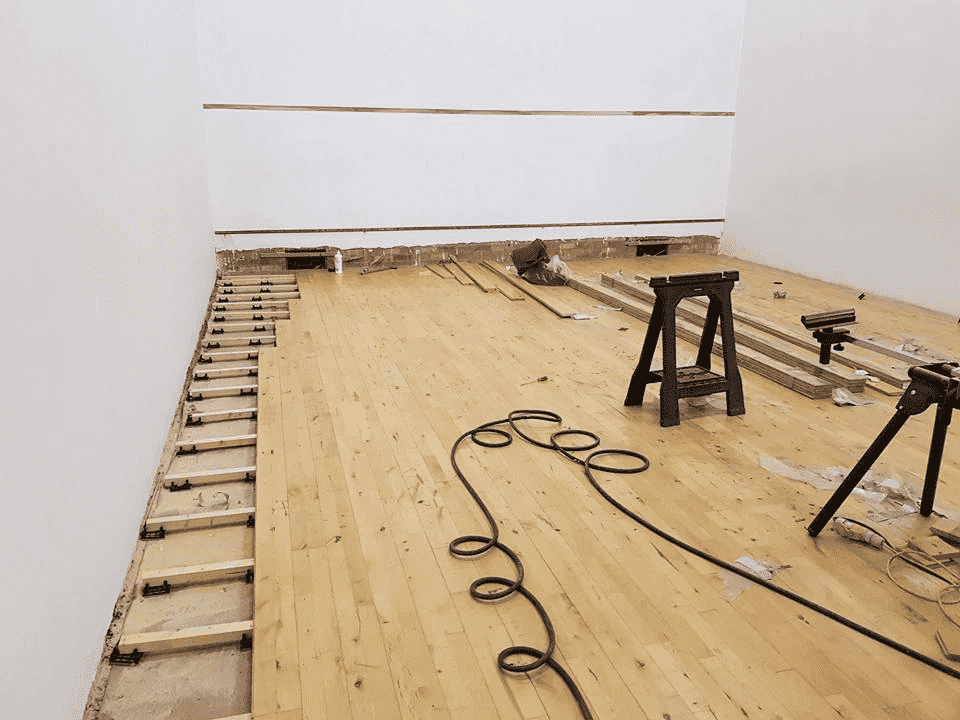
The flooring system absorbs constant stress during matches. Players repeatedly sprint, pivot, and slide across the court surface, gradually wearing down protective finishes and damaging the wood beneath.
Common flooring issues include:
- Scratches and dents
- Slippery surfaces
- Loose boards
- Warping from moisture
- Uneven playing areas
When flooring becomes damaged, player safety and ball performance are affected. Professional squash court flooring systems are designed to resist impact and maintain consistent traction, but they still require regular maintenance.
Preventive measures include:
- Daily dust removal
- Humidity control
- Protective recoating
- Regular inspections
- Prompt repair of damaged sections
Wall Cracks and Surface Deterioration
Squash court walls absorb thousands of ball impacts every week. Over time, cracks, dents, and surface imperfections can appear, especially in heavily used facilities.
Wall damage can cause:
- Inconsistent ball rebound
- Visible surface defects
- Structural weakening
- Paint deterioration
Minor cracks may seem harmless initially, but they often expand if ignored. Professional squash court repair services can restore wall surfaces before damage spreads throughout the structure.
Using impact-resistant materials and maintaining stable indoor conditions helps reduce long-term wall deterioration.
Moisture and Humidity Problems
Humidity is one of the biggest threats to squash court longevity. Excess moisture can damage flooring, weaken adhesives, and create unsafe playing conditions.
Signs of humidity problems include:
- Warped flooring
- Condensation on walls
- Musty odors
- Paint peeling
- Mold growth
Professional ventilation systems help regulate indoor climate and maintain proper humidity levels. Dehumidifiers and modern HVAC systems are especially important in regions with high moisture levels.
Lighting Issues
Lighting problems can significantly affect gameplay and player comfort. Poor lighting creates shadows, glare, and inconsistent visibility, making it difficult for players to track the ball.