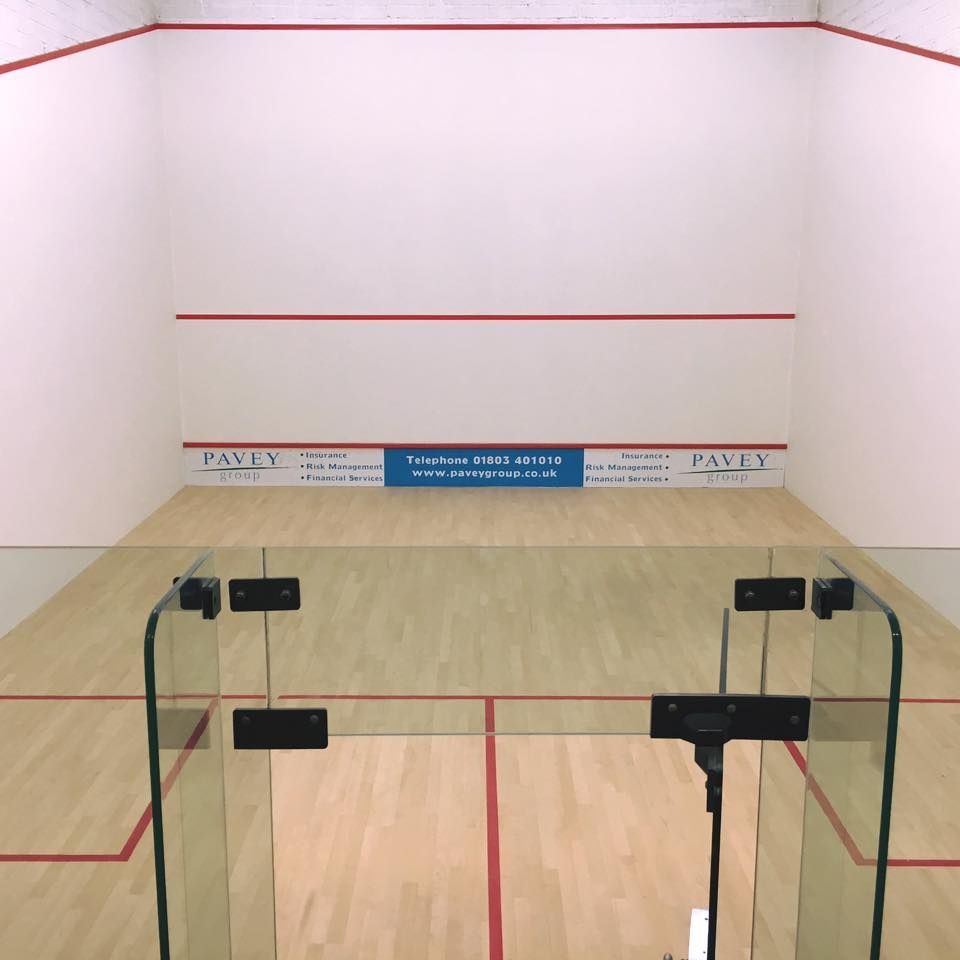
Why Professional Squash Court Construction Matters for Long-Term Performance
Why Professional Squash Court Construction Matters for Long-Term Performance
Building a squash court is more than simply creating four walls and installing flooring. A professional squash court must meet strict standards for performance, durability, player safety, and long-term reliability. Whether the court is designed for a private residence, fitness center, university, hotel, or sports complex, proper planning and construction directly impact how the court performs for years to come.
Many facility owners underestimate the technical requirements involved in building a professional-quality squash court. Court dimensions, wall systems, flooring, lighting, ventilation, and acoustic control all influence gameplay and player experience. Poor construction can lead to uneven ball bounce, slippery floors, structural damage, and expensive repairs.
Working with specialists in squash court construction ensures that every component is designed and installed according to professional standards. From the subfloor structure to the final wall finish, expert construction provides long-term value while creating a safe and high-performance environment for players.
The Importance of Proper Court Dimensions
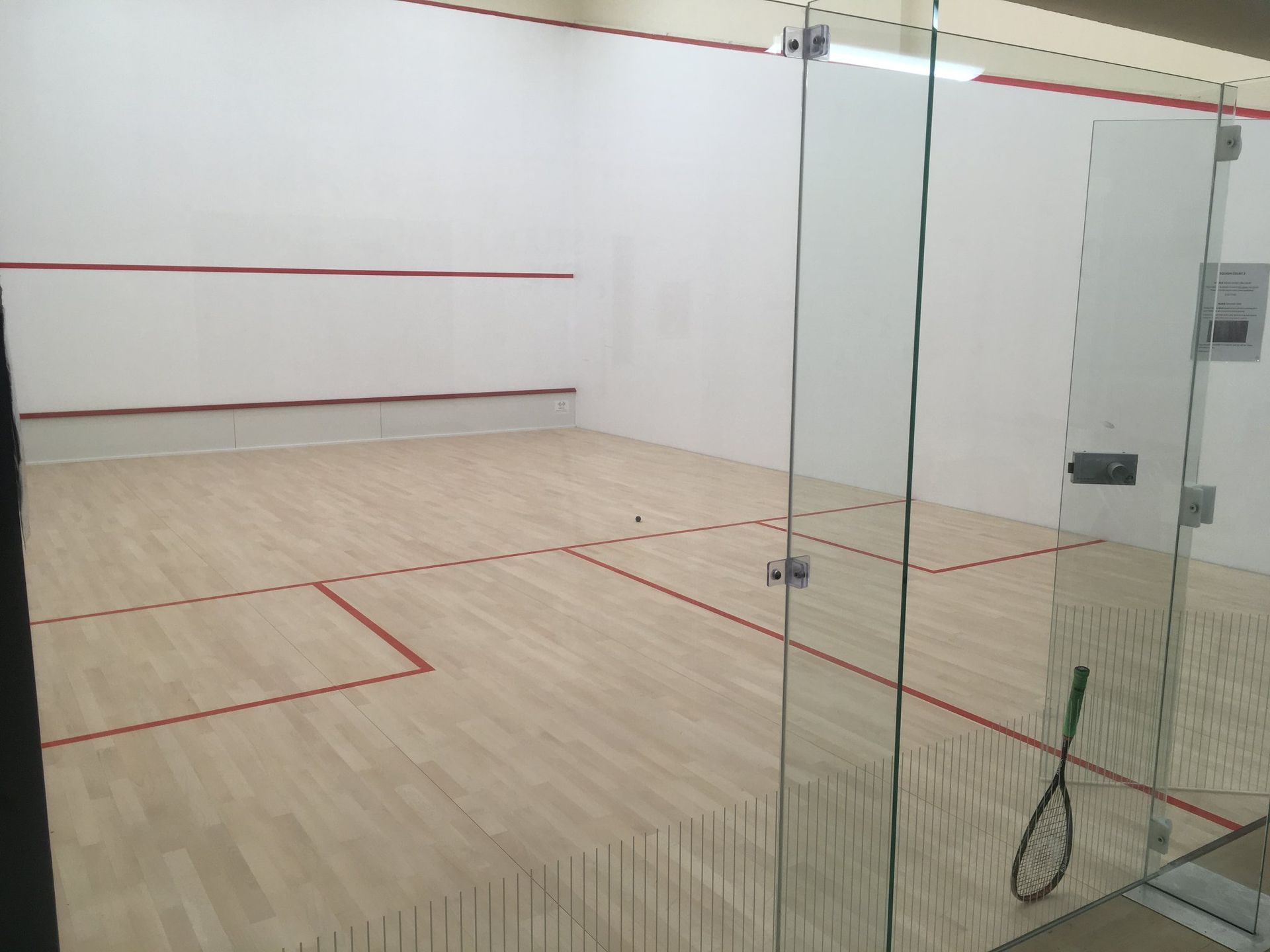
One of the most critical parts of squash court construction is precision. Official squash courts must follow exact international dimensions to maintain fair and consistent gameplay. Even small measurement errors can affect ball trajectory and player movement.
A professionally built court includes:
- Accurate wall alignment
- Correct ceiling height
- Proper floor leveling
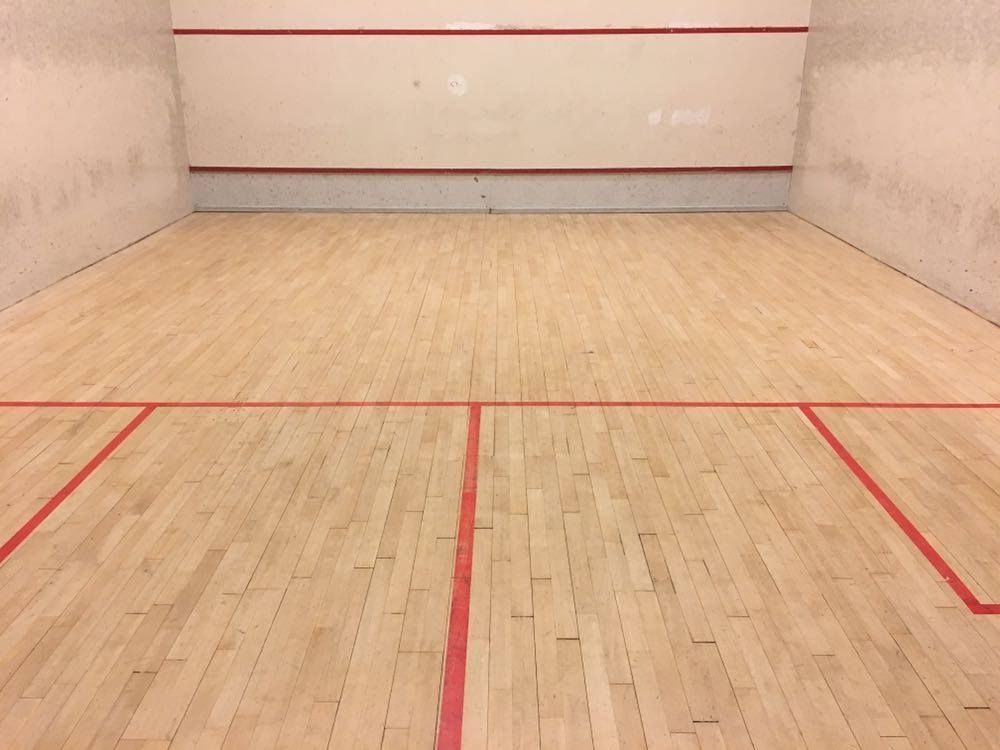
- Precise service and boundary markings
- Consistent rebound surfaces
These details are especially important for competitive and commercial facilities where player expectations are high. Professional contractors use specialized construction methods to ensure that the court meets international squash standards.
High-Quality Flooring Improves Performance
The flooring system is one of the most important investments in any squash court. Players constantly sprint, lunge, pivot, and stop suddenly during matches. Without the right floor system, the court can become unsafe and uncomfortable.
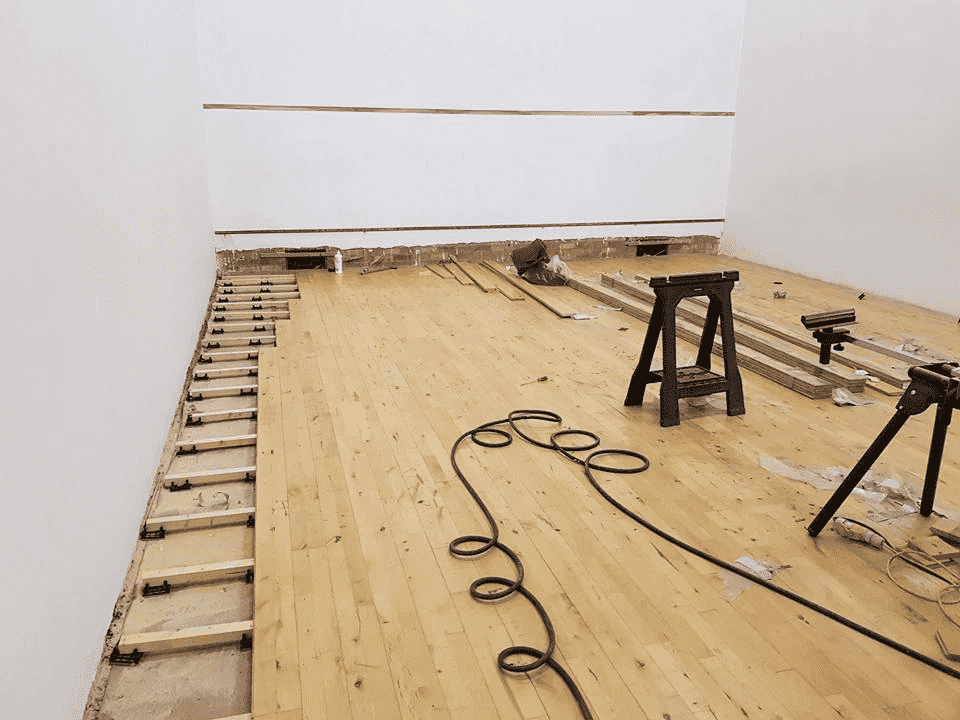
Professional courts typically use engineered hardwood flooring installed over a shock-absorbing subfloor system. This combination provides:
- Consistent ball bounce
- Better grip and traction
- Reduced stress on joints
- Improved player comfort
- Long-term durability
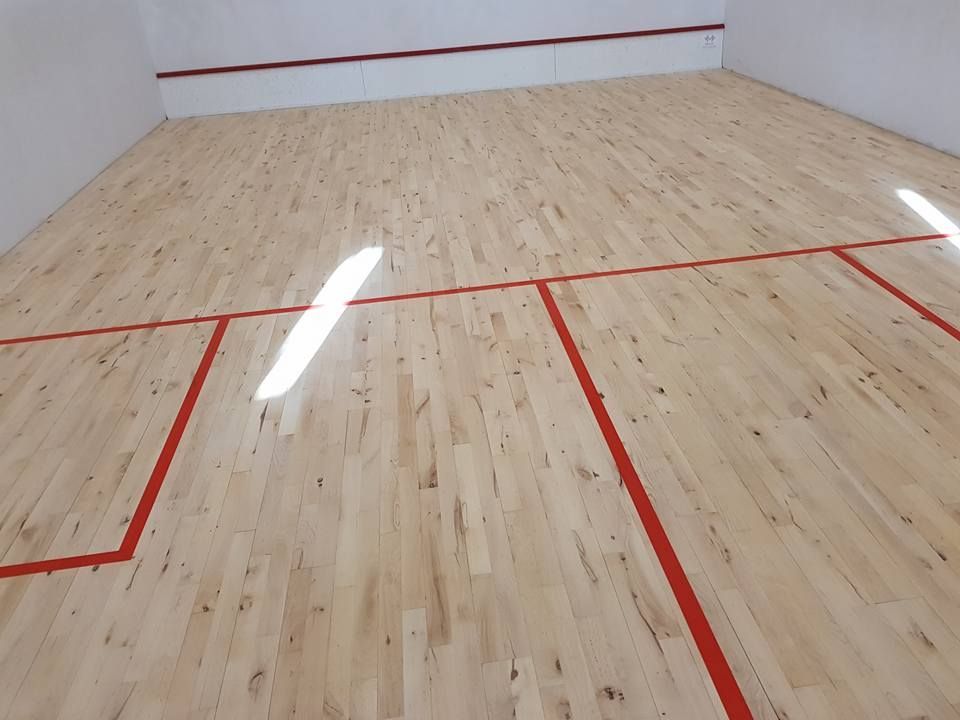
Choosing professional squash court flooring helps prevent premature wear while maintaining a smooth and safe playing surface. High-quality flooring also reduces maintenance costs over time because it resists cracking, warping, and surface damage.
Wall Construction Affects Gameplay
Squash walls are not ordinary walls. They must provide accurate rebound performance while resisting repeated ball impact over many years. Specialized wall systems are designed to maintain flatness, strength, and consistent response.
Modern squash court walls often include:
- High-density panel systems
- Impact-resistant coatings
- Reinforced structural framing
- Acoustic insulation
- Moisture-resistant materials
Improper wall installation can create uneven rebound angles that negatively affect gameplay. Professional contractors understand how to build wall systems that deliver tournament-quality performance.
Lighting and Ventilation Are Essential
Many people focus only on the court itself and overlook environmental factors like lighting and ventilation. However, these systems are crucial for player comfort and safety.
Professional squash court lighting should:
- Minimize glare
- Provide consistent brightness
- Eliminate dark spots
- Improve ball visibility
Ventilation systems are equally important because squash courts generate heat and humidity during intense matches. Poor airflow can damage flooring materials and create uncomfortable playing conditions.
A properly designed court includes climate control systems that help maintain stable temperature and humidity levels throughout the year.
Professional Construction Reduces Long-Term Costs
Although professional construction may require a larger initial investment, it often saves money in the long run. Cheap materials and inexperienced installation frequently lead to problems such as:
- Warped flooring
- Cracked walls
- Poor drainage
- Structural instability
- Frequent maintenance issues
Repairing these problems can become extremely expensive over time. Investing in professional construction minimizes the risk of premature deterioration while extending the court’s lifespan.
Custom Design Options for Modern Facilities
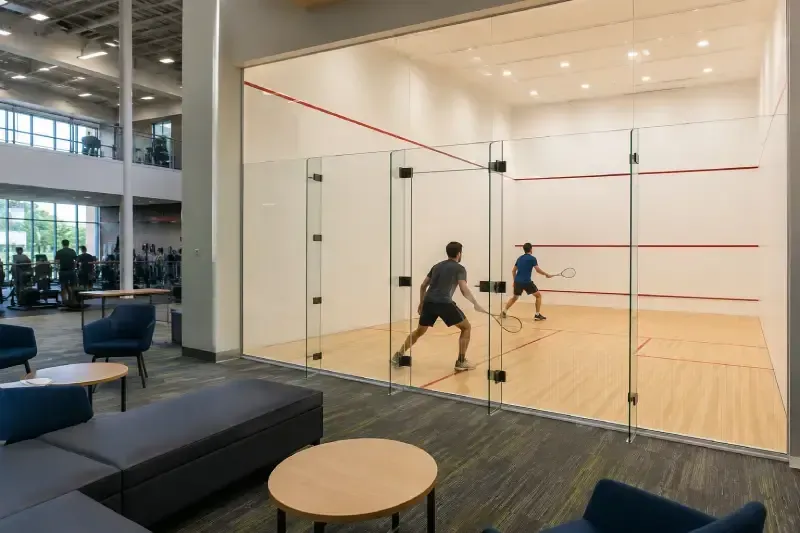
Modern squash facilities often include advanced design features that improve player experience and visual appeal. Professional contractors can customize courts for both residential and commercial spaces.
Popular features include:
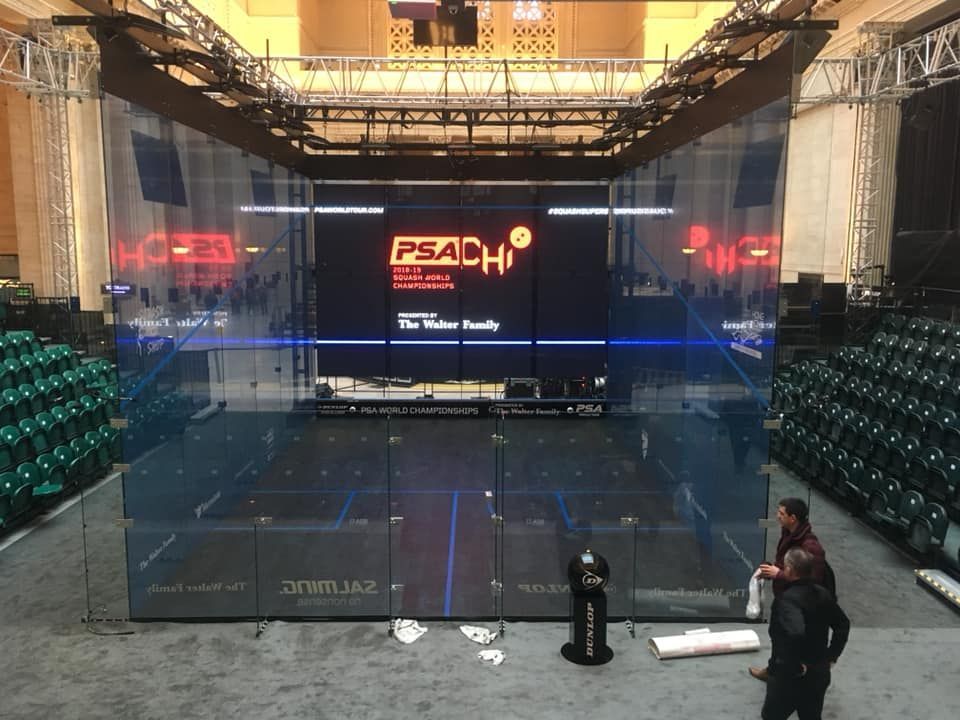
- Glass back walls
- LED lighting systems
- Integrated spectator seating
- Acoustic treatment
- Multi-purpose sports integration
- Modern ventilation systems
Custom solutions help facilities stand out while improving functionality and long-term value.
Maintenance Still Matters
Even the best squash court requires regular care to maintain performance. Proper maintenance protects flooring, walls, and structural systems from wear.
Routine maintenance includes:
- Daily cleaning
- Humidity control
- Surface inspections
- Wall repainting
- Floor refinishing
When issues appear, prompt squash court repair prevents minor problems from becoming major structural concerns. Regular maintenance helps courts maintain professional playing conditions for many years.
Choosing the Right Construction Partner
Selecting an experienced squash court contractor is one of the most important decisions in the entire project. Professional builders understand international court standards, material performance, and specialized installation techniques.
The right contractor will provide:
- Detailed project planning
- Quality materials
- Accurate timelines
- Professional installation
- Long-term support
Working with specialists also ensures compliance with sports facility regulations and safety standards.
Final Thoughts
A professionally constructed squash court delivers far more than visual appeal. It provides reliable gameplay, player safety, durability, and long-term investment value. Every detail—from flooring and walls to lighting and ventilation—plays a role in the overall performance of the facility.
Whether you are building a private court or a commercial sports facility, partnering with experts in squash court services ensures that your project is built to the highest standards. Investing in quality construction today helps create a court that performs consistently for decades.