Squash Court Construction Guide for Durable Courts
Rising demand for high-quality recreational facilities has made squash court construction a strategic investment for property developers, gyms, and residential communities. Poor planning, substandard materials, and inadequate maintenance often lead to performance issues, costly repairs, and reduced lifespan. Decision-makers require solutions that balance durability, cost efficiency, and professional-grade play conditions.
Industry professionals with expertise in sports facility development understand the technical precision required to deliver long-lasting courts. This guide is designed for stakeholders seeking clarity on squash court construction, covering design standards, materials, costs, maintenance practices, and renovation strategies to ensure optimal performance and long-term value.
Indoor vs Outdoor Squash Courts
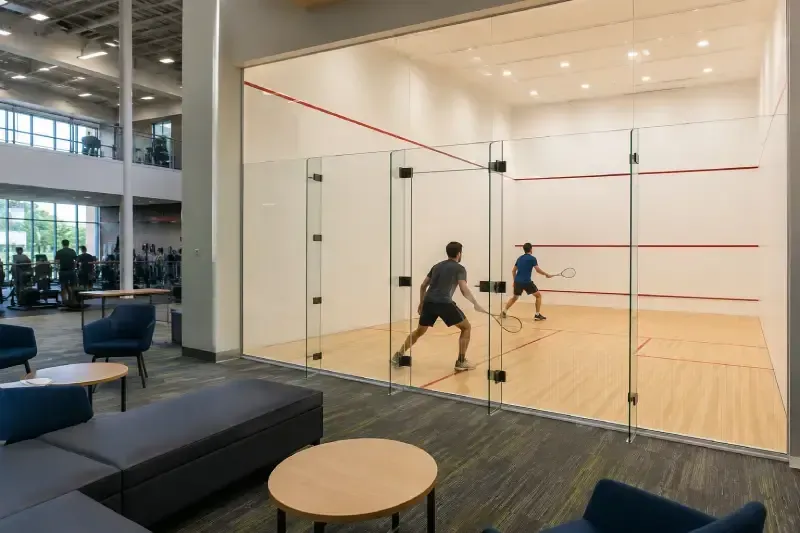
Indoor squash courts are the standard choice due to their controlled environment and consistent playing conditions. They protect players from weather elements and ensure reliable performance throughout the year.
Outdoor courts, while less common, can be suitable in specific climates. However, they require additional considerations such as weather-resistant materials and frequent maintenance. Exposure to moisture, temperature changes, and debris can impact performance and durability.
| Feature | Indoor Court | Outdoor Court |
|---|---|---|
| Durability | High | Moderate |
| Maintenance | Lower | Higher |
| Performance | Consistent | Variable |
| Cost | Higher initial | Lower initial |
For most facilities, indoor courts provide better long-term value and user satisfaction.
Cost Breakdown of Building a Squash Court
The cost of squash court construction varies depending on design complexity, materials, and location. Key cost components include design, materials, labor, and equipment installation.
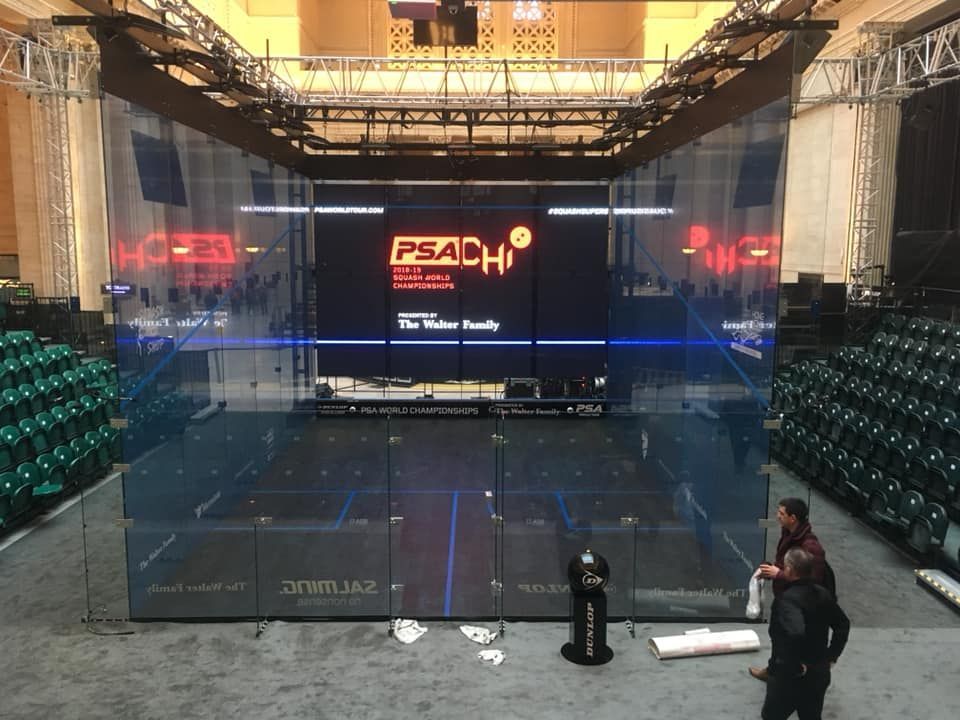
High-quality flooring, wall systems, and lighting contribute significantly to overall costs. Additional features such as glass walls, air conditioning, and spectator seating can increase the budget.
While initial investment may be substantial, well-constructed courts offer long-term value through durability and reduced maintenance. Facilities such as gyms and residential communities often benefit from increased property value and user engagement.
Common Mistakes in Squash Court Construction
Several common mistakes can compromise the quality and lifespan of a squash court. Poor planning is one of the most significant issues, leading to improper dimensions and inefficient layouts.
Using low-quality materials can result in frequent repairs and reduced performance. Inadequate ventilation and lighting also impact player comfort and usability. Additionally, neglecting professional expertise often leads to costly errors during construction.
- Incorrect court dimensions
- Substandard flooring materials
- Poor lighting design
- Lack of proper ventilation
- Inadequate maintenance planning
Avoiding these mistakes ensures a successful and long-lasting project.
Importance of Squash Court Maintenance
Regular maintenance is essential to preserve the quality and performance of a squash court. Routine cleaning prevents dirt buildup and surface damage, while periodic inspections identify potential issues early.
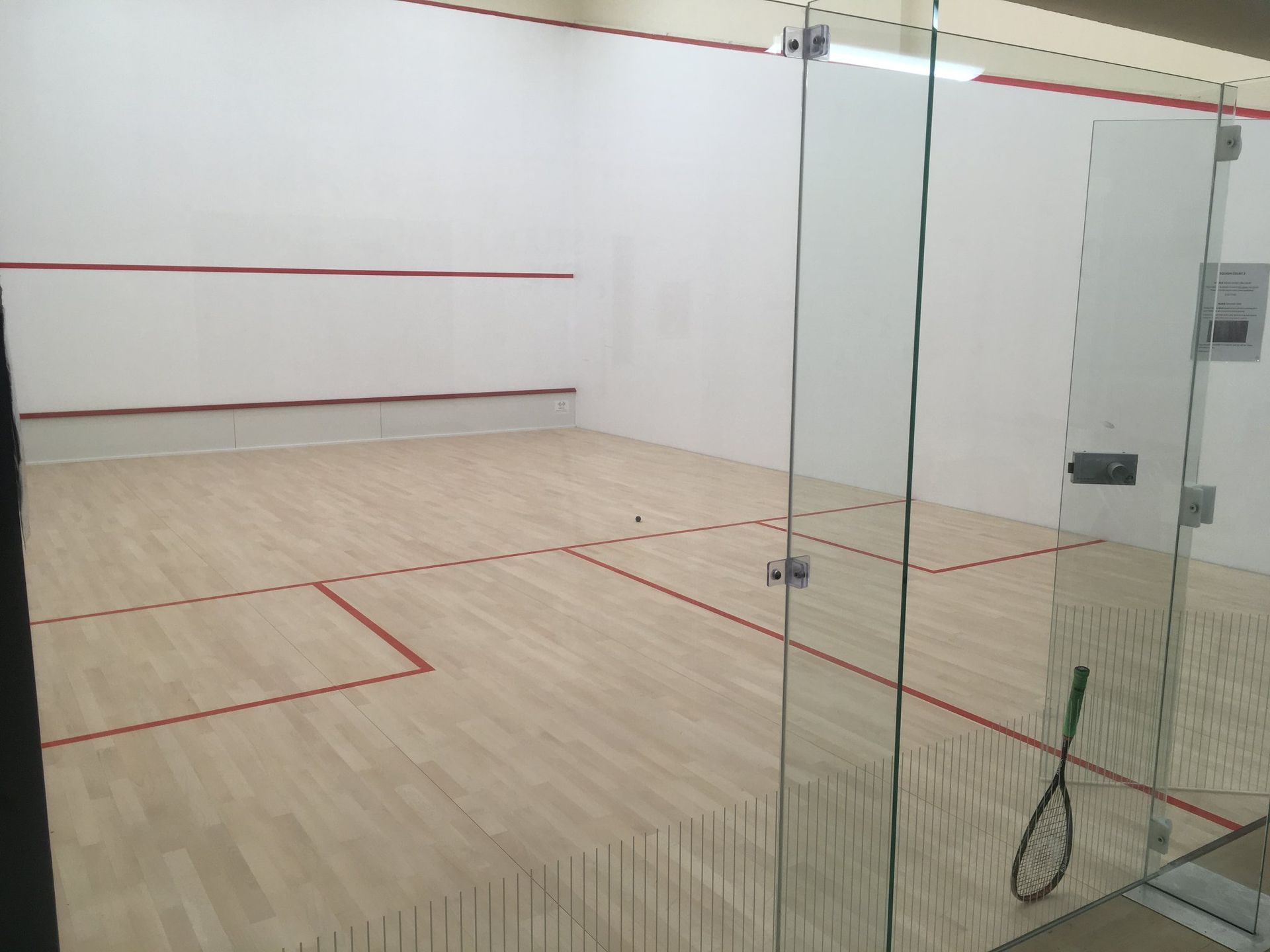
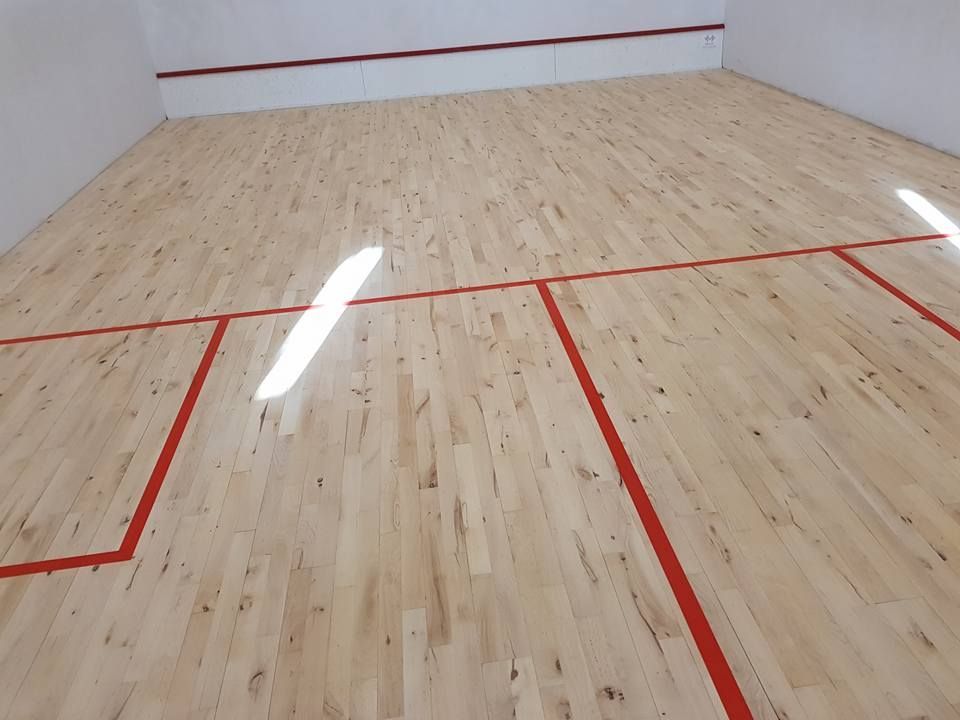
Weekly maintenance typically includes vacuuming floors, mopping surfaces, and cleaning walls. Annual maintenance may involve sanding and refinishing the flooring, repainting lines, and repairing minor damage.
Consistent maintenance extends the lifespan of the court and ensures a safe playing environment. Facilities that prioritize maintenance often experience fewer disruptions and lower long-term costs.
Renovation and Repair of Existing Courts
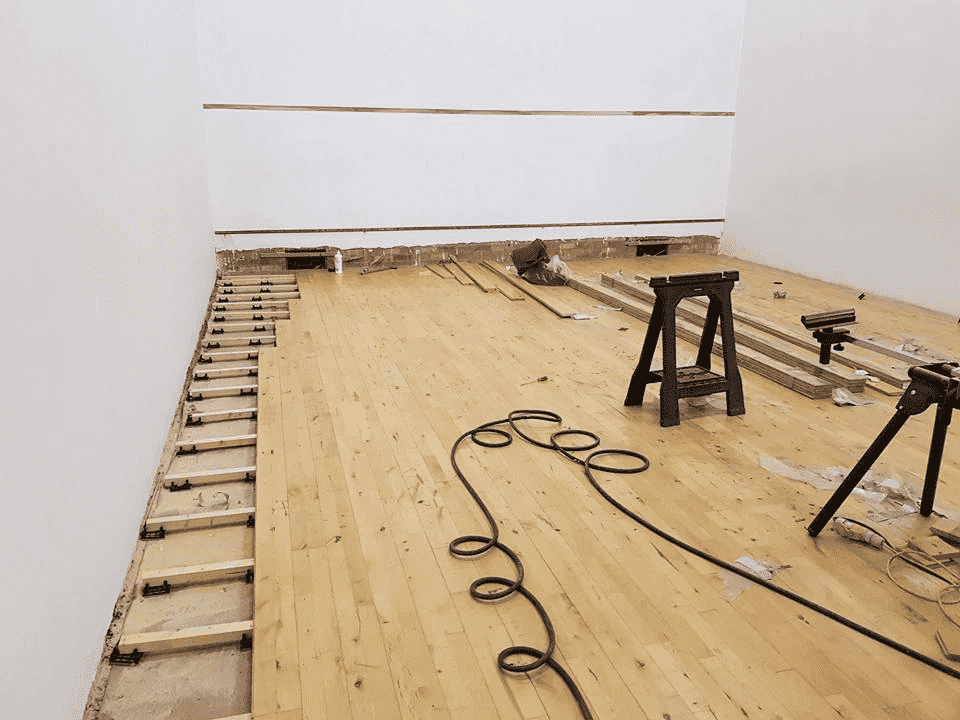
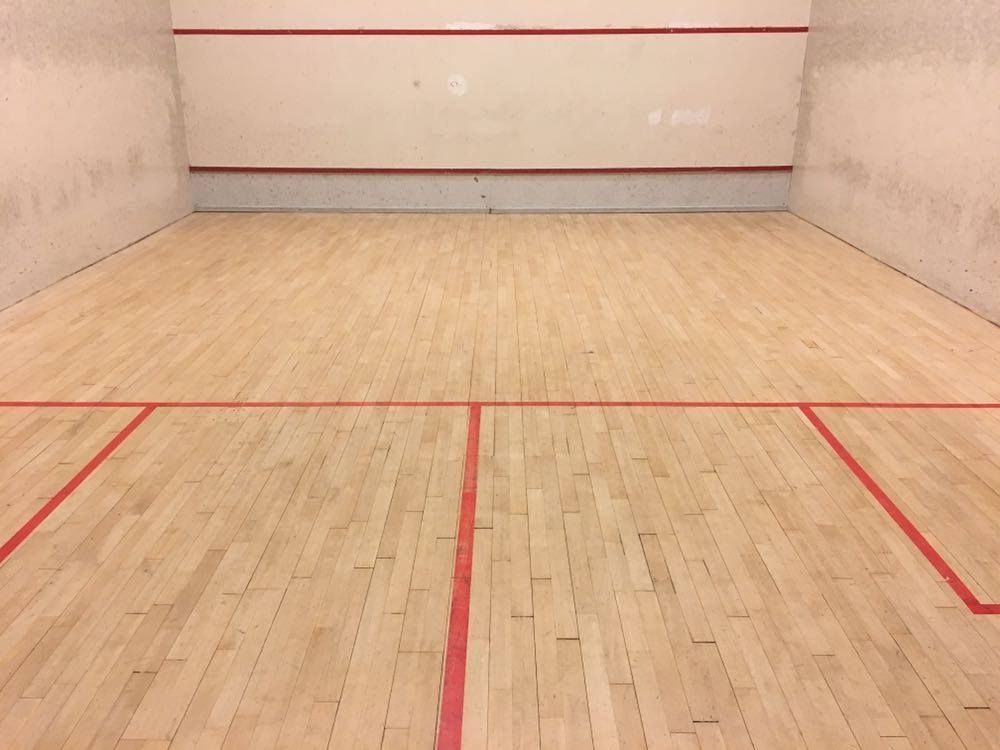
Over time, squash courts may require renovation to maintain performance and aesthetics. Renovation is often more cost-effective than complete reconstruction, especially when the structure remains sound.
Common renovation tasks include floor sanding, repainting lines, updating wall finishes, and repairing structural damage. Modern upgrades such as improved lighting and ventilation can enhance the overall experience.
Timely renovations restore courts to near-new condition and extend their usability. This approach allows facilities to maintain high standards without significant downtime.
How to Choose a Squash Court Contractor
Selecting the right contractor is critical for successful squash court construction. Experienced professionals ensure compliance with standards, high-quality workmanship, and efficient project completion.
Key factors to consider include industry experience, portfolio of completed projects, and expertise in design and construction. Reliable contractors provide comprehensive services, from initial consultation to ongoing maintenance.
Clear communication, transparent pricing, and adherence to timelines are also essential. Partnering with the right contractor ensures that the final result meets expectations and delivers long-term value.
Build High-Performance Courts That Last
Investing in squash court construction requires careful planning, quality materials, and expert execution. Facilities that prioritize durability, performance, and maintenance achieve long-term success and user satisfaction. Working with experienced professionals ensures that every aspect of the court meets high standards while minimizing future costs. Organizations looking to develop or upgrade their facilities can benefit from professional squash court construction services designed to deliver reliable, high-quality results.
Frequently Asked Questions
How long does it take to build a squash court?
Construction timelines typically range from several weeks to a few months, depending on design complexity and site conditions. Proper planning and experienced contractors can significantly improve efficiency.
What is the best flooring for a squash court?
Hardwood and engineered wood are the most commonly used materials due to their durability, shock absorption, and consistent performance. Proper maintenance is essential to maximize lifespan.
How often should a squash court be maintained?
Weekly cleaning is recommended, while more extensive maintenance such as sanding and refinishing should be performed periodically based on usage levels.
Is it cheaper to renovate or rebuild a squash court?
Renovation is generally more cost-effective if the structure is still in good condition. It allows facilities to upgrade performance without the expense of full reconstruction.
Why is professional construction important for squash courts?
Professional construction ensures accurate dimensions, proper material selection, and compliance with standards, resulting in better performance, safety, and long-term durability.