Building and Maintaining a High-Quality Squash Court: A Complete Guide
Squash is a fast-paced, skill-driven sport that demands precision—not only from players, but from the court itself. Whether you’re installing a squash court in a residential community, gym, school, or commercial facility, the quality of construction and ongoing maintenance directly impacts player safety, performance, and long-term durability.
This guide walks you through the essential elements of squash court construction, flooring, maintenance, and renovation, helping you understand what goes into creating a professional, long-lasting court.
Understanding the Importance of Proper Squash Court Design
Every successful squash court starts with thoughtful design. The layout, dimensions, materials, and environmental controls all influence how the court performs and how enjoyable it is for players. A poorly designed court can lead to uneven ball bounce, slippery flooring, and unnecessary wear over time.
Professional squash court design ensures compliance with industry standards while allowing customization based on budget, usage, and location. Whether you’re building a single residential court or a multi-court commercial facility, design planning sets the foundation for success.
Key design considerations include:
- Court dimensions and wall spacing
- Ceiling height and lighting placement
- Ventilation, air conditioning, and temperature control
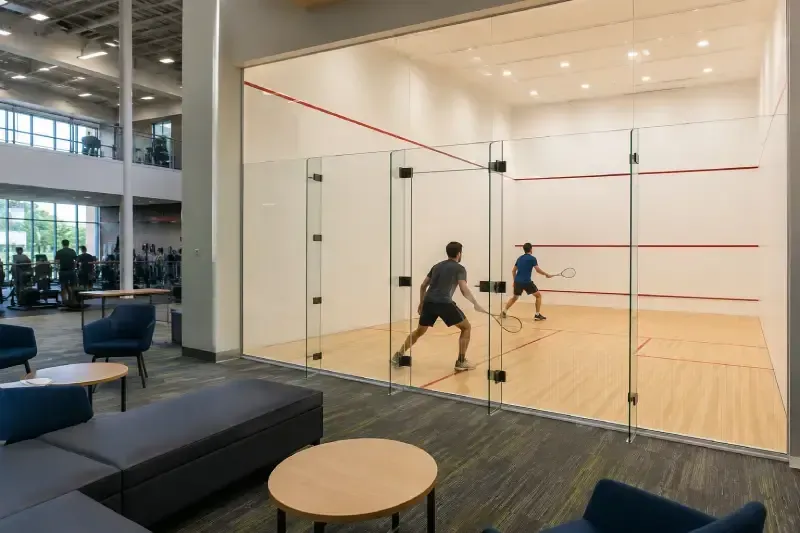
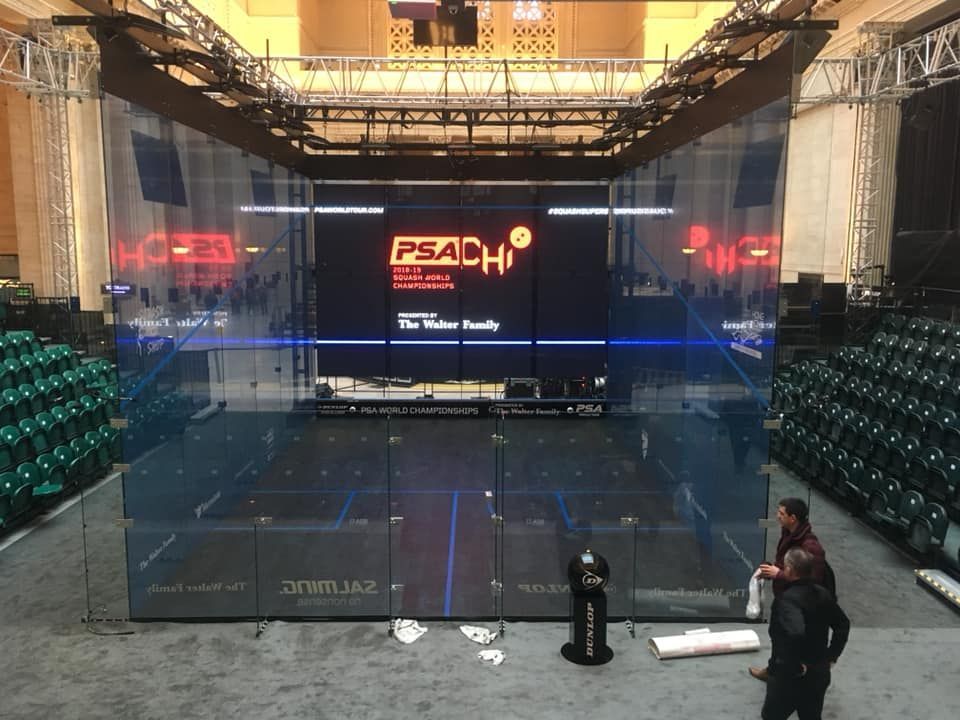
- Player safety zones and glass wall options
Squash Court Construction: Getting It Right from the Start
Squash court construction requires precision, experience, and the right materials. From the subfloor to the walls and ceiling, every component must meet strict performance and durability standards. Cutting corners during construction can lead to costly repairs and shortened court lifespan.
Professional builders handle each stage carefully, ensuring the structure is level, stable, and optimized for play. Using industry-approved materials also guarantees consistent ball rebound and player comfort.
A standard squash court construction process includes:
- Site preparation and structural framing
- Installation of wall systems and impact-resistant surfaces
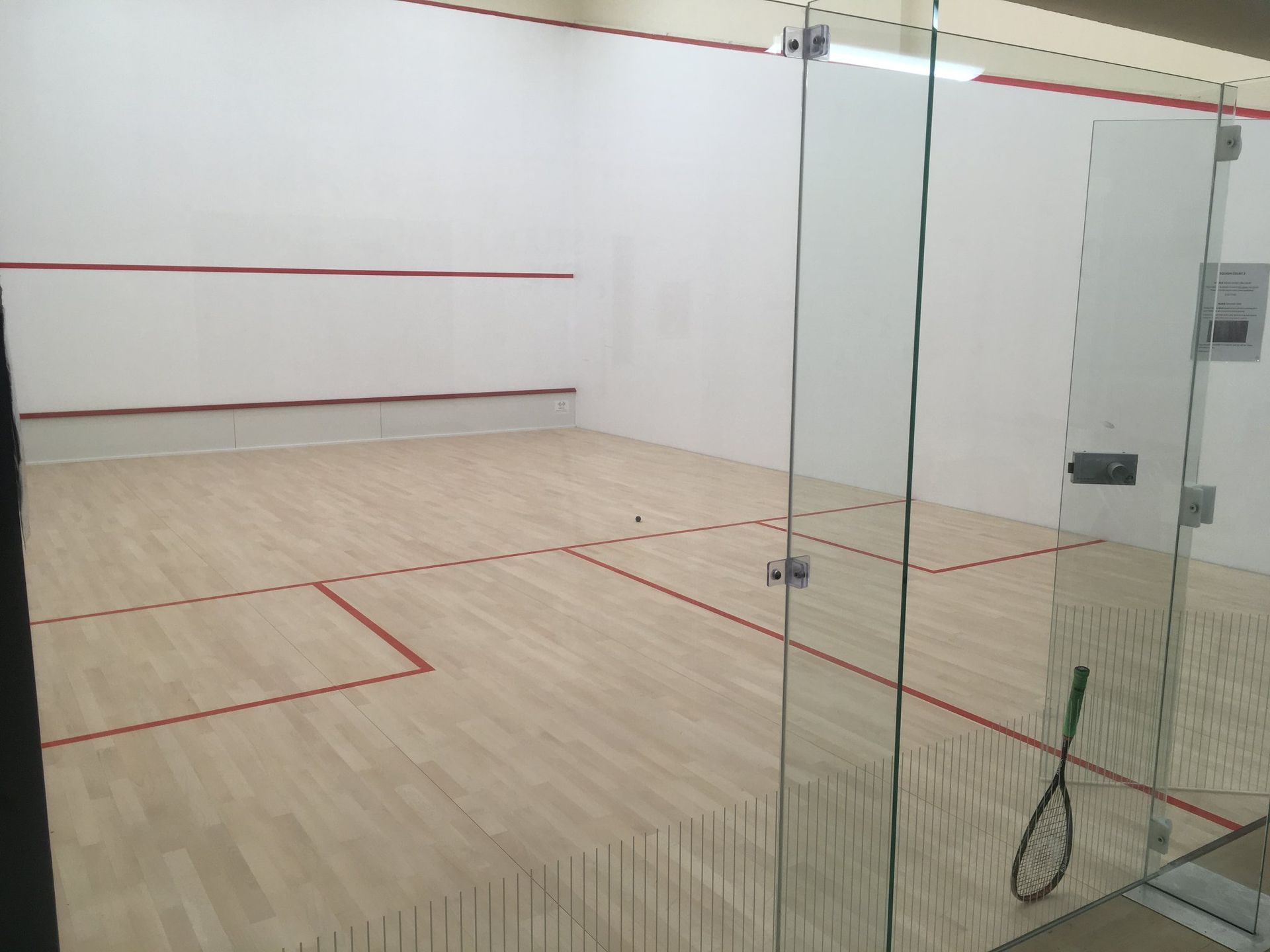
- Flooring installation and court line marking
- Lighting, doors, and finishing touches
Choosing the Right Squash Court Flooring
The floor is one of the most critical components of a squash court. High-quality squash court flooring provides the right balance of grip, shock absorption, and ball response. Most professional courts use hardwood flooring systems designed specifically for indoor sports.
Over time, flooring can fade, lose traction, or develop surface damage. Proper installation and care help prevent premature wear while maintaining optimal playing conditions.
Common squash court flooring benefits include:
- Enhanced player safety and reduced injury risk
- Consistent ball bounce and speed
- Long-lasting durability with proper maintenance
Routine Squash Court Maintenance for Longevity
Regular maintenance keeps a squash court safe, visually appealing, and playable year-round. Simple weekly care can significantly extend the life of the flooring and wall surfaces while preventing small issues from becoming major problems.
Maintenance routines should be structured and consistent, especially in high-traffic facilities such as gyms and sports centers. Annual professional inspections are also recommended to identify wear before it affects play quality.
Basic squash court maintenance includes:
- Weekly vacuuming and damp mopping of floors
- Wiping down walls, doors, and glass panels
- Monitoring line visibility and surface finish
- Annual deep cleaning and condition assessments
When to Sand, Refinish, and Repaint
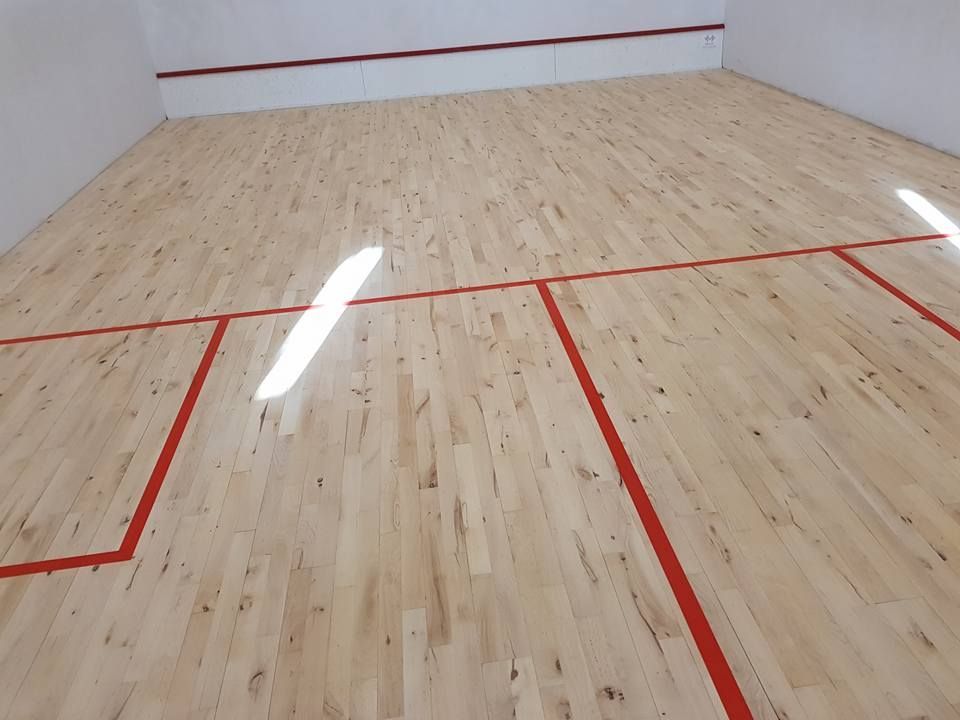
Even with proper care, squash court floors will eventually lose their shine and traction. Sanding and refinishing restore the surface, improve grip, and extend the life of the flooring. Line repainting ensures the court remains regulation-compliant and visually clear for players.
These services do not need to be done frequently, but timing them correctly prevents further damage. Professional refinishing brings the court back to like-new condition with minimal downtime.
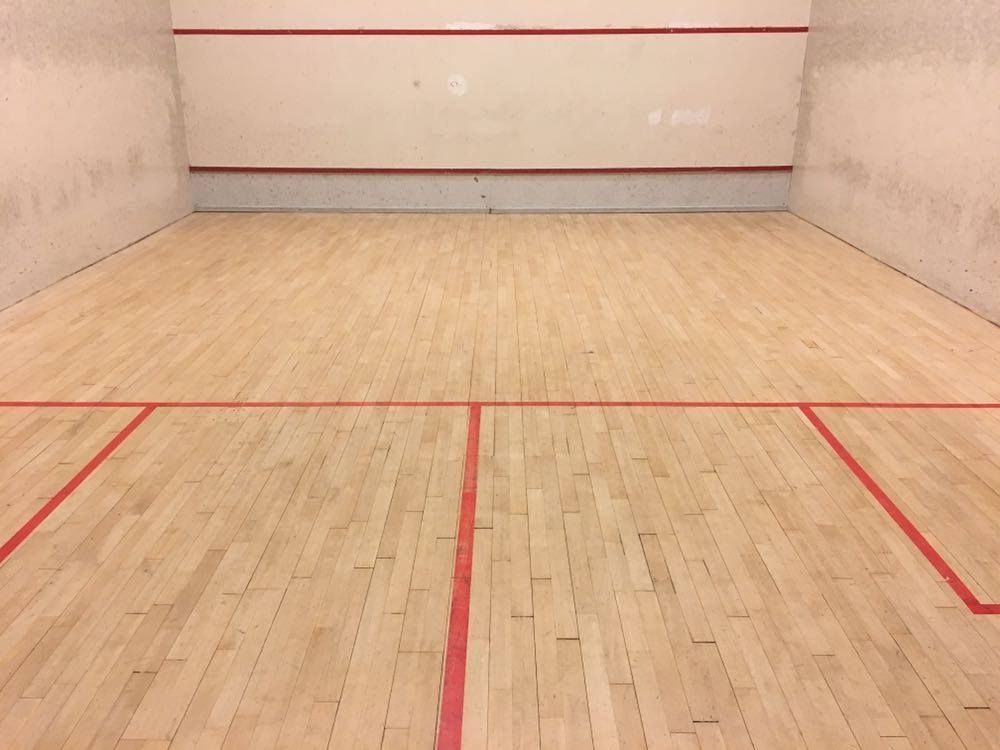
Signs it’s time for refinishing include:
- Dull or slippery floor surfaces
- Fading or barely visible court lines
- Minor surface scratches or uneven wear
Renovating an Older Squash Court
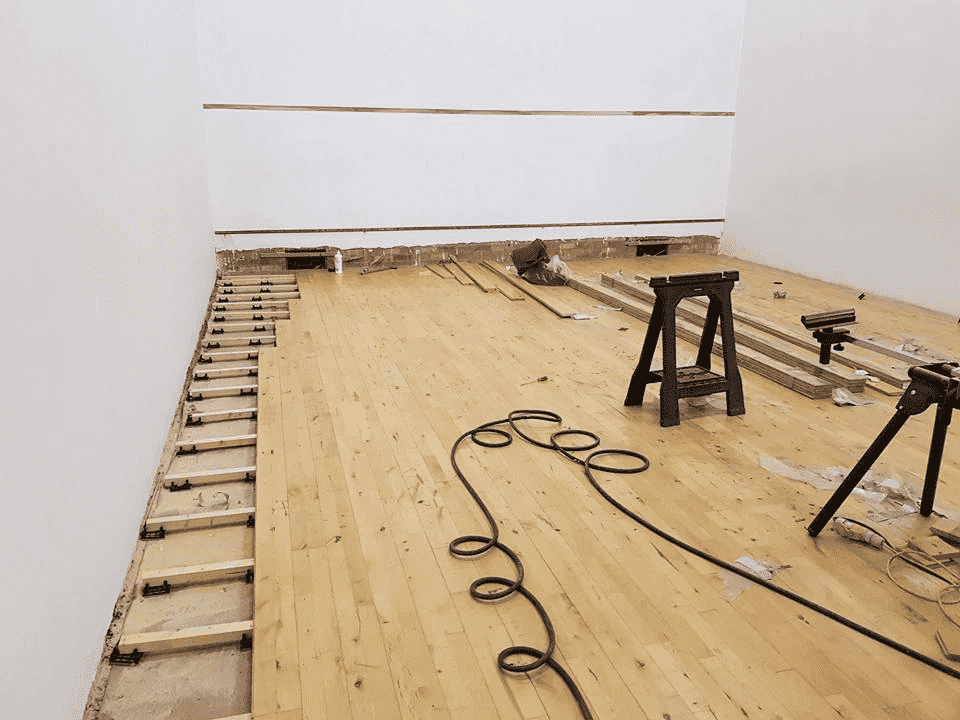
Renovation is a cost-effective alternative to full reconstruction when an existing squash court shows signs of age. Depending on the condition, renovations can range from simple cosmetic updates to structural repairs.
Modern renovation techniques allow older courts to meet current play standards while improving aesthetics and durability. Most renovations can be completed quickly, minimizing disruption for players.
Typical squash court renovation services include:
- Floor sanding and refinishing
- Repainting walls, ceilings, and lines
- Repairing wall panels or flooring damage
- Upgrading lighting or ventilation systems
Professional Support Makes the Difference
Working with experienced squash court professionals ensures every aspect of construction, maintenance, or renovation is handled correctly. From design consultation to final inspection, expert guidance helps avoid costly mistakes and ensures long-term satisfaction.
Professional teams understand industry regulations, material performance, and efficient project timelines. They also tailor solutions based on whether the court is residential, commercial, or institutional.
Benefits of professional squash court services include:
- Accurate cost estimates and project planning
- High-quality materials and craftsmanship
- Faster completion with minimal downtime
- Long-term performance and durability
Building Courts That Stand the Test of Time
A squash court is an investment in health, recreation, and community engagement. When designed, built, and maintained properly, it can serve players for decades with minimal issues. The key lies in professional execution and consistent care.
Whether you’re building a brand-new squash court or restoring an existing one, focusing on quality at every stage ensures a safe, enjoyable, and professional playing experience. With the right approach, your squash court will remain a space players love returning to—game after game.