What Are the Factors to Consider When Choosing a Squash Court Builder?

Fabien Sarran • August 6, 2023

A squash court in a sports facility is necessary if you're looking to provide your players and enthusiasts with a high-quality playing experience. Just like any other sports arena, the construction and maintenance of squash courts require skill, expertise, and top-notch quality material. As the popularity of this fast-paced game grows, finding the right squash court builder is essential for the long-term success of your sports facility.


Total Squash Court has been a trusted name in squash court solutions for years, offering exceptional quality and service to clients across the United States. As a leading squash court builder, we understand how crucial it is for your court to stand up to the test of time and deliver outstanding gameplay. Various factors are critical in selecting the best squash court builder to meet your expectations.


Understanding Factors to Consider on Squash Court Construction 


Whether launching a new sports facility or looking to renovate or maintain your existing squash courts, understanding these factors is invaluable for making the best decision possible. In this post, we will discuss several elements to consider when choosing a squash court builder, such as expertise, material quality, durability, budget, project timeline, and customer service.


First and foremost, the talent and experience of the squash court builder is a key factor. This isn't a simple area to cut corners, as the quality of the court can significantly impact the players' experience and the potential for injuries. A highly skilled builder should be up-to-date with industry standards and specifications, ensuring your court is built properly from the ground up.


Next, the materials used to build the squash court should be top-notch, meeting the players' needs and your bottom line. High-quality flooring, walls, and glass materials ensure that the court can withstand the test of time and provide a fantastic playing experience.


Moreover, the durability of your project is vital, as you'll want to ensure your squash court remains in excellent condition for years to come with proper maintenance. When comparing builders, don't hesitate to ask about their previous work and customers' experiences. 


By considering these factors, you'll be in the best position to choose a trusted, experienced squash court builder who can exceed your expectations and help make your sports facility a sought-after destination for squash players everywhere.


Expertise and Experience in Squash Court Construction


Squash court construction requires expertise and experience to ensure the result meets industry standards. A well-built court will provide a safe and enjoyable playing experience for athletes and contribute to the longevity of your sports facility.


When evaluating potential squash court builders, look for companies with a strong track record of successful projects and satisfied clients. Read testimonials and ask for case studies to better understand their previous work and assess how well they can meet your requirements. Inquire about their familiarity with the World Squash Federation (WSF) specifications, as adhering to these guidelines is crucial for high-quality court construction.


Importance of High-Quality Materials


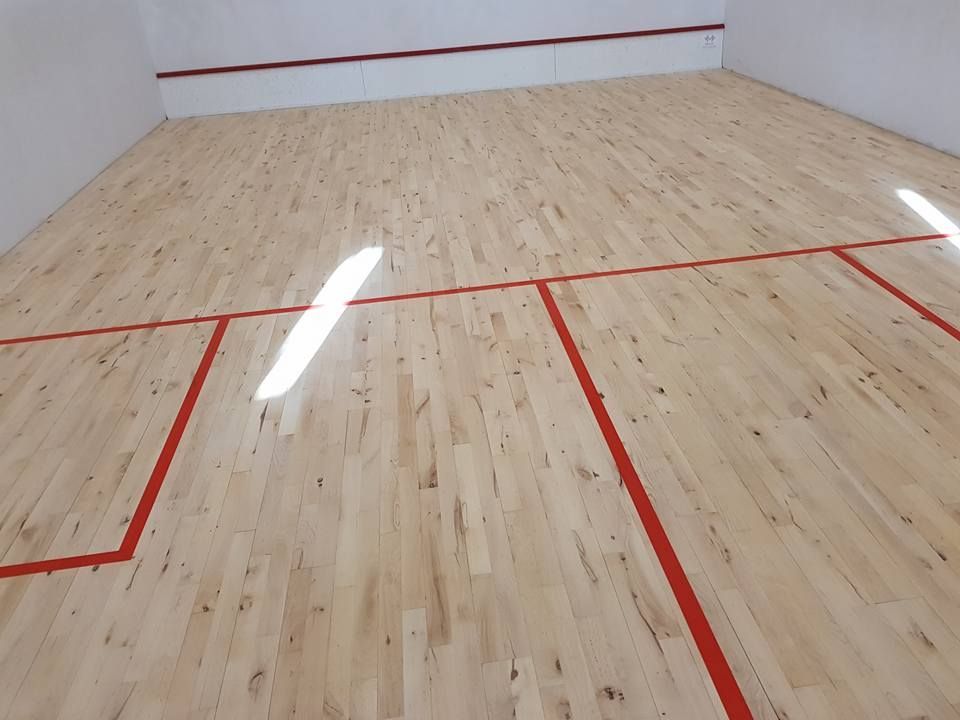
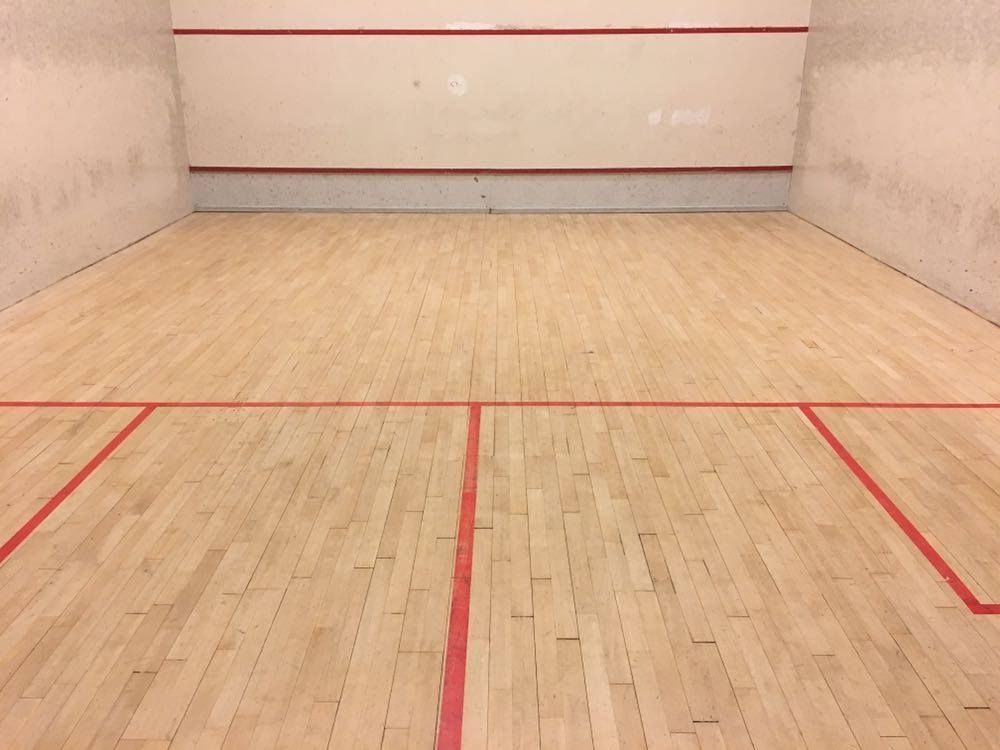
The quality of materials used in squash court construction plays a significant role in gameplay, safety, and the court's longevity. Consequently, choosing a builder committed to utilizing top-notch materials for flooring, walls, and glass should be a top priority.


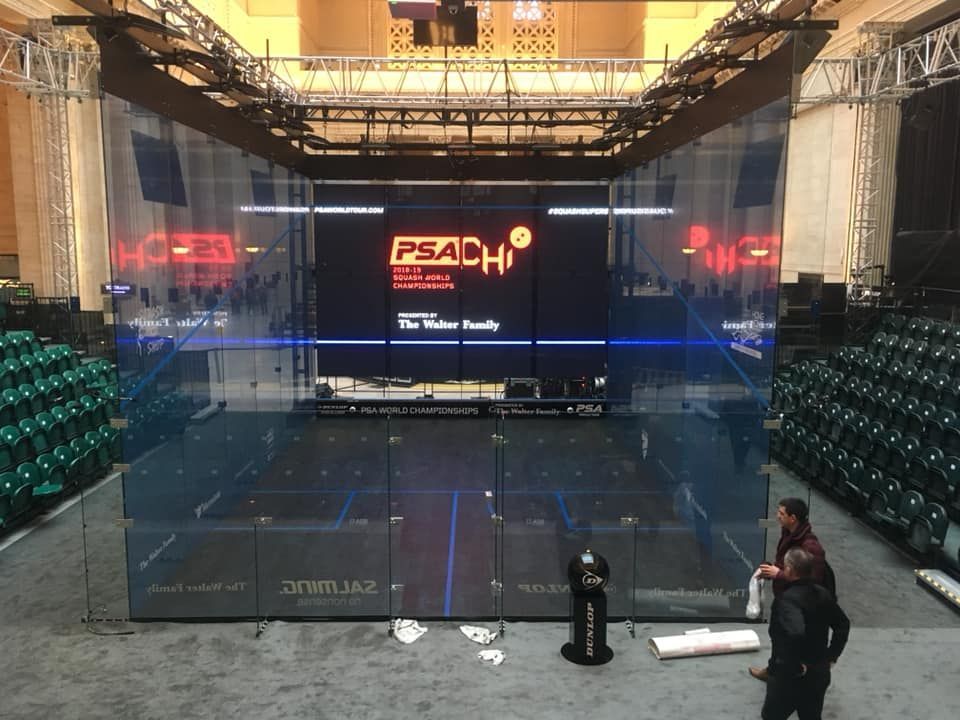
A high-quality squash court floor should offer a comfortable, uniform playing surface with excellent grip and shock absorption. Walls must withstand countless balls' impacts over time, so using impact-resistant materials is vital. If used for the back wall or a full glass court, glass should be of optimum thickness and transparency for unmatched game experiences.


When selecting a builder, ask about the materials they use and ensure that their chosen products have strong reputations for quality and durability. A squash court built with premium materials will enhance the player experience and minimize maintenance needs and expenses in the long run.


Budget and Project Timeline


Budget plays a crucial role in the decision-making process when choosing a squash court builder. Keep in mind that opting for the lowest-priced option may not guarantee the desired results or quality. Instead, search for a builder that offers competitive pricing while maintaining a high standard of work and delivering on schedule.


The timeline for squash court construction is another essential factor. Delays in completing your sports facility can impact your operational planning and create a negative impression among potential users. Be sure to discuss the anticipated project timeline with the prospective builder and inquire about their punctuality history. Considering these factors will help you find a builder that can complete your project on time and within your budget.


Strong Customer Service and Support


Good communication and strong customer service are hallmarks of a reliable squash court builder. When you've decided to invest in constructing a squash court, it's essential to have a builder who can address your concerns, offer timely advice, and maintain clear communication throughout the project.


Choose a squash court builder with a reputation for transparent communication, strong project management skills, and responsive customer service. These attributes ensure a smoother construction process and pave the way for a long-lasting relationship with your court builder, who will likely be responsible for ongoing maintenance and future upgrades.


Inquire about the company's support services and availability for court maintenance tasks like surface refinishing or glass panel replacement. Dependable post-construction support is essential to ensure your squash court remains in top condition and delivers an outstanding player experience.


Conclusion


Choosing the right squash court builder involves considering various factors, including expertise, materials, budget, timeline, and customer service. By evaluating each factor carefully and following the tips in this guide, you can select a builder who will deliver a top-quality squash court that meets industry standards and enhances the player experience at your sports facility.


Investing in a well-built and high-quality squash court will serve your players and patrons better and add value to your sports facility for years to come. As a leading
squash court builder, Total Squash Court is committed to helping you make the best choice for your project. With our expert team and customer-centric approach, you can trust us to build a squash court that meets and exceeds your expectations. Contact us today for more information! 
April 18, 2026
Discover the cost of building a squash court in the U.S., including materials, labor, design factors, and how to maximize long-term investment value.
April 10, 2026
This guide explores when renovation is necessary, the repair process, cost considerations, and best practices to extend the life of existing courts while maintaining professional standards.
By Carl Altura April 3, 2026
Learn how to maintain a squash court with expert tips on cleaning, repairs, and long-term care to ensure durability and consistent performance.
By Carl Altura March 27, 2026
Discover the best squash court flooring options, including materials, costs, and maintenance strategies to ensure durability and high-performance play.
By Carl Altura March 20, 2026
Learn the complete squash court construction process, from planning and design to installation, materials, and final inspection for long-lasting performance.
innovative squash court design ideas
March 6, 2026
Explore innovative squash court design ideas for residential and commercial spaces, including layouts, materials, and features for performance and durability.
February 24, 2026
Discover expert insights on squash court construction, design, costs, flooring, and maintenance to build high-performance, long-lasting courts.
By Carl Altura February 14, 2026
Squash is a fast and tough sport. Players run, stop, twist, and jump in seconds. All that action puts a lot of stress on the floor. That’s why squash courts need resilient flooring. Resilient flooring is strong. It can take impact and bounce back without damage. It also helps keep players safe and comfortable. In this article, you’ll learn what resilient flooring is, why it matters, and the best types for squash courts. What Is Resilient Flooring? Resilient flooring is a surface that is: Strong Flexible Shock-absorbing Long-lasting It does not crack or break easily. It can handle heavy use and still stay smooth and safe. For squash courts, this means: Good grip Safe movement Proper ball bounce Less strain on knees and ankles Why Resilient Flooring Is Important Squash is quick and intense. Players change direction fast. They lunge and sprint again and again. Without the right flooring, the court can become: Slippery Uneven Noisy Unsafe Good resilient flooring helps: Protect players from injury Improve game performance Reduce repair costs Keep the court in great shape for years Best Flooring Options for Squash Courts Here are the most common resilient flooring choices: 1. Engineered Hardwood with a Sprung Subfloor This is the top choice for professional courts. Engineered hardwood is stronger than solid wood. It handles heat and moisture better. When placed over a sprung subfloor (a shock-absorbing layer), it becomes even more resilient. Benefits: Great shock absorption Excellent ball bounce Long lifespan Beautiful finish This option costs more, but it offers the best performance. 2. Rubber Sports Flooring Rubber flooring is soft and flexible. It absorbs impact very well. It is best for: Training courts Schools Home setups Multi-use gyms Benefits: Comfortable for joints Slip-resistant Easy to clean Affordable It is not used in professional matches, but it works well for casual play. 3. Vinyl or PVC Sports Flooring Vinyl flooring is flexible and budget-friendly. Many types come with cushioned backing for extra comfort. It is good for light to moderate use courts. Benefits: Moisture-resistant Low maintenance Quick to install Cost-effective While it does not perform like hardwood, it is a solid choice for indoor facilities. Key Features to Look For When choosing squash court flooring, check for these features: Shock Absorption Reduces stress on joints. Good Grip Prevents slipping but allows smooth movement. Strong Surface Resists dents and cracks. Stable Material Handles changes in temperature and humidity. Easy Maintenance Stays in good shape with simple care. How to Choose the Right Flooring Think about these things before deciding: Type of Facility Professional courts: Choose engineered hardwood with a sprung subfloor. Schools or community centers: Rubber or vinyl works well. Home courts: Modular or cushioned systems are easy to install. Budget Hardwood costs more but lasts longer. Rubber and vinyl are more affordable and need less upkeep. Climate If your area has high humidity, choose materials that resist warping. Engineered products handle climate changes better. Simple Maintenance Tips Even strong floors need care. Follow these tips: Sweep daily to remove dust and dirt Use gentle, pH-neutral cleaners Recoat hardwood every 1–2 years Do not drag heavy equipment Keep indoor humidity stable With proper care, your squash court floor will stay safe and strong for many years. Final Thoughts Resilient flooring for squash courts is not just about strength. It is about safety, comfort, and performance. The right floor protects players. It improves the game. It also saves money on repairs over time. Whether you choose engineered hardwood, rubber, or vinyl, make sure resilience is your top priority. In squash, the floor takes every hit—so it must be ready to bounce back.
By Carl Altura February 6, 2026
Squash is a fast-paced, skill-driven sport that demands precision—not only from players, but from the court itself. Whether you’re installing a squash court in a residential community, gym, school, or commercial facility, the quality of construction and ongoing maintenance directly impacts player safety, performance, and long-term durability. This guide walks you through the essential elements of squash court construction, flooring, maintenance, and renovation, helping you understand what goes into creating a professional, long-lasting court. Understanding the Importance of Proper Squash Court Design Every successful squash court starts with thoughtful design. The layout, dimensions, materials, and environmental controls all influence how the court performs and how enjoyable it is for players. A poorly designed court can lead to uneven ball bounce, slippery flooring, and unnecessary wear over time. Professional squash court design ensures compliance with industry standards while allowing customization based on budget, usage, and location. Whether you’re building a single residential court or a multi-court commercial facility, design planning sets the foundation for success. Key design considerations include: Court dimensions and wall spacing Ceiling height and lighting placement Ventilation, air conditioning, and temperature control Player safety zones and glass wall options Squash Court Construction: Getting It Right from the Start Squash court construction requires precision, experience, and the right materials. From the subfloor to the walls and ceiling, every component must meet strict performance and durability standards. Cutting corners during construction can lead to costly repairs and shortened court lifespan. Professional builders handle each stage carefully, ensuring the structure is level, stable, and optimized for play. Using industry-approved materials also guarantees consistent ball rebound and player comfort. A standard squash court construction process includes: Site preparation and structural framing Installation of wall systems and impact-resistant surfaces Flooring installation and court line marking Lighting, doors, and finishing touches Choosing the Right Squash Court Flooring The floor is one of the most critical components of a squash court. High-quality squash court flooring provides the right balance of grip, shock absorption, and ball response. Most professional courts use hardwood flooring systems designed specifically for indoor sports. Over time, flooring can fade, lose traction, or develop surface damage. Proper installation and care help prevent premature wear while maintaining optimal playing conditions. Common squash court flooring benefits include: Enhanced player safety and reduced injury risk Consistent ball bounce and speed Long-lasting durability with proper maintenance Routine Squash Court Maintenance for Longevity Regular maintenance keeps a squash court safe, visually appealing, and playable year-round. Simple weekly care can significantly extend the life of the flooring and wall surfaces while preventing small issues from becoming major problems. Maintenance routines should be structured and consistent, especially in high-traffic facilities such as gyms and sports centers. Annual professional inspections are also recommended to identify wear before it affects play quality. Basic squash court maintenance includes: Weekly vacuuming and damp mopping of floors Wiping down walls, doors, and glass panels Monitoring line visibility and surface finish Annual deep cleaning and condition assessments When to Sand, Refinish, and Repaint Even with proper care, squash court floors will eventually lose their shine and traction. Sanding and refinishing restore the surface, improve grip, and extend the life of the flooring. Line repainting ensures the court remains regulation-compliant and visually clear for players. These services do not need to be done frequently, but timing them correctly prevents further damage. Professional refinishing brings the court back to like-new condition with minimal downtime. Signs it’s time for refinishing include: Dull or slippery floor surfaces Fading or barely visible court lines Minor surface scratches or uneven wear Renovating an Older Squash Court Renovation is a cost-effective alternative to full reconstruction when an existing squash court shows signs of age. Depending on the condition, renovations can range from simple cosmetic updates to structural repairs. Modern renovation techniques allow older courts to meet current play standards while improving aesthetics and durability. Most renovations can be completed quickly, minimizing disruption for players. Typical squash court renovation services include: Floor sanding and refinishing Repainting walls, ceilings, and lines Repairing wall panels or flooring damage Upgrading lighting or ventilation systems Professional Support Makes the Difference Working with experienced squash court professionals ensures every aspect of construction, maintenance, or renovation is handled correctly. From design consultation to final inspection, expert guidance helps avoid costly mistakes and ensures long-term satisfaction. Professional teams understand industry regulations, material performance, and efficient project timelines. They also tailor solutions based on whether the court is residential, commercial, or institutional. Benefits of professional squash court services include: Accurate cost estimates and project planning High-quality materials and craftsmanship Faster completion with minimal downtime Long-term performance and durability Building Courts That Stand the Test of Time A squash court is an investment in health, recreation, and community engagement. When designed, built, and maintained properly, it can serve players for decades with minimal issues. The key lies in professional execution and consistent care. Whether you’re building a brand-new squash court or restoring an existing one, focusing on quality at every stage ensures a safe, enjoyable, and professional playing experience. With the right approach, your squash court will remain a space players love returning to—game after game.