Different Materials Used for Squash Court Construction

Fabien Sarran • August 14, 2023

Building a top-quality squash court requires a combination of meticulous planning, expertise, and the use of premium materials. Each component of a squash court – from the flooring and walls to the glass components and lighting – plays a crucial role in its overall performance, safety, and aesthetics. As a leading provider of squash court solutions in the United States, Total Squash Court is dedicated to designing, constructing, and maintaining high-quality courts that meet industry standards and deliver a fantastic playing experience.


In this article, we will delve into the various materials used to build squash courts, explain how they contribute to the court's performance, and discuss their benefits. This information is invaluable for facility owners, managers, and players alike, as it provides an in-depth understanding of what goes into constructing a great squash court and how each material impacts gameplay.


Some of the primary materials used in squash courts include wood or synthetic flooring, plaster or panel walls, glass, and durable paint finishes. To harness the benefits of each material, it is vital to source them from reputable providers like Total Squash Court that prioritize quality and durability.


Having a comprehensive understanding of these materials and their role in squash court construction can help you make informed decisions regarding maintenance, upgrades, or future court installations. Furthermore, a well-informed choice of materials is essential to ensure the longevity of your court, minimize maintenance requirements, and deliver an outstanding playing experience for squash enthusiasts.


Keep reading to learn more about the distinct materials used in squash court construction and how they enhance every aspect of this fast-paced, exciting sport.


1: Flooring Materials for Squash Courts


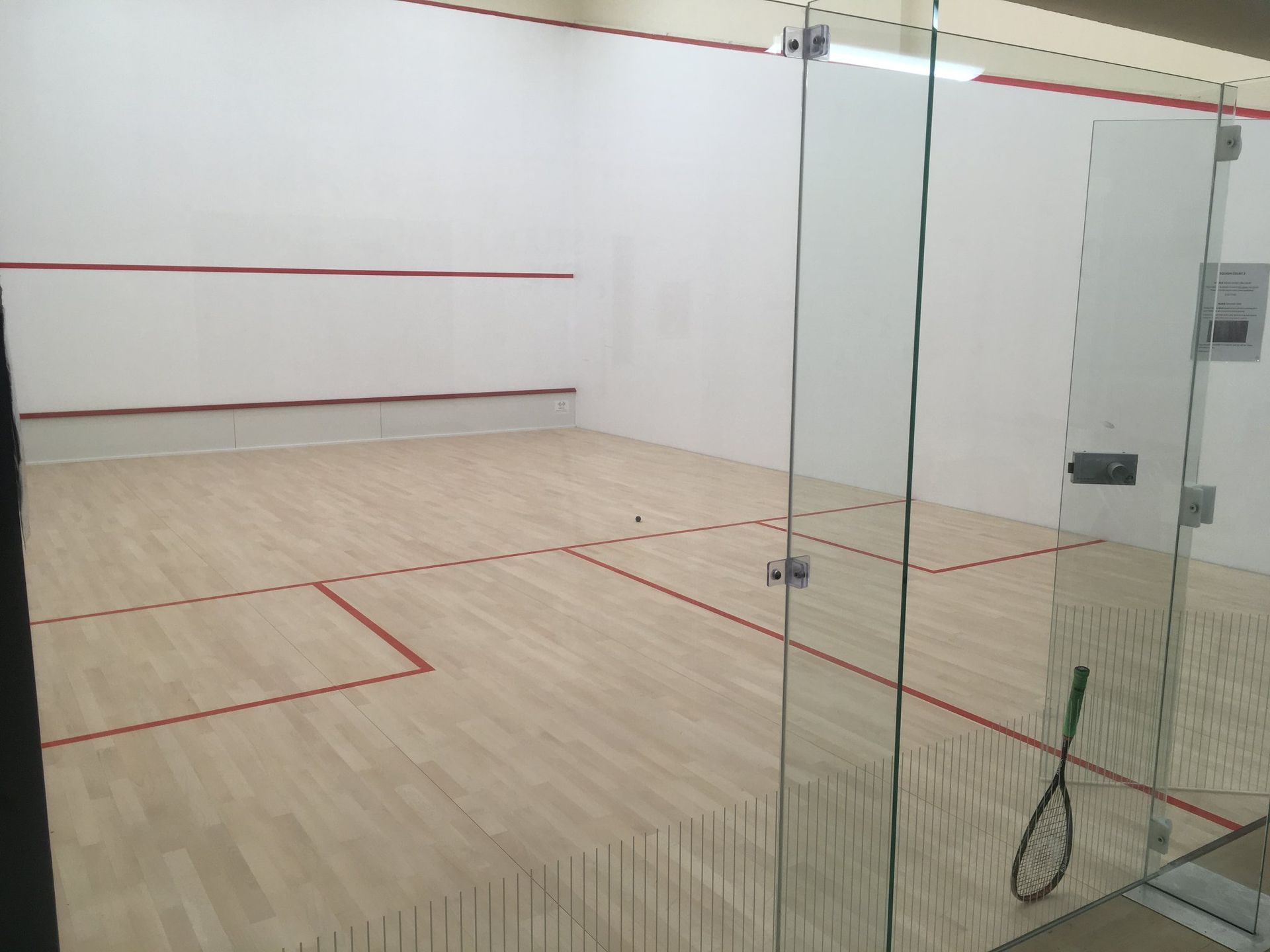
One of the most critical components of any squash court is the flooring, as it directly impacts the gameplay, the safety of athletes, and the court's aesthetics. There are two main types of flooring materials used in squash court construction: wood and synthetic surfaces.


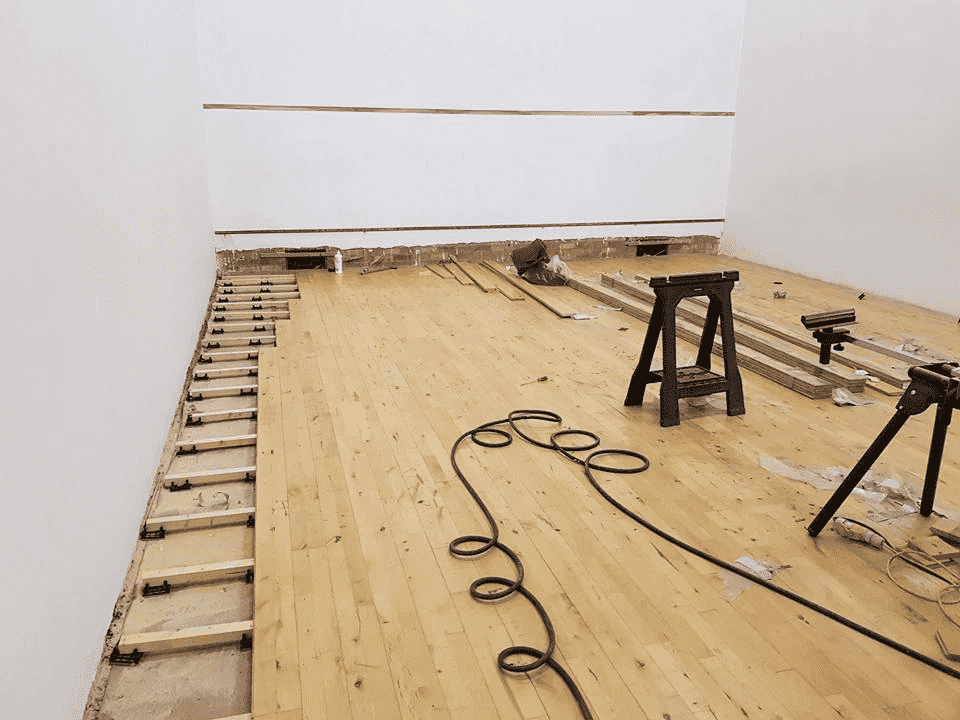
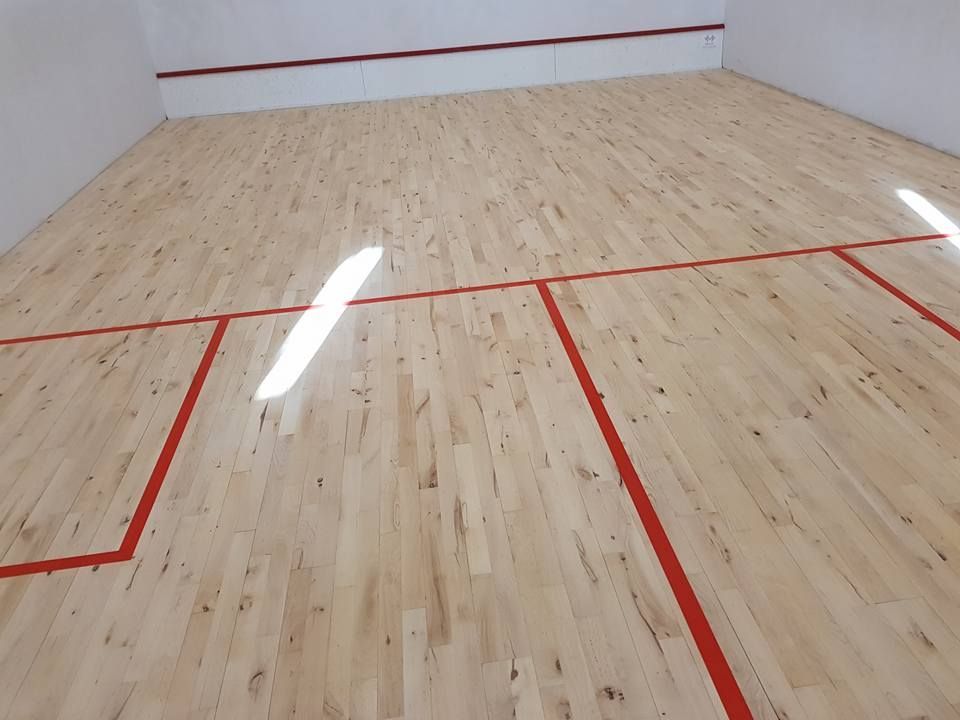
Wooden flooring is a traditional choice for squash courts and often favored for its classic appearance, durability, and performance. Typical wooden flooring options include maple, beech, and oak, each offering unique qualities such as varying degrees of hardness and shock absorption. A highly skilled builder, like Total Squash Court, will ensure that wooden flooring is installed with precision to provide a consistent bounce and a comfortable playing surface.


Synthetic flooring, on the other hand, offers increased resilience and is available in a wide range of colors. This type of flooring typically consists of a seamless, dense layer of polyurethane over a stable base. Synthetic surfaces provide excellent grip and shock absorption, which can reduce the risk of injury during play and enhance player performance.


2: Wall Materials for Squash Court Construction


Squash court walls need to withstand the impact of countless balls over time, making the choice of wall materials a crucial consideration for facility owners. The two primary types of squash court walls are plaster and panel walls.


Plaster walls are constructed using a cement and sand mixture, which is then finished with a smooth, hard, durable plaster coating. This type of wall is known for its excellent flatness and uniformity, ensuring consistent ball bounce and minimal deviations during play. Plaster walls require periodic maintenance, such as repainting or refinishing, to maintain their appearance and performance over time.


Panel walls, on the other hand, are a more modern option that offers similar performance levels with added benefits. These walls consist of specially designed panels made from materials such as medium-density fiberboard, high-density fiberboard, or composite materials. Panel walls provide excellent impact resistance and ball bounce consistency and require less maintenance compared to plaster counterparts. Additionally, panel walls offer flexibility in design and can incorporate insulation for energy efficiency or soundproofing.


3: Glass Features in Squash Courts


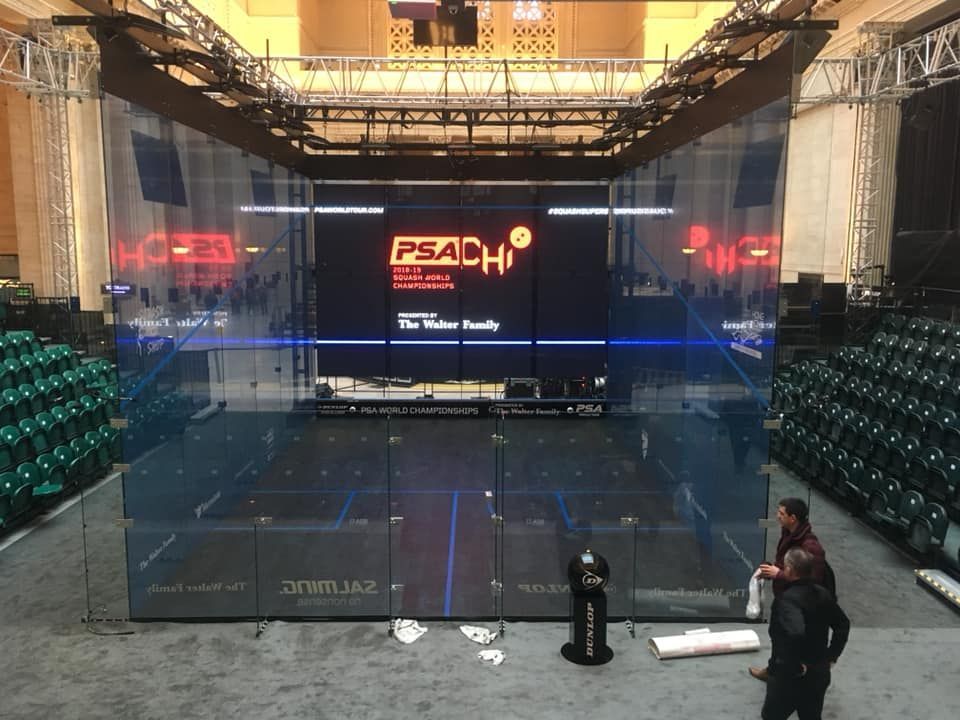
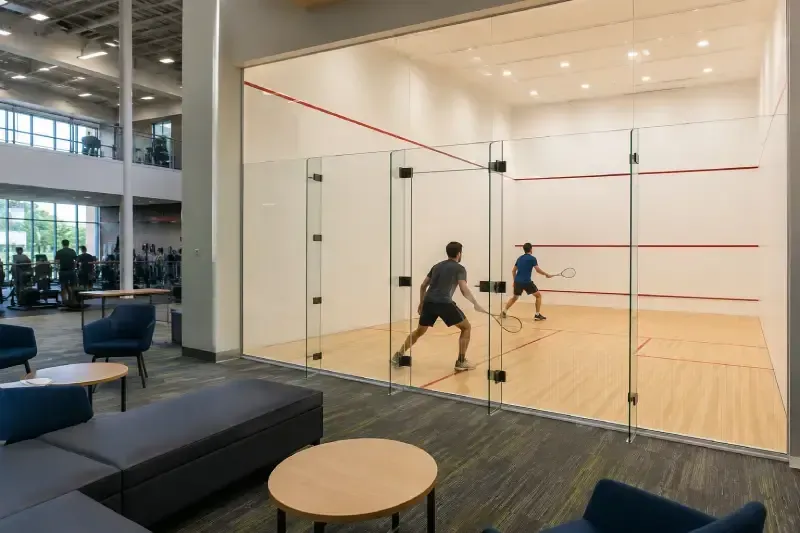
Glass plays a vital role in modern squash court construction, primarily for back walls or full-glass court designs. Glass features provide an enhanced spectator experience, allowing unobstructed views of the game while maintaining the required safety standards for players.


Tempered glass, in particular, is the material of choice due to its increased strength and resistance to impacts. Typically, squash court glass panels range from 1/2 inch to 3/4 inch in thickness, depending on the specific application and design preferences. It is critical to ensure that glass components are installed by experienced professionals like Total Squash Court, who have the knowledge and tools for safe and secure installation.


4: Paints and Finishes for Squash Court Surfaces


Paints and finishes play an essential role in the durability and aesthetics of squash court walls and floors. High-quality paint and finish products provide added protection to the surfaces, allowing the court to withstand the test of time, intense play, and countless ball impacts.


For walls, durable acrylic-based paints are commonly used, offering excellent adhesion to plaster or panel surfaces. These paints typically contain additives that prevent the growth of mildew and promote resistance to dirt, extending the life of your court's surfaces and reducing maintenance requirements.


Floors, on the other hand, require specific finish products designed for use on wood or synthetic surfaces. These finishes provide increased traction, scuff resistance, and protection from moisture and wear, ensuring optimum performance and safety during play.


Conclusion


The various materials used in
squash court construction are critical in determining the quality, durability, and overall performance of the court. Understanding each material's characteristics and their role in building a top-notch squash court will enable you to make informed decisions when working with a squash court builder like Total Squash Court. By combining the best materials available with expert construction and maintenance, you can ensure a world-class playing experience for athletes and a valuable investment for your sports facility.


Total Squash Court is dedicated to providing comprehensive solutions for designing, constructing, and maintaining high-quality squash courts that meet industry standards. With our expertise and commitment to using top-quality materials, you can trust us to create a squash court that stands the test of time and provides an exceptional playing experience for everyone who steps on its surface.
April 18, 2026
Discover the cost of building a squash court in the U.S., including materials, labor, design factors, and how to maximize long-term investment value.
April 10, 2026
This guide explores when renovation is necessary, the repair process, cost considerations, and best practices to extend the life of existing courts while maintaining professional standards.
By Carl Altura April 3, 2026
Learn how to maintain a squash court with expert tips on cleaning, repairs, and long-term care to ensure durability and consistent performance.
By Carl Altura March 27, 2026
Discover the best squash court flooring options, including materials, costs, and maintenance strategies to ensure durability and high-performance play.
By Carl Altura March 20, 2026
Learn the complete squash court construction process, from planning and design to installation, materials, and final inspection for long-lasting performance.
innovative squash court design ideas
March 6, 2026
Explore innovative squash court design ideas for residential and commercial spaces, including layouts, materials, and features for performance and durability.
February 24, 2026
Discover expert insights on squash court construction, design, costs, flooring, and maintenance to build high-performance, long-lasting courts.
By Carl Altura February 14, 2026
Squash is a fast and tough sport. Players run, stop, twist, and jump in seconds. All that action puts a lot of stress on the floor. That’s why squash courts need resilient flooring. Resilient flooring is strong. It can take impact and bounce back without damage. It also helps keep players safe and comfortable. In this article, you’ll learn what resilient flooring is, why it matters, and the best types for squash courts. What Is Resilient Flooring? Resilient flooring is a surface that is: Strong Flexible Shock-absorbing Long-lasting It does not crack or break easily. It can handle heavy use and still stay smooth and safe. For squash courts, this means: Good grip Safe movement Proper ball bounce Less strain on knees and ankles Why Resilient Flooring Is Important Squash is quick and intense. Players change direction fast. They lunge and sprint again and again. Without the right flooring, the court can become: Slippery Uneven Noisy Unsafe Good resilient flooring helps: Protect players from injury Improve game performance Reduce repair costs Keep the court in great shape for years Best Flooring Options for Squash Courts Here are the most common resilient flooring choices: 1. Engineered Hardwood with a Sprung Subfloor This is the top choice for professional courts. Engineered hardwood is stronger than solid wood. It handles heat and moisture better. When placed over a sprung subfloor (a shock-absorbing layer), it becomes even more resilient. Benefits: Great shock absorption Excellent ball bounce Long lifespan Beautiful finish This option costs more, but it offers the best performance. 2. Rubber Sports Flooring Rubber flooring is soft and flexible. It absorbs impact very well. It is best for: Training courts Schools Home setups Multi-use gyms Benefits: Comfortable for joints Slip-resistant Easy to clean Affordable It is not used in professional matches, but it works well for casual play. 3. Vinyl or PVC Sports Flooring Vinyl flooring is flexible and budget-friendly. Many types come with cushioned backing for extra comfort. It is good for light to moderate use courts. Benefits: Moisture-resistant Low maintenance Quick to install Cost-effective While it does not perform like hardwood, it is a solid choice for indoor facilities. Key Features to Look For When choosing squash court flooring, check for these features: Shock Absorption Reduces stress on joints. Good Grip Prevents slipping but allows smooth movement. Strong Surface Resists dents and cracks. Stable Material Handles changes in temperature and humidity. Easy Maintenance Stays in good shape with simple care. How to Choose the Right Flooring Think about these things before deciding: Type of Facility Professional courts: Choose engineered hardwood with a sprung subfloor. Schools or community centers: Rubber or vinyl works well. Home courts: Modular or cushioned systems are easy to install. Budget Hardwood costs more but lasts longer. Rubber and vinyl are more affordable and need less upkeep. Climate If your area has high humidity, choose materials that resist warping. Engineered products handle climate changes better. Simple Maintenance Tips Even strong floors need care. Follow these tips: Sweep daily to remove dust and dirt Use gentle, pH-neutral cleaners Recoat hardwood every 1–2 years Do not drag heavy equipment Keep indoor humidity stable With proper care, your squash court floor will stay safe and strong for many years. Final Thoughts Resilient flooring for squash courts is not just about strength. It is about safety, comfort, and performance. The right floor protects players. It improves the game. It also saves money on repairs over time. Whether you choose engineered hardwood, rubber, or vinyl, make sure resilience is your top priority. In squash, the floor takes every hit—so it must be ready to bounce back.
By Carl Altura February 6, 2026
Squash is a fast-paced, skill-driven sport that demands precision—not only from players, but from the court itself. Whether you’re installing a squash court in a residential community, gym, school, or commercial facility, the quality of construction and ongoing maintenance directly impacts player safety, performance, and long-term durability. This guide walks you through the essential elements of squash court construction, flooring, maintenance, and renovation, helping you understand what goes into creating a professional, long-lasting court. Understanding the Importance of Proper Squash Court Design Every successful squash court starts with thoughtful design. The layout, dimensions, materials, and environmental controls all influence how the court performs and how enjoyable it is for players. A poorly designed court can lead to uneven ball bounce, slippery flooring, and unnecessary wear over time. Professional squash court design ensures compliance with industry standards while allowing customization based on budget, usage, and location. Whether you’re building a single residential court or a multi-court commercial facility, design planning sets the foundation for success. Key design considerations include: Court dimensions and wall spacing Ceiling height and lighting placement Ventilation, air conditioning, and temperature control Player safety zones and glass wall options Squash Court Construction: Getting It Right from the Start Squash court construction requires precision, experience, and the right materials. From the subfloor to the walls and ceiling, every component must meet strict performance and durability standards. Cutting corners during construction can lead to costly repairs and shortened court lifespan. Professional builders handle each stage carefully, ensuring the structure is level, stable, and optimized for play. Using industry-approved materials also guarantees consistent ball rebound and player comfort. A standard squash court construction process includes: Site preparation and structural framing Installation of wall systems and impact-resistant surfaces Flooring installation and court line marking Lighting, doors, and finishing touches Choosing the Right Squash Court Flooring The floor is one of the most critical components of a squash court. High-quality squash court flooring provides the right balance of grip, shock absorption, and ball response. Most professional courts use hardwood flooring systems designed specifically for indoor sports. Over time, flooring can fade, lose traction, or develop surface damage. Proper installation and care help prevent premature wear while maintaining optimal playing conditions. Common squash court flooring benefits include: Enhanced player safety and reduced injury risk Consistent ball bounce and speed Long-lasting durability with proper maintenance Routine Squash Court Maintenance for Longevity Regular maintenance keeps a squash court safe, visually appealing, and playable year-round. Simple weekly care can significantly extend the life of the flooring and wall surfaces while preventing small issues from becoming major problems. Maintenance routines should be structured and consistent, especially in high-traffic facilities such as gyms and sports centers. Annual professional inspections are also recommended to identify wear before it affects play quality. Basic squash court maintenance includes: Weekly vacuuming and damp mopping of floors Wiping down walls, doors, and glass panels Monitoring line visibility and surface finish Annual deep cleaning and condition assessments When to Sand, Refinish, and Repaint Even with proper care, squash court floors will eventually lose their shine and traction. Sanding and refinishing restore the surface, improve grip, and extend the life of the flooring. Line repainting ensures the court remains regulation-compliant and visually clear for players. These services do not need to be done frequently, but timing them correctly prevents further damage. Professional refinishing brings the court back to like-new condition with minimal downtime. Signs it’s time for refinishing include: Dull or slippery floor surfaces Fading or barely visible court lines Minor surface scratches or uneven wear Renovating an Older Squash Court Renovation is a cost-effective alternative to full reconstruction when an existing squash court shows signs of age. Depending on the condition, renovations can range from simple cosmetic updates to structural repairs. Modern renovation techniques allow older courts to meet current play standards while improving aesthetics and durability. Most renovations can be completed quickly, minimizing disruption for players. Typical squash court renovation services include: Floor sanding and refinishing Repainting walls, ceilings, and lines Repairing wall panels or flooring damage Upgrading lighting or ventilation systems Professional Support Makes the Difference Working with experienced squash court professionals ensures every aspect of construction, maintenance, or renovation is handled correctly. From design consultation to final inspection, expert guidance helps avoid costly mistakes and ensures long-term satisfaction. Professional teams understand industry regulations, material performance, and efficient project timelines. They also tailor solutions based on whether the court is residential, commercial, or institutional. Benefits of professional squash court services include: Accurate cost estimates and project planning High-quality materials and craftsmanship Faster completion with minimal downtime Long-term performance and durability Building Courts That Stand the Test of Time A squash court is an investment in health, recreation, and community engagement. When designed, built, and maintained properly, it can serve players for decades with minimal issues. The key lies in professional execution and consistent care. Whether you’re building a brand-new squash court or restoring an existing one, focusing on quality at every stage ensures a safe, enjoyable, and professional playing experience. With the right approach, your squash court will remain a space players love returning to—game after game.