Explore the Different Types of Squash Courts: Materials, Designs, and Customization

Fabien Sarran • July 31, 2023

As the popularity of squash continues to grow, so too does the variety of court types, designs, and customization options available for enthusiasts of the sport. Whether you're a club owner looking to attract new members, an educational institution seeking to provide exceptional sporting facilities, or a private residence owner with a penchant for squash, understanding the different types of squash courts – and how to choose the right one for your specific needs – is integral to the overall success of your court project. 


With Total Squash Court, our mission is to guide you through the fascinating world of squash court designs, materials, and customization options, ensuring an informed decision-making process that results in the perfect court for your facility and players.


In this comprehensive article, we will journey through the myriad of squash court options available today, delving into the distinct characteristics, advantages, and considerations of each court type to provide a holistic view and empower you with the knowledge required to make the best choice for your project. 


From traditional court designs using time-tested materials such as plaster and hardwood to more innovative, visually stunning options featuring glass and cutting-edge synthetic materials, our detailed exploration will illuminate the rich tapestry of squash court possibilities, ultimately guiding you toward a court that not only meets your players' diverse requirements but also reflects your vision for excellence.


Are you ready to embark on a captivating quest to uncover the different types of squash courts available in today's thriving sporting landscape – unraveling the mysteries of materials, designs, and customizable elements – and ultimately transforming your court project into a resounding success? 


Join us, and together, let's delve into the fascinating world of squash court diversity, uncovering a treasure trove of insights that will catapult your court to new heights of aesthetic appeal, player satisfaction, and success. Let's get started!


What are the Different Types of Squash Courts? Materials, Designs, and Customization


Traditional Plaster Squash Courts


One of the most enduring types of squash courts is the traditional plaster court, which features walls constructed from plaster coated with a specialized finish, ensuring optimal texture and performance. Let's consider some key characteristics of plaster squash courts:


1. Tried-and-Tested: As the most common type of court found in many clubs and sporting facilities, traditional plaster courts offer a familiar playing environment that has withstood the test of time.

2. Optimal Surface: This type of court typically boasts a hard, even playing surface, providing excellent ball bounce, especially when combined with a quality hardwood or synthetic floor.

3. Maintenance: Plaster courts require periodic maintenance to ensure their longevity and performance. This may include resurfacing or repainting the walls and maintaining adequate ventilation to prevent moisture damage.


Panel Squash Courts


For those searching for a more modern and versatile squash court option, panel courts – constructed from pre-fabricated, modular system panels – are an excellent choice. Consider some key aspects of panel squash courts:


1. Quick Installation: Panel courts are significantly quicker to install than traditional plaster courts, making them an appealing option for facilities with limited downtime.

2. Easy Maintenance: Panel systems are designed for longevity and require minimal maintenance, although occasional cleaning and replacing damaged panels may be necessary.

3. Customization: Panel courts offer various customization options, with various panel materials, colors, and finishes available for a truly unique playing environment.


Glass Squash Courts


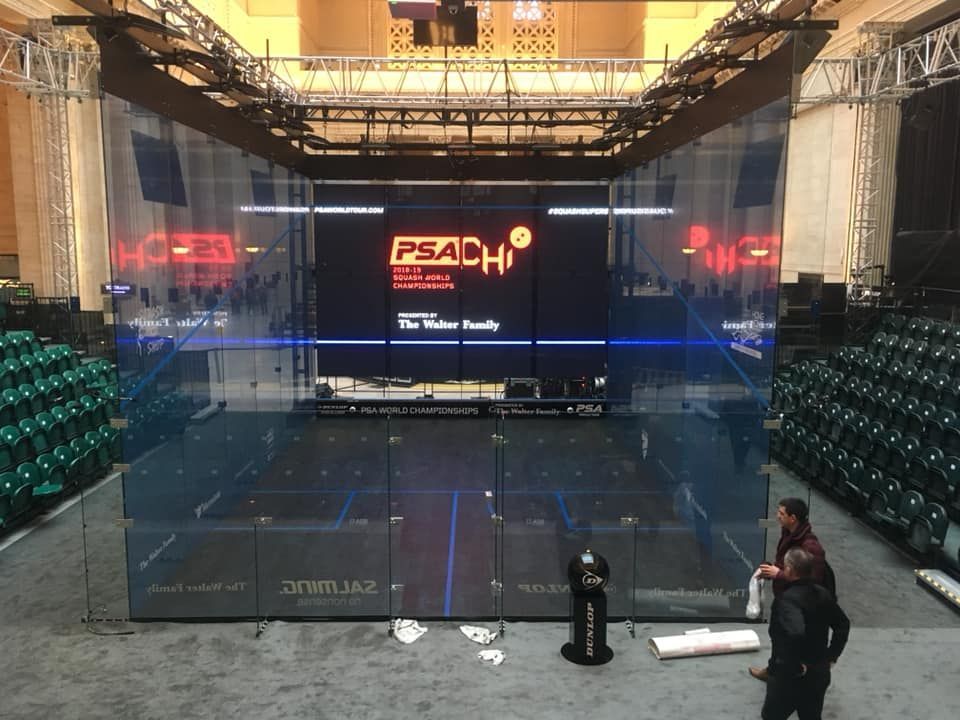
Look no further than the glass court for a visually stunning and spectator-friendly squash court. Constructed from layers of tempered glass, these striking courts deliver an unparalleled viewing experience. Delve into the distinctive features of glass squash courts:


1. Visibility: Glass courts offer exceptional visibility for spectators, thanks to their transparent back walls and, sometimes, side walls, making them a popular choice for professional tournaments and high-end clubs.

2. Material: The use of high-quality, tempered glass ensures the court's durability and safety. Glass courts also offer consistent ball bounce and can be combined with various flooring options for optimal performance.

3. Maintenance: Glass courts require careful cleaning and maintenance to keep their surfaces smudge-free. Additionally, the use of appropriate ball colors and markings is essential for visibility during gameplay.


Customized Squash Courts


For those with a flair for creativity and a desire to provide a truly unique playing experience, fully customized squash courts could be the perfect solution. Explore some key aspects of customized squash courts:


1. Material Combinations: Custom squash courts allow for a blend of different materials to meet your facility and players' specific needs and preferences. This can include combinations of plaster, panel, and glass walls alongside various flooring options.

2. Visual Appeal: Customized courts provide an opportunity to incorporate unique court colors, branding, and even artwork on the walls, enhancing the overall design and visual appeal of your court.

3. Custom Court Dimensions: While adhering to WSF standards for court dimensions is important, custom courts can accommodate minor adjustments without sacrificing gameplay quality.


Choosing the Perfect Squash Court for Your Facility


To determine the most suitable squash court for your facility or project, consider the following key factors:


1. Budget: Establish a well-defined budget, taking into account not only the initial cost of materials and installation but also long-term maintenance expenses.

2. Purpose: Consider the primary function of your squash court, whether it's for private use, club members, or professional tournament play, and choose a court type that aligns with this purpose.

3. Customization: Assess the extent to which you'd like to customize your court in terms of materials, colors, finishes, and features.

4. Professional Consultation: Consult with squash court construction experts, such as those at TotalSquashCourt.com, to obtain valuable guidance and input on the most appropriate court type for your specific needs.


Conclusion


Understanding the different types of squash courts available today, their distinctive characteristics and the factors that influence your choice can help you make an informed decision that caters to your facility's unique requirements. By assessing aspects such as budget, purpose, and customization preferences, you can create a squash court that not only meets the highest performance standards but also reflects your vision for excellence.


As a leading provider of comprehensive
squash court installation in the United States, Total Squash Court proudly offers expert advice, services, and materials to help you navigate the complex world of squash court design and construction. 


Working closely with our dedicated team, we can create a world-class playing environment tailor-made to suit your individual needs and preferences, ensuring an unforgettable player experience and a lasting legacy of sporting excellence. Inquire today!
By Carl Altura February 6, 2026
Squash is a fast-paced, skill-driven sport that demands precision—not only from players, but from the court itself. Whether you’re installing a squash court in a residential community, gym, school, or commercial facility, the quality of construction and ongoing maintenance directly impacts player safety, performance, and long-term durability. This guide walks you through the essential elements of squash court construction, flooring, maintenance, and renovation, helping you understand what goes into creating a professional, long-lasting court. Understanding the Importance of Proper Squash Court Design Every successful squash court starts with thoughtful design. The layout, dimensions, materials, and environmental controls all influence how the court performs and how enjoyable it is for players. A poorly designed court can lead to uneven ball bounce, slippery flooring, and unnecessary wear over time. Professional squash court design ensures compliance with industry standards while allowing customization based on budget, usage, and location. Whether you’re building a single residential court or a multi-court commercial facility, design planning sets the foundation for success. Key design considerations include: Court dimensions and wall spacing Ceiling height and lighting placement Ventilation, air conditioning, and temperature control Player safety zones and glass wall options Squash Court Construction: Getting It Right from the Start Squash court construction requires precision, experience, and the right materials. From the subfloor to the walls and ceiling, every component must meet strict performance and durability standards. Cutting corners during construction can lead to costly repairs and shortened court lifespan. Professional builders handle each stage carefully, ensuring the structure is level, stable, and optimized for play. Using industry-approved materials also guarantees consistent ball rebound and player comfort. A standard squash court construction process includes: Site preparation and structural framing Installation of wall systems and impact-resistant surfaces Flooring installation and court line marking Lighting, doors, and finishing touches Choosing the Right Squash Court Flooring The floor is one of the most critical components of a squash court. High-quality squash court flooring provides the right balance of grip, shock absorption, and ball response. Most professional courts use hardwood flooring systems designed specifically for indoor sports. Over time, flooring can fade, lose traction, or develop surface damage. Proper installation and care help prevent premature wear while maintaining optimal playing conditions. Common squash court flooring benefits include: Enhanced player safety and reduced injury risk Consistent ball bounce and speed Long-lasting durability with proper maintenance Routine Squash Court Maintenance for Longevity Regular maintenance keeps a squash court safe, visually appealing, and playable year-round. Simple weekly care can significantly extend the life of the flooring and wall surfaces while preventing small issues from becoming major problems. Maintenance routines should be structured and consistent, especially in high-traffic facilities such as gyms and sports centers. Annual professional inspections are also recommended to identify wear before it affects play quality. Basic squash court maintenance includes: Weekly vacuuming and damp mopping of floors Wiping down walls, doors, and glass panels Monitoring line visibility and surface finish Annual deep cleaning and condition assessments When to Sand, Refinish, and Repaint Even with proper care, squash court floors will eventually lose their shine and traction. Sanding and refinishing restore the surface, improve grip, and extend the life of the flooring. Line repainting ensures the court remains regulation-compliant and visually clear for players. These services do not need to be done frequently, but timing them correctly prevents further damage. Professional refinishing brings the court back to like-new condition with minimal downtime. Signs it’s time for refinishing include: Dull or slippery floor surfaces Fading or barely visible court lines Minor surface scratches or uneven wear Renovating an Older Squash Court Renovation is a cost-effective alternative to full reconstruction when an existing squash court shows signs of age. Depending on the condition, renovations can range from simple cosmetic updates to structural repairs. Modern renovation techniques allow older courts to meet current play standards while improving aesthetics and durability. Most renovations can be completed quickly, minimizing disruption for players. Typical squash court renovation services include: Floor sanding and refinishing Repainting walls, ceilings, and lines Repairing wall panels or flooring damage Upgrading lighting or ventilation systems Professional Support Makes the Difference Working with experienced squash court professionals ensures every aspect of construction, maintenance, or renovation is handled correctly. From design consultation to final inspection, expert guidance helps avoid costly mistakes and ensures long-term satisfaction. Professional teams understand industry regulations, material performance, and efficient project timelines. They also tailor solutions based on whether the court is residential, commercial, or institutional. Benefits of professional squash court services include: Accurate cost estimates and project planning High-quality materials and craftsmanship Faster completion with minimal downtime Long-term performance and durability Building Courts That Stand the Test of Time A squash court is an investment in health, recreation, and community engagement. When designed, built, and maintained properly, it can serve players for decades with minimal issues. The key lies in professional execution and consistent care. Whether you’re building a brand-new squash court or restoring an existing one, focusing on quality at every stage ensures a safe, enjoyable, and professional playing experience. With the right approach, your squash court will remain a space players love returning to—game after game.
By Fabien Sarran January 30, 2026
When it comes to building or renovating a squash court, the flooring is one of the most important decisions you'll make. Not only does it impact performance, but it also plays a key role in player safety and court longevity. In this comprehensive guide, we’ll break down everything you need to know about squash court flooring—from materials and installation to maintenance and cost. Whether you're a sports facility manager, school administrator, or a private court owner, this guide will help you choose the best flooring for squash courts that meets your specific needs. What Makes Squash Court Flooring Unique? Unlike traditional gym or indoor sports floors, squash court flooring must endure rapid movement, abrupt stops, and continuous impact. That’s why it's essential to use resilient, shock-absorbent, and non-slip materials. The ideal surface enhances grip, reduces injury risk, and maintains consistent bounce characteristics for the ball. Key qualities of resilient flooring for squash courts include: Shock absorption for joint protection Optimal traction for quick movements Surface hardness to support ball bounce Durability under high foot traffic How to Choose Squash Court Flooring Selecting the right flooring starts with understanding your goals. Ask yourself: Is the court for competition or recreational play? What’s the expected traffic level? Do you want an eco-friendly squash court flooring option? What’s your budget for installation and long-term maintenance? Your answers will guide your decision on materials, design, and installation methods. Durable Squash Court Flooring Materials The most common and durable squash court flooring materials include: 1. Solid Maple Wood Highly popular in professional courts, solid maple offers: Superior traction High impact resistance Excellent ball rebound However, it’s also one of the most expensive options and requires regular maintenance. 2. Engineered Hardwood A cost-effective alternative to solid wood, engineered hardwood consists of a hardwood veneer over layers of plywood. It offers: Stability in changing humidity A real-wood feel at a lower cost 3. Synthetic Sports Flooring Modern synthetic floors mimic wood properties while offering: Easier installation Lower maintenance Better resistance to moisture For facilities prioritizing eco-friendly squash court flooring , synthetic materials made from recycled content may be ideal. Indoor Squash Court Flooring Ideas If you're designing a new space, consider these indoor squash court flooring ideas : Modular Flooring Tiles – Easy to replace and ideal for multi-purpose courts. Color-Tinted Wood or Synthetic Surfaces – Adds branding and design aesthetics. Shock-Absorbing Underlayers – Increases comfort and extends floor life. Innovative ideas balance function and aesthetics while enhancing the court’s usability. Squash Court Flooring Installation Proper installation is critical to maximize floor performance and lifespan. Professional squash court flooring installation usually involves: Subfloor preparation: Ensuring level, dry, and clean conditions. Underlayment installation: Optional for added shock absorption. Flooring placement: Depending on material—nailed, glued, or interlocked. Finishing and line marking: Sealing the surface and painting boundary lines. DIY isn’t recommended unless you have experience with sports flooring systems. Errors can lead to uneven bounce and increased injury risk. Squash Court Flooring Cost The squash court flooring cost can vary significantly depending on the material and project complexity. Here’s a quick breakdown: Flooring Type Cost Range (per sq. ft.) Notes Solid Maple $12 – $18 Professional-grade, high maintenance Engineered Wood $8 – $12 Budget-friendly with good performance Synthetic Flooring $6 – $10 Durable and low maintenance Additional costs to consider: Installation: $3 – $6 per sq. ft. Line painting: $500 – $1,000 Maintenance tools or services Squash Court Flooring Maintenance Regular squash court flooring maintenance extends the life of your investment and keeps it safe for play. Key steps include: Daily Cleaning : Dust and sweat can cause slipperiness—use microfiber mops. Weekly Inspection : Check for wear, scratches, or moisture damage. Annual Resealing : For wood floors, reapply finish for grip and shine. Humidity Control : Keep indoor humidity stable to prevent floor expansion or contraction. Synthetic floors require less frequent maintenance but should still be inspected for wear and tear. Squash Court Flooring Repair Even the most durable flooring will eventually need fixing. Common squash court flooring repair issues include: Cracks or Gaps : Typically in wood floors—require sanding or board replacement. Surface Wear : Refinish wood floors or replace worn tiles in synthetic courts. Moisture Damage : May require subfloor treatment and sealing. Prompt repairs ensure player safety and prevent costly replacements later. Eco-Friendly Squash Court Flooring Options If sustainability is a priority, choose eco-friendly squash court flooring materials such as: Bamboo Flooring : A renewable resource that’s fast-growing and durable. Recycled Rubber Underlays : Provides excellent shock absorption and environmental benefits. VOC-Free Finishes : Safer for indoor air quality. Look for certifications like FSC (Forest Stewardship Council) or Greenguard to ensure your choices meet green standards. Conclusion: Choosing the Best Flooring for Squash Courts Choosing the right squash court flooring requires balancing performance, durability, cost, and environmental impact. Whether you're building a new facility or upgrading an old court, focus on materials that support high-speed movement, ensure safety, and reduce maintenance demands. In summary: Solid maple is the gold standard for performance. Engineered wood and synthetics offer versatility and savings. Proper installation and maintenance are key to longevity. Repair promptly to prevent major damage. Sustainable choices are available without compromising quality. Now that you have a solid understanding of squash court flooring, you’re ready to dive into the specifics. Check out our detailed guides on each of the following topics: Best Flooring for Squash Courts Squash Court Flooring Installation Squash Court Flooring Repair Eco-Friendly Squash Court Flooring Squash Court Flooring Cost
squash court
By Fabien Sarran November 13, 2023
Explore the standard squash court dimensions, industry regulations, and gameplay improvements with our in-depth guide to squash court design. Read on!
A squash court with a blue wall behind it
By Fabien Sarran November 6, 2023
Discover the ins and outs of squash court lighting, from the importance of proper illumination to various types and specifications, along with energy-saving tips.
court
By Fabien Sarran October 28, 2023
Explore the benefits and drawbacks of glass and traditional squash court structures to make an informed decision. Read on to know more!
Squash Court
By Fabien Sarran October 22, 2023
Discover valuable tips on how to maximize the lifespan of your squash court investment, with insights on selecting quality materials and employing proper maintenance practices.
Squash Court
By Fabien Sarran October 16, 2023
In this article, we discover the top maintenance practices that will keep your court in pristine condition. Continue reading on to learn more about this!
squash court
By Fabien Sarran October 6, 2023
Learn how to properly clean and maintain your squash court with this in-depth guide from Total Squash Court. Read on!
Squash Court
By Fabien Sarran October 2, 2023
A high-quality squash court is designed for longevity, but inevitably, wear and tear will take its toll on the playing surface. Continue reading to learn more!
building a squash court
By Fabien Sarran September 24, 2023
Explore essential steps and considerations for developing comprehensive squash court plans to ensure functionality, aesthetics, and adherence to industry standards with Total Squash Court's expertise.