The Essential Steps and Considerations When Designing Your Ideal Squash Court
A well-thought-out squash court plan is the first step towards building a high-quality squash facility that satisfies both player needs and conforms to industry standards. From layout and dimensions to flooring and illumination, numerous factors contribute to a successful squash court design. As a leading provider of comprehensive squash court solutions in the United States, Total Squash Court is dedicated to helping you create the perfect blueprint for your facility.
In this article, we will discuss essential elements and considerations for squash court planning, including design standards, materials, layout, and lighting, among other factors. By following these guidelines and leveraging the expertise of Total Squash Court, you can ensure your court plan balances functionality, aesthetics, and compliance with industry specifications, ultimately leading to a top-tier squash facility.
Understand & Follow Industry Standards
A successful squash court plan begins with a firm understanding of the specifications and guidelines established by the World Squash Federation (WSF) and other industry authorities. These standards cover aspects like court dimensions, wall and floor construction, and lighting requirements, providing a solid foundation upon which to design your court. Familiarizing yourself with the WSF's Squash Court Specifications Manual is a crucial step in creating a court plan that adheres to industry benchmarks.
Determine Court Dimensions & Layout
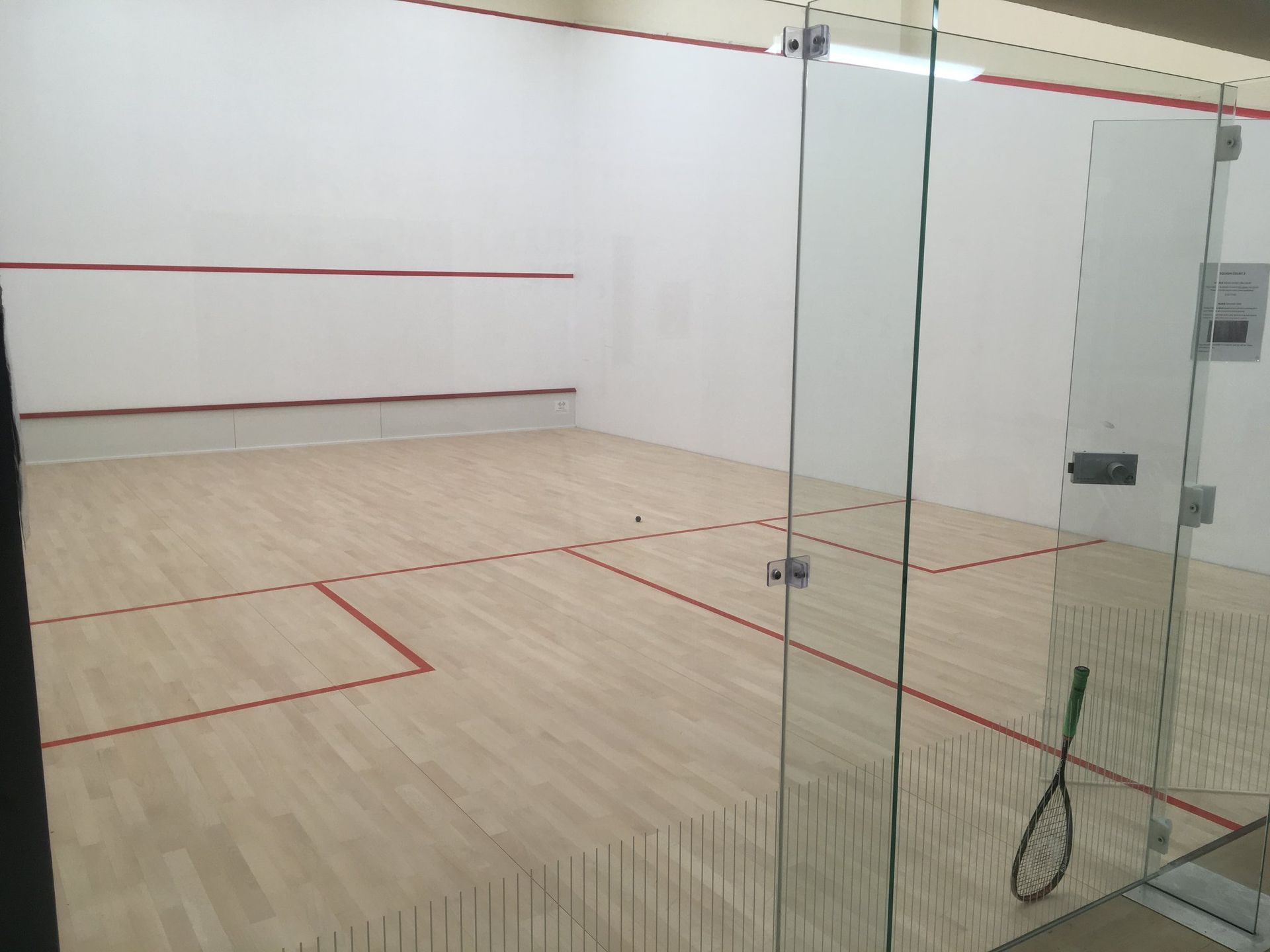
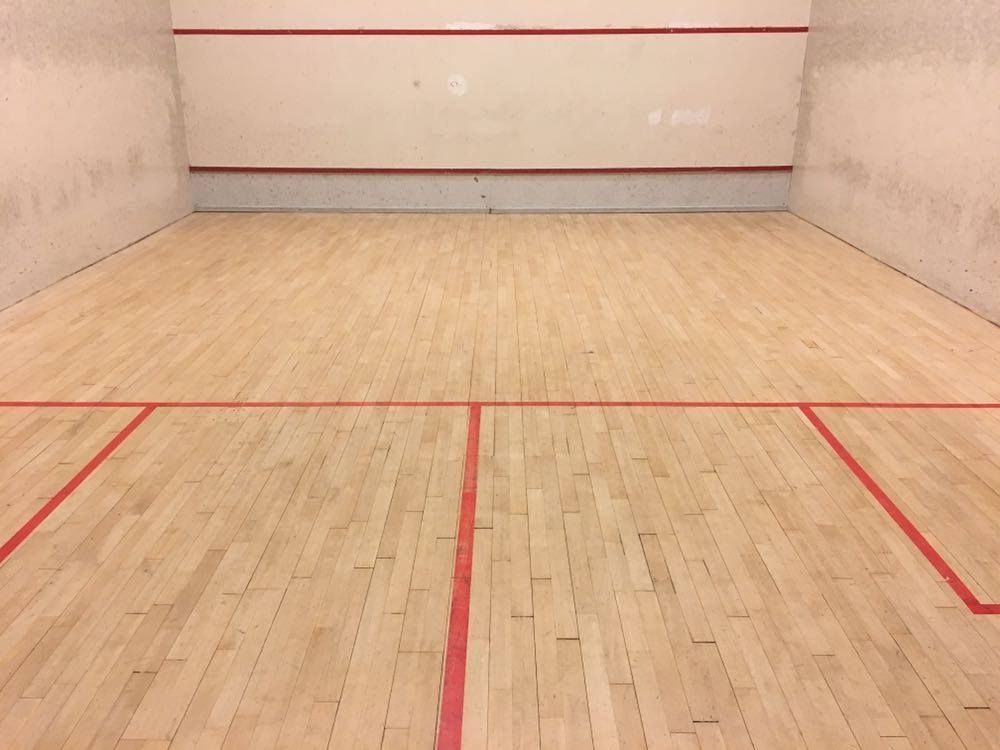
When planning your squash court, it's essential to decide on the dimensions and layout of the court and surrounding areas. The WSF recommends the following court measurements:
- Length: 975cm (32 feet)
- Width: 640cm (21 feet)
- Height: A minimum of 564cm (18.5 feet) above the floor
Ensure your plan includes space for players' seating, safe access points, and sufficient room for spectators if applicable. Additionally, consider any required storage areas or ancillary facilities, such as restrooms and changing rooms.
Choose Suitable Flooring Materials
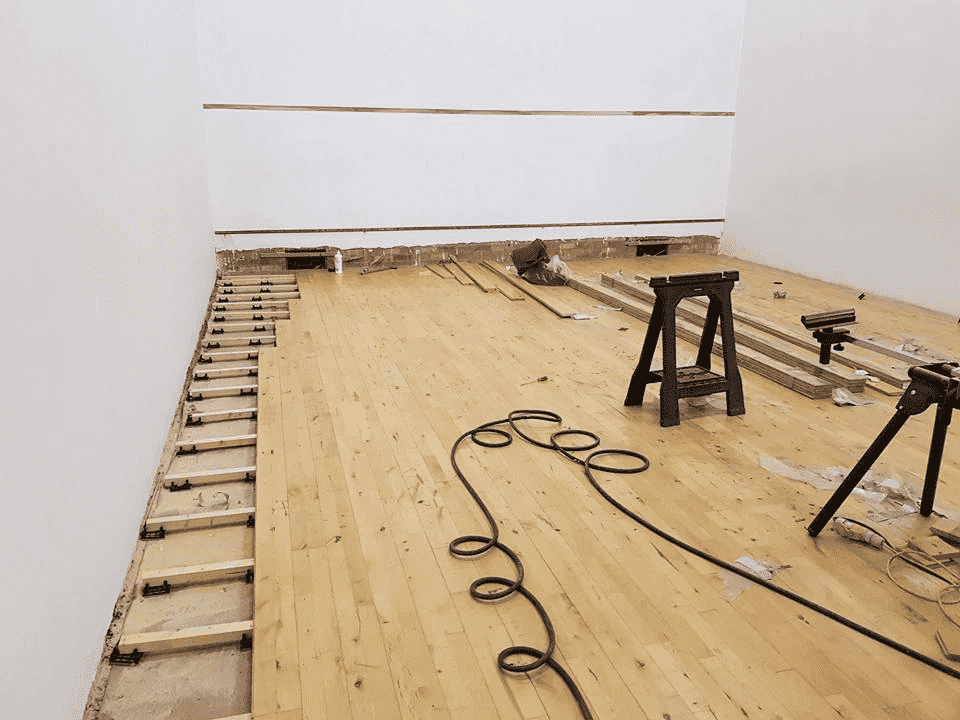
Selecting the right flooring material is crucial for ensuring player safety and comfort during gameplay. The floor must provide adequate grip and shock absorption to minimize the risk of injury, enhance performance, and meet industry standards. Popular flooring options include:
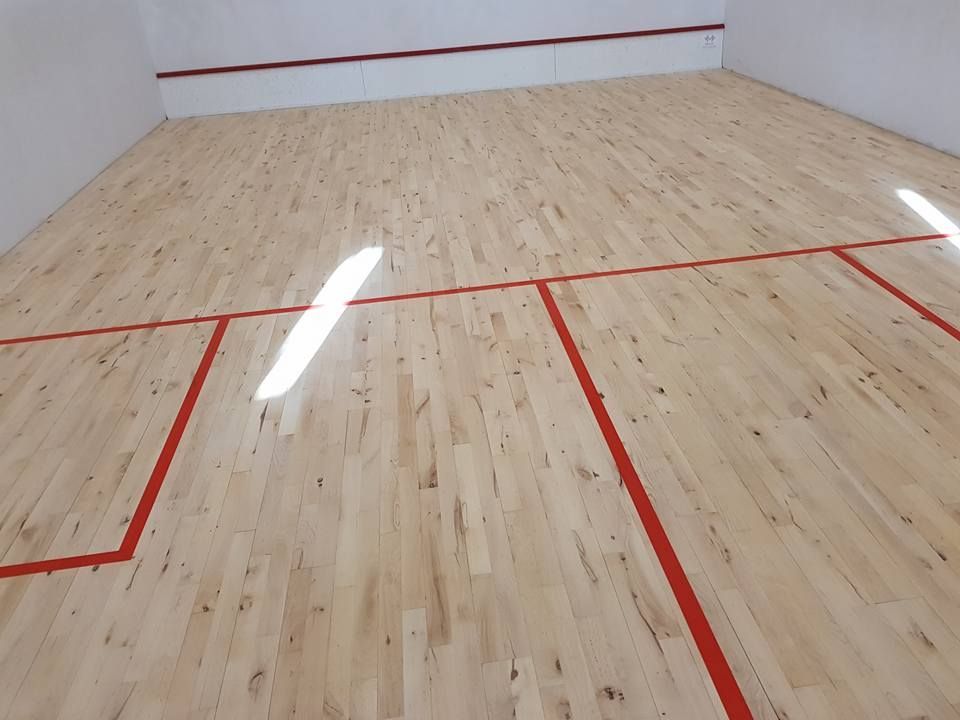
- Hardwood: High-quality maple or oak wood flooring offers excellent traction and shock absorption, ideal for competitive play. However, it may necessitate regular refinishing and maintenance to maintain optimal performance.
- Synthetic Flooring: This option consists of polyurethane, vinyl, or rubber materials, offering a durable and low-maintenance alternative. Synthetic flooring delivers excellent shock absorption, grip, and uniform ball bounce.
- Multi-Layer Systems: These flooring systems combine several materials such as foam or rubber layers beneath either hardwood or synthetic flooring. Multi-layer systems enhance shock absorption and reduce stress on joints, making them a popular choice for competitive facilities.
Plan Court Walls & Surrounds
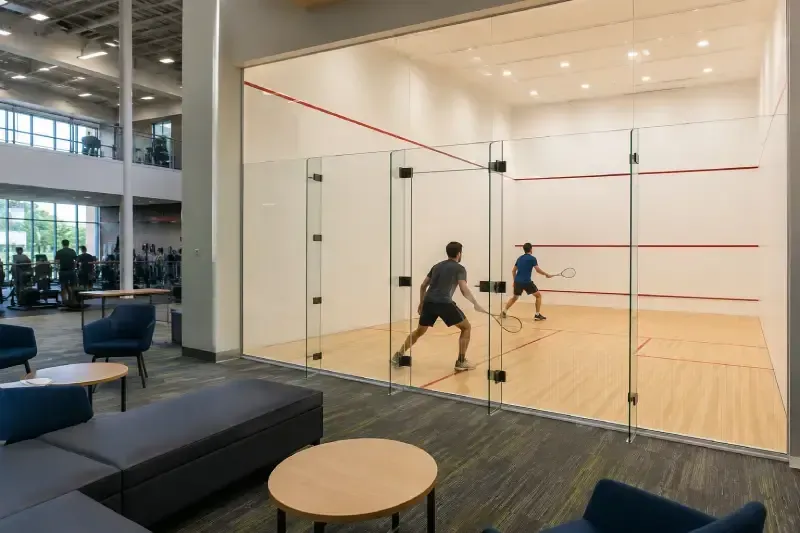
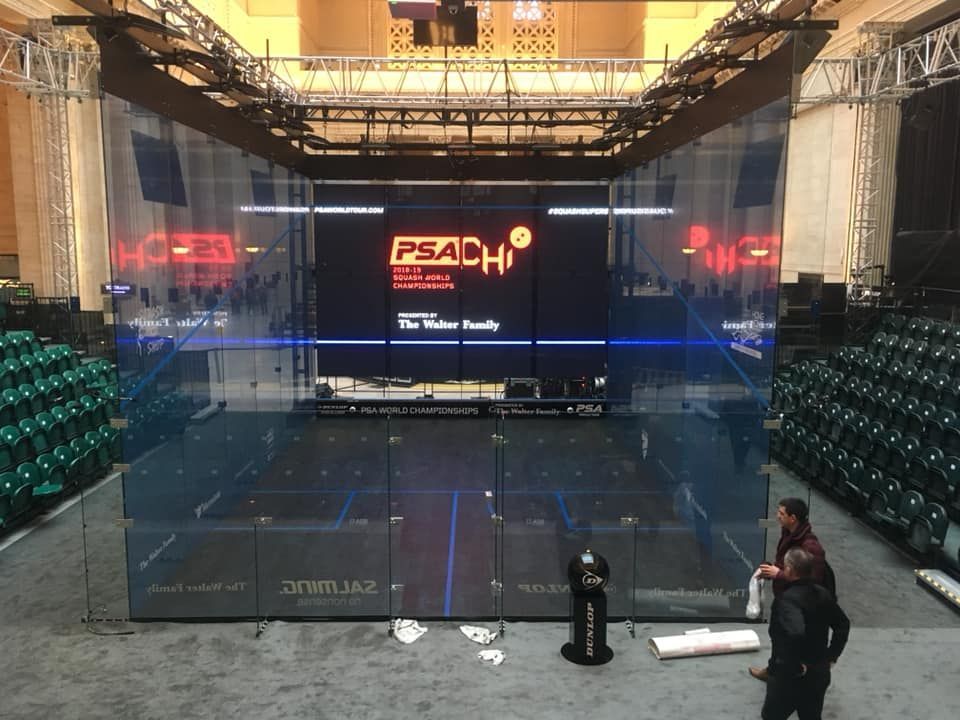
Your squash court plans should address the construction method and material choice for the court walls. Traditional solid walls typically consist of plaster or cement, while glass walls are gaining popularity due to their ability to enhance viewing capabilities for spectators. Key considerations include:
- Solid Walls: These walls should be made of dense and durable materials to ensure uniform ball bounce. Ensure your plan details the finish, thickness, and surface treatment to meet industry standards.
- Glass Walls: If incorporating glass walls into your design, choose materials that meet safety specifications, such as tempered or laminated glass. The glass walls must also receive treatment to reduce glare and enhance visibility for players.
Design Optimal Lighting Solutions
To provide an optimal playing environment, your squash court plan should include a well-designed lighting solution. The ideal lighting system will minimize glare, shadows, and variations in brightness, providing a comfortable and safe playing experience. Consider the following lighting specifications:
- Luminance: The WSF recommends average illumination levels between 300-500 lux for general-purpose squash courts. More competitive courts may require up to 750 lux. Effective lighting plans balance overall illuminance with reduced glare and uniform distribution.
- Positioning: To prevent unsightly shadows and potential interference with gameplay, lighting fixtures should be placed strategically around the court's perimeter. Recessed or surface-mounted fixtures positioned high on the walls are preferred choices.
- Fixture Types: LED lights offer energy efficiency and longevity compared to traditional incandescent or fluorescent bulbs. Select fixtures with a high color rendering index (CRI) for accurate color representation and improved visibility.
Incorporate Acoustic Solutions
Sound management is often overlooked during squash court planning, yet proper acoustics can have a significant impact on player comfort and performance. Including measures to reduce echo and reverberation can enhance the overall playing experience. Consider these acoustic solutions in your court plan:
- Wall Treatments: Incorporating acoustic panels or absorption materials into your wall design can help mitigate unwanted noise and reverberation.
- Ceiling Baffles: These are suspended structures that absorb and diffuse sound, reducing echo and improving overall acoustics.
- Flooring: Certain flooring materials, such as rubber and cork, provide natural sound absorption qualities, aiding in noise reduction.
By addressing these critical elements of industry standards, court dimensions, flooring materials, wall construction, lighting design, and acoustics in your squash court plan, you will create the foundation for a top-quality facility that benefits players and spectators alike. Partnering with an experienced squash court provider like Total Squash Court can ensure your court plan meets these essential considerations, leading to a successful, appealing, and high-performing squash court.
Conclusion
Developing a comprehensive squash court plan involves careful consideration of industry standards, court dimensions, layout, materials, lighting, and acoustics. By successfully addressing these components during the planning phase, you'll be well on your way to creating a top-tier squash facility that delivers an exceptional playing experience for all. Total Squash Court is your partner in navigating these critical aspects of squash court planning, ensuring your vision comes to life.
If you're looking to embark on constructing or renovating a squash court, look no further than a reliable
squash court builder–Total Squash Court. Our team's dedication to excellence enables us to provide unrivaled support and services throughout the entire process. Discover how we can turn your squash court plan. Contact us today to schedule a consultation!